Bringing the vibrant energy of a professional teppanyaki kitchen into your home is easier than you might think. Mastering the delicate art of preparing Ora King Salmon cooked Fujioka style allows you to transform a simple dinner into a theatrical and flavorful experience.
This guide provides the essential steps to achieve restaurant-quality results that will impress your guests during any special occasion. By focusing on precision and respect for premium ingredients, you can elevate your culinary skills to a new level.
We will walk you through the specific techniques required to handle high-quality fish with confidence. Whether you are a novice or a seasoned home chef, these professional methods ensure your meal is both delicious and visually stunning.
Key Takeaways
- Learn the professional techniques for high-heat searing.
- Discover how to handle premium fish with precision.
- Create a restaurant-quality dining experience at home.
- Master the balance of flavors and textures.
- Impress your guests with theatrical presentation skills.
Understanding the Unique Qualities of Ora King Salmon
The secret to a truly memorable meal often begins with the specific quality of the fish you select. Ora King Salmon is widely celebrated for its rich, buttery flavor and stunning coral coloring, making it a favorite among culinary enthusiasts.
Why Ora King is the Gold Standard for Sushi-Grade Salmon
This premium fish is often regarded as the gold standard for sushi-grade salmon due to its exceptional marbling. The high omega-3 content provides a melt-in-your-mouth texture that is difficult to replicate with other varieties.
When you choose this specific breed, you are investing in a product that has been raised with strict attention to detail. This consistency is exactly why professional chefs rely on it for their most delicate fresh seafood dishes.
The Importance of Sourcing Fresh Seafood for Traditional Dishes
Sourcing plays a vital role in the final outcome of your cooking. When you prioritize high-quality, sustainably sourced fish, you ensure that the natural integrity of the ingredient remains intact.
Using fresh seafood dishes as a foundation for your home menu allows you to meet the high standards found in professional Japanese kitchens. By selecting the finest sushi-grade salmon, you guarantee that every bite delivers the authentic taste and texture you desire.
Essential Tools and Equipment for the Fujioka Method
Achieving restaurant-quality results at home requires specific, high-performance culinary tools. When you work with delicate proteins like sushi-grade salmon, the right gear acts as an extension of your own hands. Investing in quality equipment is a foundational step that will significantly improve your overall cooking performance and consistency.
Selecting the Right Knife for Precision Slicing
The heart of the Fujioka method lies in the clean, precise cuts that preserve the integrity of the fish. You should prioritize a high-carbon steel gyuto or a traditional yanagiba knife. These blades offer the sharpness needed to glide through the flesh without tearing the delicate fibers.
A dull knife will crush the cells of the fish, leading to a loss of texture and moisture. Always keep your blade honed and polished to ensure every slice is smooth and professional. A sharp knife is not just a luxury; it is a safety necessity in any serious kitchen.
Temperature Control and Heat Management Tools
Proper heat management allows you to maintain the consistent temperatures required for high-quality seafood. Using a heavy-bottomed stainless steel or cast-iron pan helps distribute heat evenly across the surface. This prevents hot spots that could ruin the texture of your sushi-grade salmon.
Additionally, a reliable digital instant-read thermometer is an essential companion for this technique. It allows you to monitor the internal temperature with precision, ensuring the fish remains moist and tender. By controlling the heat, you achieve the perfect sear while keeping the interior succulent.
| Tool Category | Recommended Type | Primary Benefit |
|---|---|---|
| Slicing Knife | Yanagiba or Gyuto | Precision cuts for sushi-grade salmon |
| Cooking Surface | Heavy-bottomed Pan | Even heat distribution |
| Monitoring | Digital Thermometer | Ensures perfect internal texture |
| Maintenance | Whetstone | Maintains razor-sharp edges |
Preparing Your Workspace for Authentic Japanese Cuisine
A well-organized kitchen is the secret weapon behind every successful chef preparing fresh seafood dishes. When you approach the art of Japanese cuisine, the environment you create is just as important as the ingredients themselves. By setting up your station correctly, you mimic the professional atmosphere of a high-end restaurant, which is vital for achieving the best possible results.
Sanitation Standards for Handling Raw and Cooked Fish
Maintaining strict sanitation standards is non-negotiable when working with premium ingredients. You must ensure that your workspace remains pristine to prevent cross-contamination between raw fish and other components. Always use separate cutting boards and knives to keep your preparation area safe and hygienic.
Clean your surfaces thoroughly before and after every step of the process. This simple habit protects the integrity of your fresh seafood dishes and gives you peace of mind. A clean station allows you to focus entirely on the delicate flavors you are about to create.
Organizing Your Mise en Place for a Seamless Cooking Experience
The French term mise en place, meaning “everything in its place,” is a cornerstone of efficient cooking. Before you turn on the heat, gather all your seasonings, aromatics, and tools within arm’s reach. This level of preparation prevents unnecessary stress and helps you maintain perfect timing throughout the cooking process.
When your ingredients are pre-measured and ready to go, you can move through the steps of Japanese cuisine with confidence and grace. This organized approach transforms your kitchen into a professional culinary space. You will find that a seamless workflow leads to a much more enjoyable and rewarding cooking experience.
Mastering the Ora King Salmon cooked Fujioka style Technique
Mastering the Fujioka style of cooking salmon transforms a simple fillet into a culinary masterpiece. This approach focuses on intentionality, where every movement in the kitchen serves a specific purpose to enhance the final texture and flavor of the fish.
The Philosophy Behind the Fujioka Style
At its core, this method emphasizes the importance of uniform heat distribution. By cutting proteins into consistent, even pieces, you ensure that the salmon cooks at the same rate throughout. This is a hallmark of the Ora King Salmon cooked Fujioka style, as it prevents the edges from drying out while the center remains perfectly succulent.
Step-by-Step Preparation of the Salmon Fillet
Proper preparation is the foundation of the best salmon recipes. Before you begin, ensure your workspace is clean and your tools are sharp. You can find additional perfect Ora King Salmon fillet cooking to help guide your initial handling of the fish.
Removing Pin Bones and Skinning Techniques
Start by running your fingers along the center line of the fillet to locate any remaining pin bones. Use high-quality fish tweezers to pull them out in the direction they grow to avoid tearing the delicate flesh. When skinning, keep your knife blade angled slightly downward against the skin to minimize waste and maintain the integrity of the fillet.
Achieving the Perfect Slice Thickness
Consistency is the secret to professional results. Aim for uniform slices that allow for even seasoning and rapid, controlled cooking. Use a long, smooth motion with your knife rather than a sawing action to keep the edges clean and attractive.
| Preparation Step | Primary Goal | Key Tool |
|---|---|---|
| Pin Bone Removal | Texture refinement | Fish Tweezers |
| Skinning | Waste reduction | Flexible Fillet Knife |
| Uniform Slicing | Even heat absorption | Sujihiki or Chef Knife |
Selecting Complementary Ingredients and Aromatics
The secret to truly flavorful seafood cooking lies in the careful selection of your pantry staples. When working with a premium ingredient like Ora King Salmon, you want to enhance its natural richness rather than mask it. Choosing the right components is essential for creating some of the best salmon recipes you will ever serve at home.
Choosing the Best Soy Sauce and Mirin Varieties
For an authentic experience, look for traditionally brewed soy sauce. These varieties offer a deeper, more complex umami profile compared to mass-produced alternatives. A high-quality tamari or a premium Japanese shoyu will provide the perfect salty backbone for your dish.
Mirin acts as the perfect counterpoint to the saltiness of the soy sauce. It adds a subtle, elegant sweetness that glazes the fish beautifully. When shopping, prioritize hon-mirin, which contains a higher rice content and a more refined flavor profile than standard mirin-style seasonings.
The Role of Fresh Ginger and Wasabi in Flavor Balancing
Fresh aromatics are the key to cutting through the natural fat of the salmon. Using freshly grated ginger provides a sharp, clean heat that awakens the palate. It is a vital component in maintaining a balanced, vibrant dish.
Wasabi serves a similar purpose by adding a pungent, sinus-clearing brightness. To ensure the best results, consider these tips for your preparation:
- Always grate fresh ginger right before serving to preserve its volatile oils and potency.
- Use real wasabi root if available, as it offers a much cleaner heat than processed powders.
- Balance your ratios carefully; the goal is to complement the fish, not overwhelm its delicate texture.
By focusing on these high-quality ingredients, you ensure that your flavorful seafood cooking remains consistent and professional. These small details are what separate a standard meal from a truly memorable culinary experience.
The Art of Temperature Control During Cooking
Temperature control serves as the foundation for all flavorful seafood cooking. When you master the balance between heat and timing, you ensure that your salmon remains moist, flaky, and delicious every single time you step into the kitchen. Before you begin, remember that choosing premium ingredients is the first step toward achieving professional results.
Managing Heat to Preserve the Delicate Texture
High heat is essential for creating a beautiful, golden-brown sear that locks in natural juices. By using a quick, intense burst of heat, you protect the delicate structure of the fish from drying out during the process. Precision is your best friend when working with such a high-quality protein.
To maintain the perfect texture, consider these essential heat management tips:
- Ensure your pan is properly preheated before adding the salmon.
- Use a high-smoke point oil to prevent burning during the searing process.
- Avoid overcrowding the pan, as this lowers the temperature and causes the fish to steam rather than sear.
“The difference between a home-cooked meal and a masterpiece often lies in the cook’s ability to respect the heat.”
Recognizing the Visual Cues of Perfectly Cooked Salmon
Learning to identify the visual indicators of doneness is a skill that separates home cooks from true seafood restaurant specialties. You should look for a transition in the color of the flesh from translucent to opaque as the heat penetrates the fillet. When the edges begin to flake easily under gentle pressure, your salmon is likely ready to be removed from the heat.
Keep a close eye on the sides of the fillet to monitor the cooking progress. Patience is vital, as pulling the fish off the heat just a moment early allows for carry-over cooking, which ensures the center stays tender. Mastering these visual cues will consistently yield results that rival the finest seafood restaurant specialties found in top-tier dining establishments.
Flavor Infusion and Seasoning Strategies
When preparing high-quality fish, the goal is to enhance its natural essence rather than mask it. Professional chefs understand that the secret to seafood restaurant specialties lies in the subtle layering of ingredients. By focusing on harmony, you can elevate a simple fillet into a gourmet masterpiece.
Balancing Umami and Acidity in Your Marinade
The foundation of a great marinade is the interplay between savory depth and bright acidity. Umami-rich components like high-quality soy sauce provide a salty backbone, while mirin adds a gentle, rounded sweetness. To cut through the richness of the salmon, a splash of citrus or rice vinegar is essential.
If you are looking for inspiration, you might explore the best sushi restaurant in LA serving top-quality to see how they balance these profiles. Precision is key when mixing these elements. You want the marinade to complement the fish, not overwhelm its delicate, buttery texture.
“The most sophisticated flavors are often the result of restraint, allowing the primary ingredient to speak for itself.”
Applying Seasonings Without Overpowering the Natural Flavor
When you prepare fish cooked in traditional style, the quality of the protein remains the star of the show. Avoid heavy-handed applications of salt or spice that can draw out too much moisture. Instead, apply your seasonings in light, deliberate layers to build complexity gradually.
Consider using fresh aromatics like ginger or wasabi to provide a clean, sharp finish. These ingredients wake up the palate without hiding the salmon’s natural sweetness. By practicing this disciplined approach, you ensure that every bite is balanced, satisfying, and reflective of true culinary craftsmanship.
Plating and Presentation for a Restaurant-Quality Finish
When you serve fish cooked in traditional style, the presentation is just as vital as the flavor profile. The final arrangement turns a simple meal into a memorable dining event that delights the eyes before the first bite. By focusing on these details, you can easily recreate the excitement of professional tableside theater in your own home.
Arranging the Salmon for Visual Appeal
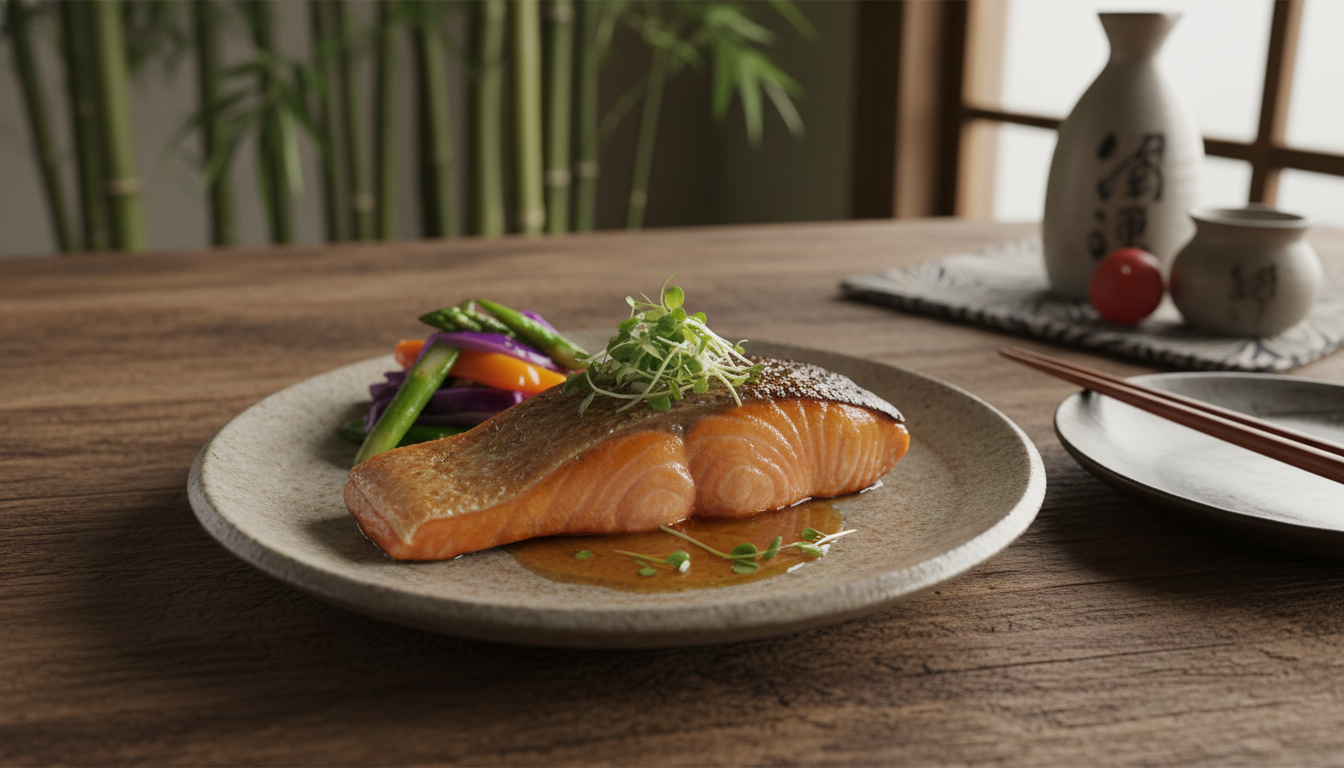
Start by selecting a plate that provides a clean, neutral background to let the vibrant colors of the salmon shine. Place the fillet slightly off-center to create a sense of dynamic movement on the plate. This technique is a hallmark of many top seafood dishes found in high-end Japanese restaurants.
Consider the height and depth of your arrangement to make the dish feel substantial. A gentle tilt or a slight overlap with your side accompaniments adds a professional touch. Remember that the sizzle and aroma of the fish often serve as the opening act for this visual display.
Adding Garnishes That Enhance the Fujioka Aesthetic
Thoughtful garnishes are the secret to elevating your meal into one of the top seafood dishes that captures the unique Fujioka aesthetic. Use fresh, finely sliced aromatics like ginger or scallions to provide a sharp contrast to the rich, buttery texture of the Ora King Salmon. These elements add both a pop of color and a necessary brightness to the palate.
Precision is key when applying these final touches. A light dusting of toasted sesame seeds or a small, deliberate placement of fresh wasabi can transform the entire look of the plate. By carefully balancing these components, you ensure that your fish cooked in traditional style looks as refined as it tastes.
Pairing Your Salmon with Traditional Side Dishes
Authentic Japanese cuisine relies on the harmony between your protein and the surrounding textures. When you prepare a high-quality fillet, the goal is to enhance the natural oils of the fish without masking its delicate profile. A well-curated menu creates a balanced experience that lingers on the palate.
Selecting the Right Rice and Vegetable Accompaniments
Start with a foundation of premium short-grain rice, which provides a subtle sweetness that pairs beautifully with savory salmon. You might consider adding a side of steamed bok choy or lightly pickled cucumbers to introduce a refreshing crunch. These seasonal vegetables act as a palate cleanser, ensuring that every bite of your salmon feels as fresh as the first.
Incorporating traditional elements like miso-glazed eggplant or blanched spinach with sesame dressing adds depth to your meal. These choices are often found in top seafood dishes served at world-class restaurants. By focusing on simple, high-quality ingredients, you maintain the integrity of the meal while providing a satisfying variety of textures.
Beverage Pairings to Elevate the Dining Experience
The right drink can bridge the gap between the richness of the fish and the acidity of your seasonings. A crisp, dry Junmai sake is a classic choice that complements the umami notes of the salmon perfectly. If you prefer non-alcoholic options, a high-grade Sencha green tea offers a grassy, clean finish that cuts through the fattiness of the fish.
For those who enjoy wine, a light-bodied Pinot Noir or a dry Riesling can provide a sophisticated contrast. These beverages help elevate your home cooking, making your dinner feel like one of the top seafood dishes found in a professional kitchen. Use the following guide to ensure your pairings are always balanced and intentional.
| Component | Recommended Pairing | Flavor Profile |
|---|---|---|
| Starch | Steamed Koshihikari Rice | Sweet and Neutral |
| Vegetable | Pickled Cucumber (Sunomono) | Acidic and Crisp |
| Beverage | Junmai Sake | Dry and Umami |
| Alternative | Sencha Green Tea | Earthy and Refreshing |
Common Mistakes to Avoid When Cooking Premium Salmon
Even the most skilled home chefs can occasionally struggle when preparing top seafood dishes. Because premium salmon is a delicate ingredient, small errors in timing or heat management can significantly alter the final result. By learning to identify these common pitfalls early, you can ensure your meals remain consistent and delicious.
Preventing Overcooking and Texture Loss
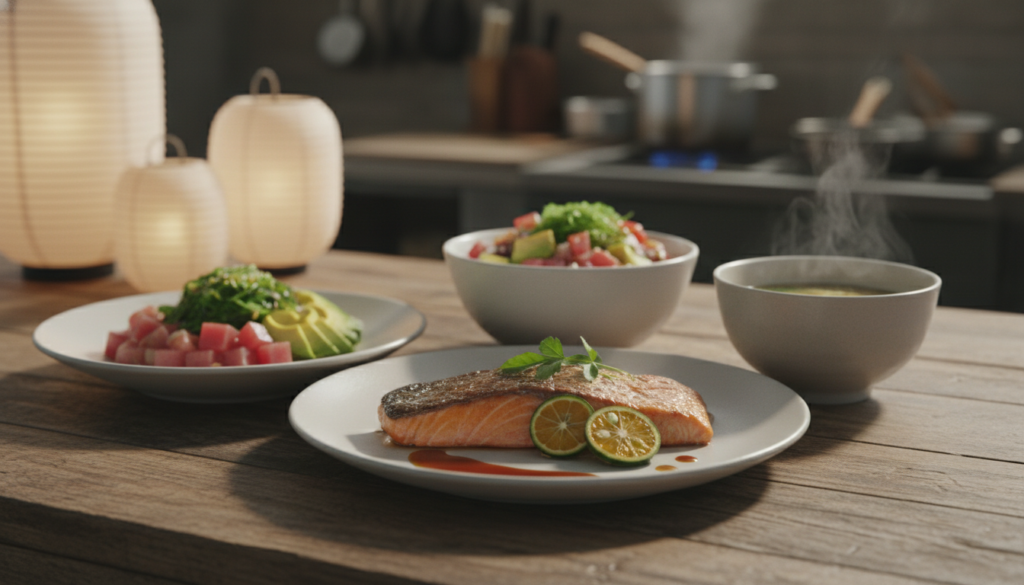
The most frequent issue when working with high-quality fish is overcooking, which leads to a dry, chalky texture. Freshness is key, and professional chefs inspect every ingredient before it hits the grill to ensure the quality is perfect. You should always monitor the internal temperature closely rather than relying solely on a timer.
If the salmon begins to flake too easily or shows white albumin on the surface, it is likely past its prime cooking point. To maintain a buttery, tender mouthfeel, remove the fillet from the heat source just before it reaches your target temperature. The residual heat will finish the cooking process gently without compromising the delicate structure of the fish.
Troubleshooting Flavor Imbalances
Sometimes, the seasoning profile of your dish may feel slightly off during the final stages of preparation. If the flavor seems too intense or lacks depth, do not panic. You can often restore balance by adding a small amount of acidity, such as a splash of citrus or rice vinegar, to brighten the overall profile.
If the dish feels too salty, consider incorporating a touch of sweetness from mirin or a mild vegetable side to neutralize the palate. Mastering these adjustments allows you to refine your top seafood dishes on the fly. With practice, you will gain the confidence to trust your instincts and create a balanced, restaurant-quality experience every time you cook.
Conclusion
Mastering the Ora King Salmon cooked Fujioka style represents a rewarding journey. This process blends precision with high-quality ingredients and a deep respect for Japanese culinary traditions.
You now possess the knowledge to prepare restaurant-quality meals at home. These techniques highlight the natural beauty and rich flavor of premium salmon. Your kitchen can become a space where creativity meets authentic technique.
We encourage you to experiment with these methods to reach new heights in your cooking. Consistent practice and sharp attention to detail remain the primary drivers of success for every dish you serve.
Share your results with friends or family to celebrate the art of fine dining. Your dedication to learning these skills transforms simple ingredients into memorable experiences. Keep exploring the nuances of flavor and texture as you refine your personal style.