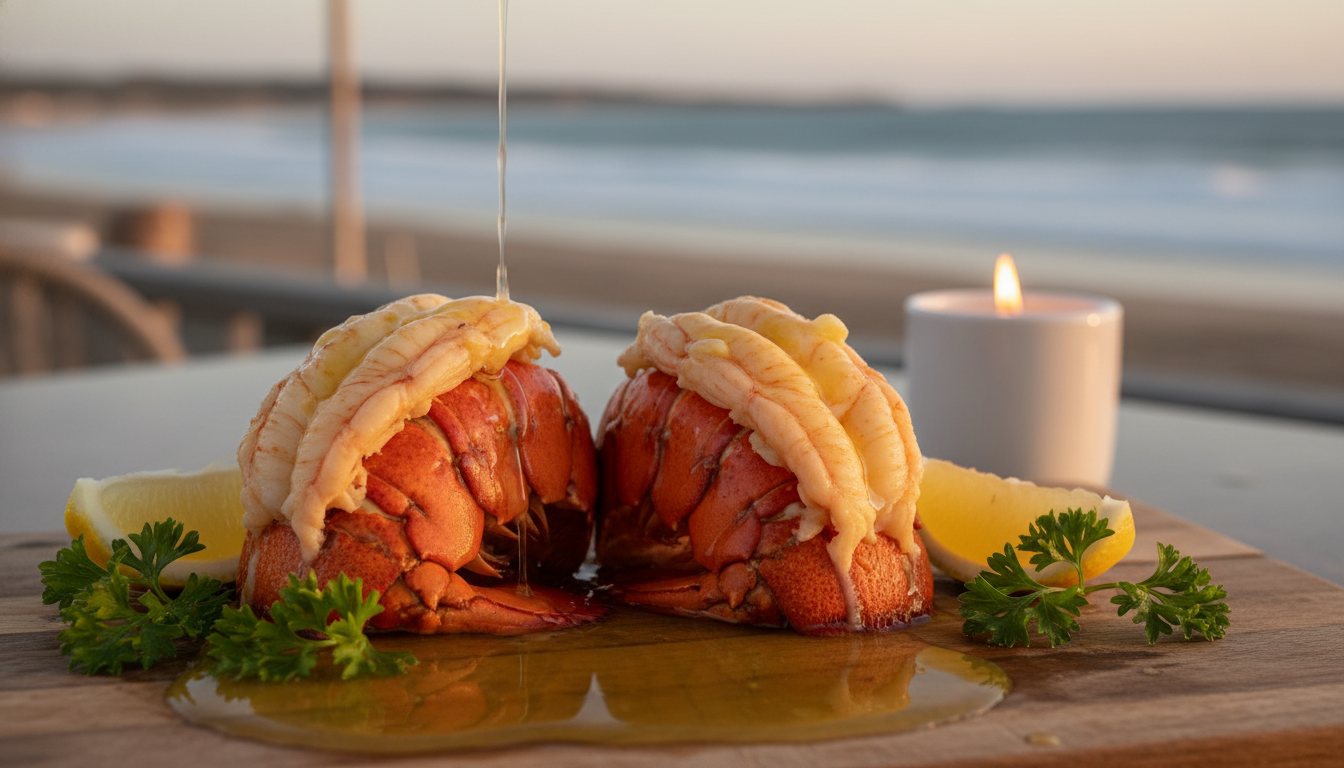
Imagine bringing the elegance of a high-end seafood restaurant directly into your own home. Preparing Mouth-watering Maine Lobster Tails cooked in butter and lemon juice is a surprisingly simple way to elevate any dinner. This decadent dish offers a sweet, delicate flavor profile that feels truly special.
You do not need to be a professional chef to master this classic lobster tails recipe. With just a few fresh ingredients, you can create a meal that rivals the finest dining experiences. If you prefer a professional touch for larger events, you might explore a Los Angeles-based teppanyaki catering that wows with premium seafood selections.
Whether you are celebrating an anniversary or simply treating yourself, this entree is the perfect choice. Follow these easy steps to unlock the secrets of gourmet seafood preparation. You will find that cooking at home is both rewarding and incredibly delicious.
Key Takeaways
- Learn to prepare restaurant-quality seafood in your own kitchen.
- Discover the secret to achieving a sweet and tender texture every time.
- Master a simple, elegant recipe that is perfect for special occasions.
- Understand how to balance rich flavors with bright, acidic notes.
- Gain confidence in your culinary skills with easy-to-follow techniques.
Understanding the Quality of Maine Lobster Tails
Not all shellfish are created equal, especially when you are looking for the best Maine lobster tails. Selecting the right product serves as the foundation for any successful seafood dish. By learning how to spot premium quality, you ensure that your final meal is both delicious and memorable.
Why Maine Lobster is the Gold Standard
Maine lobster is widely considered the gold standard in the culinary world. These crustaceans thrive in the frigid, nutrient-rich waters of the North Atlantic. This cold environment forces the lobster to grow slowly, which results in distinctively sweet meat and a firm, satisfying texture.
Unlike warm-water varieties, which can sometimes be mushy, these tails offer a clean, oceanic flavor profile. When you choose Maine lobster tails, you are investing in a product that holds its shape beautifully during the searing process.
“The secret to a perfect seafood dinner is starting with ingredients that have been handled with care from the ocean to your kitchen table.”
Identifying Fresh vs. Frozen Tails
Inspecting your purchase is a vital step in the preparation process. When shopping for Maine lobster tails, always examine the shell for any signs of cracking or damage. A healthy shell should appear vibrant and intact, rather than dull or brittle.
Check the meat for any signs of discoloration, such as dark spots or a yellow tint, which may indicate poor storage. The meat should look translucent or opaque white, depending on whether it is raw or blanched. Use the following guide to help you evaluate your selection:
| Feature | High Quality | Low Quality |
|---|---|---|
| Shell Appearance | Glossy and firm | Dull or cracked |
| Meat Color | Translucent/White | Yellowed/Discolored |
| Texture | Springy and firm | Soft or mushy |
Sustainable Sourcing and Ethical Choices
Choosing Maine lobster tails from reputable sources is about more than just taste. Ethical sourcing ensures that the lobster population remains healthy for future generations. Many fisheries in Maine follow strict regulations to protect the ecosystem and prevent overfishing.
Look for certifications from organizations that verify sustainable practices. By supporting these responsible fishermen, you guarantee that you are getting the highest quality product available while respecting the environment. Making an informed choice at the market is the first step toward a truly exceptional dining experience.
Essential Kitchen Tools for Preparing Lobster
Achieving restaurant-quality results at home is simple when you use the correct kitchen tools. Having the right equipment makes the preparation process significantly smoother and more professional. By investing in these basic kitchen staples, you ensure that your cooking process remains efficient and stress-free while following these lobster tail cooking tips.
Selecting the Right Kitchen Shears
High-quality kitchen shears are arguably the most important tool for any seafood enthusiast. You need a pair that is sharp, durable, and comfortable to grip when butterflying your tails. Precision is key when cutting through the tough shell to expose the meat for even cooking.
- Look for shears with a non-slip handle.
- Ensure the blades are made of high-grade stainless steel.
- Choose a model that can be easily disassembled for thorough cleaning.
Choosing Between Cast Iron and Stainless Steel
The pan you choose plays a vital role in how your lobster develops a beautiful sear. Cast iron is excellent for heat retention, which helps create a perfect crust on the meat. On the other hand, stainless steel offers superior responsiveness to temperature changes, allowing for more control during the basting process.
“Cooking is a craft that relies on the harmony between the chef’s skill and the quality of their tools.”
Thermometers and Precision Cooking
One of the most common mistakes in seafood preparation is overcooking, which leads to a rubbery texture. Using a digital instant-read thermometer is the best way to guarantee your lobster reaches the ideal internal temperature. This simple habit is one of the most effective lobster tail cooking tips for beginners and experts alike.
By monitoring the internal heat, you ensure the meat remains tender and succulent every single time. Precision tools remove the guesswork, allowing you to focus on the flavors of your butter and lemon sauce.
Preparing Your Lobster Tails for the Perfect Sear
Achieving a restaurant-quality sear starts long before the butter hits the pan. Proper preparation is the secret to ensuring your seafood is tender, flavorful, and visually stunning. When you focus on these initial steps, you create the foundation for many delicious lobster tail recipes that will impress your guests.
Thawing Techniques for Optimal Texture
Never rush the thawing process if you want to maintain the integrity of the meat. The best method is to place your frozen tails in the refrigerator overnight. This slow transition prevents the cell walls from breaking down, which keeps the lobster firm and succulent.
If you are short on time, you can submerge the sealed tails in cold water. Change the water every thirty minutes to ensure it stays chilled. Always remember that using premium ingredients is just as important as the thawing method you choose.
The Butterfly Method Explained
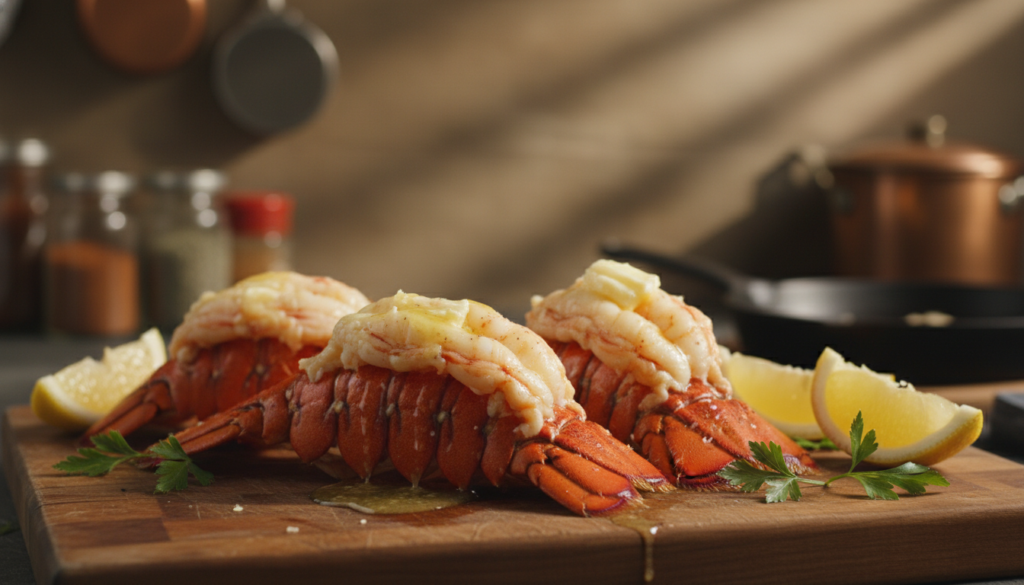
The butterfly method is a classic technique that allows the meat to cook evenly while looking beautiful on the plate. Start by using sharp kitchen shears to cut down the center of the top shell, stopping just before the tail fan. Gently pull the meat upward through the opening and rest it on top of the shell.
This presentation style is a staple in many delicious lobster tail recipes. It exposes the meat to direct heat, ensuring a perfect sear while the shell acts as a natural roasting rack. Your final dish will look like it came straight from a high-end kitchen.
Cleaning and Deveining Like a Pro
Once the tail is butterflied, you must clean it thoroughly. Locate the dark intestinal vein running along the center of the meat and carefully lift it out with the tip of a knife. Removing this ensures a clean, sweet flavor in every bite.
Rinse the meat under cold water and pat it dry with paper towels. Removing excess moisture is critical for achieving a golden-brown crust during the searing process. A dry surface ensures the butter and aromatics adhere perfectly to the lobster.
| Preparation Step | Goal | Key Benefit |
|---|---|---|
| Slow Thawing | Maintain Texture | Prevents mushy meat |
| Butterfly Cut | Even Cooking | Professional presentation |
| Deveining | Flavor Purity | Removes grit |
| Patting Dry | Surface Moisture | Better sear quality |
The Art of the Perfect Butter and Lemon Sauce
A high-quality sauce acts as the perfect vehicle for enhancing the natural sweetness of your seafood. When you prepare butter lemon lobster tails, the sauce should complement the meat rather than overpower its delicate flavor profile.
Choosing the Best Quality Butter
For the best results, always reach for unsalted butter. Using unsalted varieties allows you to maintain complete control over the sodium levels in your dish.
High-fat European-style butters are often preferred by chefs for their creamy texture and rich mouthfeel. This simple choice ensures your sauce remains silky and luxurious throughout the meal.
Balancing Acidity with Fresh Lemon Juice
The secret to a vibrant sauce is the bright acidity found in fresh citrus. Always squeeze your lemons right before adding them to the pan to preserve the most vibrant aromatic oils.
Start with a small amount of juice and taste as you go. You want to achieve a harmonious balance where the tartness cuts through the richness of the butter without becoming too sharp.
Infusing Aromatics for Depth of Flavor
To take your sauce to the next level, consider adding savory spices like smoked paprika or high-quality garlic powder. These ingredients add a layer of complexity that makes your meal truly memorable.
Gently heating these aromatics in the butter allows their essential oils to bloom, creating a deeply flavorful base. Mastering these small details is what separates standard meals from truly delicious lobster tail recipes that your guests will crave.
Mouth-watering Maine Lobster Tails cooked in butter and lemon juice.
Transforming raw tails into a gourmet meal is a rewarding culinary experience. When you prepare Mouth-watering Maine Lobster Tails cooked in butter and lemon juice., the goal is to achieve a golden, caramelized exterior while keeping the inside incredibly tender.
Mastering the Pan-Searing Technique
To start, heat your skillet over medium-high heat with a blend of oil and butter. Place the lobster meat side down to ensure a beautiful sear that locks in the natural juices. Avoid moving the tails too much, as this allows the crust to form properly without sticking.
Basting Secrets for Maximum Tenderness
Once you flip the tails, reduce the heat to medium to prevent the butter from burning. Spoon the foaming, lemon-infused butter over the meat repeatedly to ensure even cooking. This simple step is the secret to any great lobster tails recipe, as it keeps the delicate protein succulent and flavorful.
Monitoring Internal Temperatures for Safety
Precision is vital when working with high-quality seafood. Use a digital meat thermometer to check the thickest part of the tail for an internal temperature of 140°F. Following this lemon butter lobster tail recipe ensures your meal is safe, perfectly opaque, and never rubbery.
Common Mistakes to Avoid When Cooking Lobster
Even the most skilled home chefs can find preparing delicate seafood a bit intimidating at times. While the process is straightforward, small errors can quickly impact the final texture and flavor of your meal. By understanding these frequent hurdles, you can approach your next kitchen session with total confidence.
Preventing Overcooking and Rubberiness
The most common issue when preparing this crustacean is overcooking, which turns tender meat into a rubbery, tough texture. Lobster meat is incredibly delicate and continues to cook even after you remove it from the heat source. To achieve the best results, pull the tails from the pan when they reach an internal temperature of 140°F.
Always keep a close eye on the clock, as even thirty extra seconds can make a significant difference. Following reliable lobster tail cooking tips will help you maintain that signature succulent bite every single time.
Managing Heat Levels for Even Cooking
Many cooks make the mistake of using high heat throughout the entire searing process. High heat is excellent for a quick crust, but it often leaves the center of the meat raw while burning the exterior. Instead, start with a medium-high flame to get that golden sear, then lower the heat to finish the cooking process gently.
Consistent heat management ensures that your lemon butter lobster tail recipe remains juicy and evenly cooked from edge to edge. If you notice the butter browning too quickly, move the pan to a cooler burner immediately to prevent a bitter, burnt taste.
Avoiding Common Seasoning Pitfalls
Seasoning is the final touch that elevates a simple dish into a gourmet experience. A frequent mistake is over-salting the butter sauce, which can easily overpower the natural sweetness of the lobster. Remember that the ocean provides a subtle, natural salinity, so start with a light hand when adding extra salt.
When preparing your lemon butter lobster tail recipe, ensure the acidity of the lemon juice is balanced with enough high-quality butter. This harmony is essential for a professional finish. Use the following table to quickly troubleshoot your cooking process and ensure success.
| Common Mistake | Resulting Issue | Pro Solution |
|---|---|---|
| High Heat Throughout | Burnt exterior, raw center | Lower heat after initial sear |
| Over-boiling/searing | Rubbery, tough texture | Use a thermometer at 140°F |
| Excessive Salt | Masks natural sweetness | Season lightly and taste often |
| Ignoring Tail Size | Uneven cooking times | Adjust time based on weight |
Creative Serving Suggestions and Pairings
When you serve butter lemon lobster tails, the right accompaniments can truly make the flavors shine. Transforming a simple meal into a memorable dining experience is all about the presentation and the thoughtful selection of sides. By focusing on these finishing touches, you can elevate your home-cooked meal to a level that feels truly special and celebratory.
Classic Side Dishes That Complement Lobster
The best side dishes highlight the natural sweetness of the meat without overpowering it. You want to choose items that provide a clean, refreshing contrast to the richness of the butter sauce. For more inspiration, check out these mouth-watering lobster recipes to find the perfect match for your dinner.
- Steamed Asparagus: Lightly seasoned with sea salt and a touch of olive oil.
- Roasted Baby Potatoes: Tossed with fresh herbs like rosemary or thyme.
- Citrus Quinoa Salad: A bright, zesty option that balances the buttery richness.
- Garlic Herb Risotto: A creamy, comforting choice that pairs beautifully with seafood.
Wine and Beverage Pairings for Seafood
Selecting the right drink is essential for balancing the profile of your lobster tail dishes. A crisp, acidic white wine is often the gold standard for cutting through the fat of the butter. Consider these popular options to enhance your dining experience:
| Beverage Type | Recommended Variety | Why It Works |
|---|---|---|
| White Wine | Chardonnay (Oaked) | Complements the buttery texture. |
| White Wine | Sauvignon Blanc | Adds a zesty, acidic contrast. |
| Non-Alcoholic | Sparkling Lemonade | Refreshes the palate between bites. |
Elevating Your Presentation for Special Occasions
Presentation is the final step in creating a restaurant-quality atmosphere at home. Start by using warm plates to ensure your meal stays at the perfect temperature while you enjoy your first course. A simple garnish of fresh parsley or a thin slice of lemon can add a vibrant pop of color to your plate.
Remember that simplicity often speaks volumes when plating high-quality seafood. Arrange your lobster tail dishes in the center of the plate to draw the eye immediately. By paying attention to these small details, you ensure that every guest feels like they are enjoying a truly luxurious event.
Storing and Reheating Leftover Lobster
Don’t let your premium seafood go to waste; learning how to store and reheat leftovers is a valuable culinary skill. While Maine lobster tails are undoubtedly best enjoyed fresh from the pan, proper handling ensures that every bite remains delicious for days to come.
Best Practices for Refrigeration
To maintain the highest quality, you must store your cooked meat in an airtight container. This prevents the delicate flesh from absorbing other odors in your refrigerator. Properly sealed, your lobster will stay fresh and flavorful for up to three days.
“The secret to great leftovers is treating the ingredients with the same respect you gave them during the initial preparation.”
How to Reheat Without Losing Moisture
The biggest challenge when reheating Maine lobster tails is avoiding a rubbery texture. You should always use gentle, low-heat methods to keep the meat tender. A quick steam or a light sauté in a small amount of butter and water works wonders to restore moisture without overcooking the protein.
Creative Ways to Use Leftover Lobster Meat
If you prefer not to reheat the tails whole, there are many ways to repurpose the meat. You can easily transform your Maine lobster tails into a refreshing lobster salad or a classic, creamy lobster roll for lunch. Adding the chilled meat to tacos or pasta dishes also provides a luxurious upgrade to everyday meals.
- Toss cold meat with mayonnaise and celery for a quick salad.
- Fold chunks into warm buttered pasta with fresh herbs.
- Use the meat as a decadent topping for gourmet tacos.
Conclusion
Preparing Maine lobster tails at home turns a standard evening into a memorable event. You gain the ability to serve gourmet meals for a fraction of the cost found at high-end steakhouses. Mastering these techniques ensures your kitchen becomes a hub for culinary excellence.
You can explore this lobster tails recipe with garlic lemon to refine your skills and impress your guests. These lobster tail dishes offer a perfect balance of sweet, tender meat and rich, savory aromatics. Every bite highlights the quality of your ingredients when you follow these simple steps.
Confidence in the kitchen grows with every successful meal you create. Focus on the internal temperature and the texture of the meat to ensure consistent results. Sharing these lobster tail dishes with your favorite people makes the effort worthwhile.
Enjoy the process of crafting elegant seafood plates in your own home. Your journey toward becoming a skilled home chef starts with these foundational methods. Keep experimenting with fresh herbs and citrus to make each serving uniquely yours.