Bringing the high-energy atmosphere of a Japanese steakhouse into your home is easier than you might imagine. You can transform simple, fresh ingredients into a restaurant-quality meal that feels truly special. By mastering a few professional techniques, you will learn how to achieve that signature sear that makes our favorite Hibachi Jumbo Shrimp taste so incredible.
This vibrant dish relies on succulent seafood seared quickly in a hot pan. The combination of citrus notes and savory fats creates a flavor profile that is absolutely addictive. Whether you are a beginner or a seasoned home cook, following these steps ensures your main course is grilled to perfection every single time.
Key Takeaways
- Learn the secrets to achieving a professional-grade sear at home.
- Discover how fresh citrus and savory fats elevate simple seafood.
- Master the timing required for tender, juicy results in minutes.
- Understand the essential steps for recreating authentic steakhouse flavors.
- Gain confidence in preparing a healthy, high-protein meal for your family.
The Art of Hibachi Cooking at Home
Many people associate the term hibachi with the lively restaurant experience, but the roots of this cooking method go much deeper. While the word literally translates to “fire bowl” in Japanese, referring to a traditional charcoal-based grill, most home cooks are actually looking to replicate the teppanyaki style. Mastering this hibachi cooking technique allows you to bring professional-grade results directly to your own kitchen table.
Understanding the Teppanyaki Style
The teppanyaki style is defined by the use of a smooth, flat-top iron griddle. This surface provides consistent heat distribution, which is essential for searing ingredients quickly. Unlike traditional open-flame grilling, this method allows for a seamless transition between cooking proteins and vegetables on the same surface.
Because the surface is flat, you can easily manage sauces and seasonings without losing them to the flames below. This makes it the perfect environment for a delicious hibachi recipe that relies on high-heat searing to lock in moisture. It is a highly efficient way to prepare a full meal in just a few minutes.
Why Hibachi Shrimp is a Crowd Favorite
When it comes to selecting the star of your meal, shrimp is a consistent winner. This shrimp recipe is a crowd favorite because it cooks incredibly fast, absorbing the rich lemon garlic butter sauce almost instantly. The natural sweetness of the seafood pairs perfectly with the savory, charred notes created by the high-heat griddle.
Beyond the flavor, there is an undeniable entertainment value to preparing this dish. Watching the shrimp turn opaque and pink as they hit the hot surface creates a sensory experience that guests love. Whether you are hosting a dinner party or just looking for a quick weeknight meal, this approach to cooking remains a beloved choice for families everywhere.
Selecting the Best Jumbo Shrimp for Your Hibachi Dish
Your journey to the perfect hibachi dinner begins at the seafood counter. Choosing the right protein is the foundation of any successful seafood meal, especially when high-heat cooking is involved. When you prepare grilled shrimp, the quality of your ingredients dictates the final texture and flavor of the dish.
Fresh Versus Frozen Shrimp Considerations
Many home cooks wonder if fresh is always better than frozen. In reality, high-quality flash-frozen shrimp are often superior because they are processed immediately after harvest. The key to success with either option is ensuring the shrimp are completely dry before they hit the hot surface.
Excess moisture prevents a proper sear, which is essential for that authentic grilled shrimp experience. Always pat your seafood down with paper towels to remove surface water. This simple step ensures your grilled shrimp develops a beautiful, golden-brown crust.
Proper Cleaning and Deveining Techniques
Cleaning your shrimp properly is vital for both presentation and taste. Start by removing the shell, leaving the tail on if you prefer a more elegant look. Use a small paring knife to make a shallow incision along the back to remove the dark vein.
“The secret to professional seafood is in the preparation; clean ingredients lead to clean flavors.”
Taking the time to devein ensures your grilled shrimp has a clean, professional appearance. A well-prepped shrimp will cook evenly and look much more appetizing on the plate.
The Importance of Size for Grilling
Size matters significantly when you are working with high heat. For the best results, use large shrimp in the 41-50 per pound size range. This specific size is sturdy enough to withstand the intense heat of the griddle without becoming rubbery or overcooked.
| Shrimp Size | Count per Pound | Best Use |
|---|---|---|
| Medium | 51-60 | Stir-fry or salads |
| Large | 41-50 | Ideal for grilling |
| Jumbo | 21-30 | Skewers or appetizers |
By selecting the right size, you ensure that your grilled shrimp remains succulent and tender. Consistent sizing also helps you manage your cooking time more effectively, allowing for a seamless transition from the grill to your dining table.
Essential Tools for Authentic Hibachi Results
You can easily transform your home kitchen into a professional teppanyaki station with the right gear. Mastering hibachi cooking at home is an exciting journey that relies heavily on having the correct hardware to handle high temperatures.
Choosing the Right Griddle or Skillet
A true teppanyaki grill features a flat, solid iron plate. This design is far superior to an open-grate grill because it prevents small ingredients from falling through the cracks.
If you do not have a dedicated outdoor griddle, a heavy-duty cast-iron skillet is a fantastic alternative. It retains heat exceptionally well, which is essential for achieving a professional-grade sear on your proteins.
Must-Have Spatulas and Scrapers
To truly mimic the fast-paced movements of a professional chef, you need the right utensils. A pair of wide, stainless steel spatulas allows you to flip and move food with precision and speed.
Do not forget to include a sturdy metal scraper in your kit. This tool is vital for keeping your cooking surface clean, ensuring that your delicious shrimp never stick to the metal during the process.
Temperature Control for High-Heat Cooking
Managing your heat source is the most critical skill for successful hibachi cooking. You must maintain a high surface temperature to sear the exterior of the seafood quickly.
However, you must also be ready to lower the heat when adding your butter sauce. This careful balance prevents the butter from burning, ensuring your delicious shrimp remains tender and flavorful throughout the entire meal.
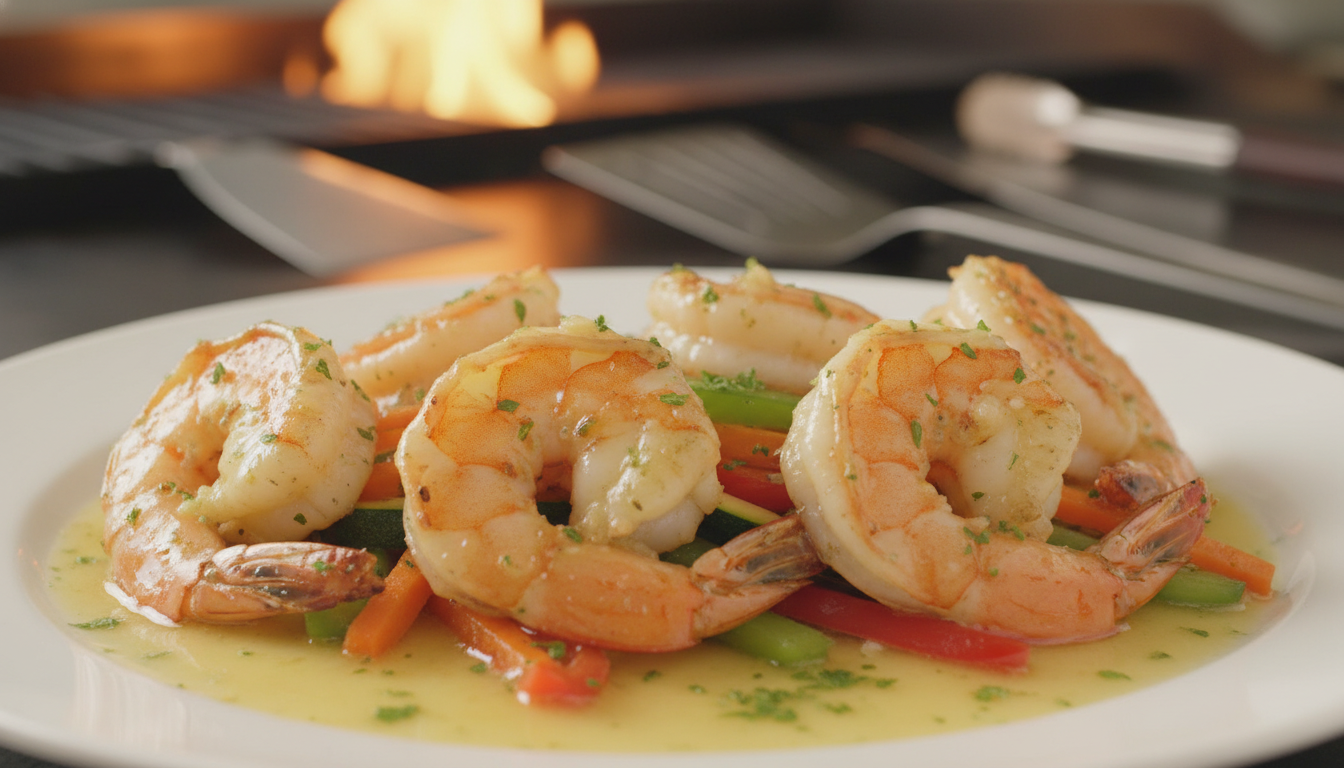
Hibachi Jumbo Shrimp grilled to perfection with lemon and garlic butter
When you prepare Hibachi Jumbo Shrimp, the interaction between heat and ingredients defines the final dish. Achieving a professional result at home is entirely possible when you understand the fundamental principles of high-heat cooking. By focusing on these techniques, you ensure your meal is grilled to perfection every single time.
The Science of High-Heat Searing
The secret to a great sear lies in the rapid application of heat. When the surface of the shrimp hits a hot griddle, it undergoes the Maillard reaction, which creates a savory, golden-brown crust. This process locks in moisture while adding a deep, complex flavor profile.
To achieve this, you should sear the shrimp for exactly one minute per side. High-heat searing is essential because it prevents the shrimp from steaming in its own juices. If the heat is too low, the shrimp will lose its snap and become unappealingly soft.
Balancing Flavors in Japanese-Inspired Cuisine
Authentic Japanese cuisine relies on the harmony of contrasting tastes. You want to balance the salty, umami-rich notes of soy sauce with the bright, acidic punch of fresh lemon juice. This combination cuts through the richness of the butter, creating a light yet satisfying experience.
Consider these tips for flavor balance:
- Use high-quality unsalted butter to control the sodium levels.
- Add soy sauce during the final thirty seconds of cooking to prevent burning.
- Finish with a squeeze of fresh lemon to elevate the natural sweetness of the seafood.
Achieving the Ideal Texture
The texture of your Hibachi Jumbo Shrimp is just as important as the flavor. Overcooking is the most common mistake, as it turns tender meat into a rubbery, tough consistency. By keeping a close eye on the color of the shrimp, you can pull them off the heat the moment they turn opaque.
Proper heat management allows the shrimp to remain succulent and juicy. When you master these steps, you bring the vibrant spirit of Japanese cuisine into your own kitchen. Your guests will surely appreciate the care taken to ensure every bite is grilled to perfection.
Mastering the Lemon Garlic Butter Sauce
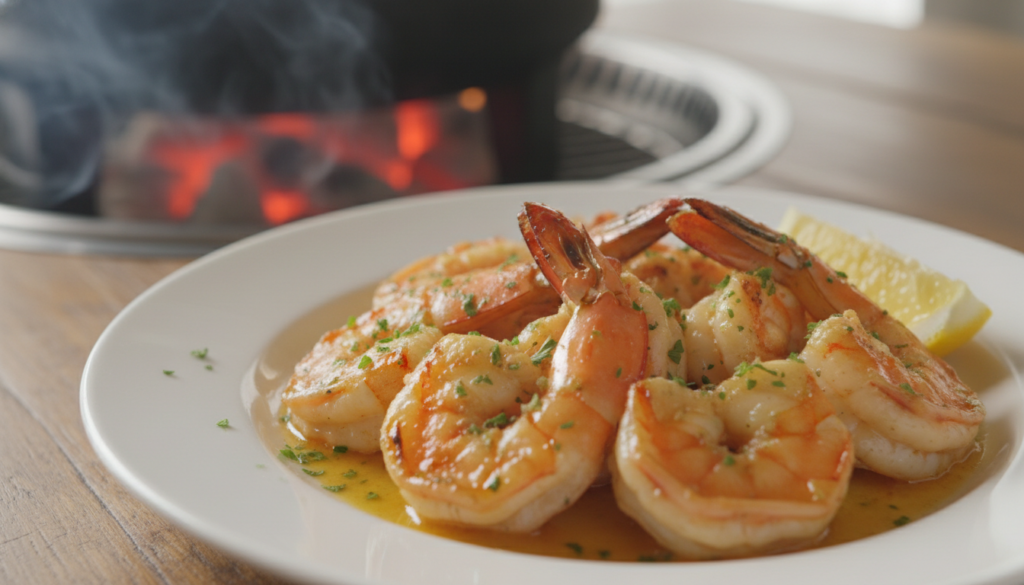
A vibrant sauce is the final touch that transforms simple shrimp into a gourmet feast. When you prepare lemon garlic butter shrimp, the sauce acts as the bridge between the charred, smoky exterior of the seafood and the delicate sweetness of the meat. Achieving this balance requires attention to detail and a few professional techniques.
Selecting High-Quality Butter and Aromatics
The foundation of any great sauce is the quality of your ingredients. Always choose high-fat, European-style butter, as it contains less water and provides a much creamier mouthfeel. Fresh garlic is non-negotiable; avoid pre-minced jars, which often lack the pungent, aromatic punch needed to cut through the richness of the butter.
The Role of Fresh Lemon Juice
Fresh lemon juice provides the necessary acidity to brighten the heavy fats in your dish. Beyond its flavor, it serves a functional purpose during the final stages of cooking. By deglazing the pan with a splash of citrus at the end, you lift the flavorful brown bits—known as fond—from the bottom of the griddle. This simple step ensures that every drop of your lemon garlic butter shrimp sauce is packed with concentrated, savory goodness.
Emulsification Tips for a Silky Finish
To achieve a restaurant-quality, silky texture, you must master the art of emulsification. Keep your heat low once the butter is added to prevent the sauce from breaking or separating into oil and solids. Whisking in a small amount of cold butter at the very end creates a stable, glossy emulsion that clings perfectly to the shrimp.
| Butter Type | Fat Content | Best Use |
|---|---|---|
| Salted Butter | 80% | General seasoning |
| Unsalted European | 82-86% | Best for emulsification |
| Clarified Butter | 99% | High-heat searing |
Preparing Your Ingredients for a Seamless Cook
Transforming your kitchen into a professional hibachi station begins with simple organization. Because the actual cooking time for this shrimp recipe is remarkably short, usually lasting only five to ten minutes, you cannot afford to waste time searching for ingredients once the heat is on.
Mise en Place for Fast-Paced Grilling
The French culinary concept of mise en place, or “everything in its place,” is the secret to a stress-free experience. Before you begin, chop your aromatics, measure your sauces, and ensure your protein is ready to hit the hot surface. When you learn how to choose premium ingredients, you want to make sure they are displayed in bowls within arm’s reach of your griddle.
Marinating vs. Seasoning During the Cook
Deciding when to add flavor is a key part of your shrimp recipe strategy. While some prefer a quick marinade, high-heat grilling often works best with seasoning applied during the cooking process. This prevents delicate ingredients from burning and allows the natural sweetness of the seafood to shine through.
Keep your salt, pepper, and garlic powder in small, accessible containers. By seasoning as you go, you maintain total control over the flavor profile of your dish.
Vegetable Prep to Complement the Shrimp
Vegetables like broccoli, zucchini, and onions require specific preparation to ensure they reach a tender-crisp texture. Cut your vegetables into uniform, bite-sized pieces so they cook evenly alongside your protein. If you are using broccoli, blanching the florets for a minute before grilling can help them finish at the same time as your shrimp recipe.
Always pat your vegetables dry after washing them. Excess moisture creates steam, which can prevent that beautiful, golden-brown sear you are aiming for on your hibachi grill.
Step-by-Step Grilling Techniques for Succulent Shrimp
Achieving the perfect sear on your seafood requires a blend of patience and precision. When you master the rhythm of the griddle, you transform simple ingredients into a gourmet experience. Following these specific steps ensures your grilled shrimp maintains a tender, juicy texture every single time.
Heating the Surface to the Right Temperature
Before you begin, ensure your cooking surface is properly preheated. A high-heat environment is essential to create that signature crust without drying out the interior. You should aim for a surface temperature that causes a distinctive sizzle the moment the seafood touches the metal.
Managing the Cooking Time to Prevent Overcooking
Timing is the most critical factor when preparing this dish. To achieve the best results, cook the shrimp undisturbed for exactly one minute on each side. This brief window allows the exterior to develop a beautiful golden-brown color while keeping the inside succulent and tender.
If you leave the seafood on the heat for too long, it will quickly become rubbery and lose its delicate flavor. Keep a close eye on the color change; as soon as the translucent flesh turns opaque and pink, it is time to move to the next step. This delicious shrimp is best served immediately after it leaves the heat.
Applying the Lemon Garlic Butter at the Right Moment
The final touch involves adding your aromatic sauce during the last thirty seconds of cooking. By applying the lemon garlic butter at this stage, you allow the flavors to coat the surface without burning the garlic. This method ensures a rich, silky finish that elevates your delicious shrimp to a professional standard.
Pairing Suggestions to Complete Your Hibachi Feast
Elevating your homemade hibachi recipe requires more than just perfectly grilled proteins. A truly memorable dining experience relies on the perfect harmony of side dishes and flavorful accompaniments that round out your meal.
Classic Hibachi Fried Rice Recipes
The foundation of any great teppanyaki meal is undoubtedly the fried rice. For the best results, use day-old chilled rice to ensure each grain remains distinct and avoids becoming mushy during the high-heat stir-fry process.
Sauté your rice with finely diced carrots, onions, and peas. A splash of soy sauce and a touch of toasted sesame oil will provide that signature savory depth that guests love.
Steamed Vegetables and Dipping Sauces
Balance the richness of your seafood dish by serving crisp, steamed vegetables like broccoli, zucchini, and snap peas. These greens provide a necessary crunch and a fresh flavor profile that cuts through the buttery notes of the shrimp.
“The secret to a perfect meal lies in the balance of textures and the brightness of the accompanying sauces.”
No feast is complete without the right condiments. Homemade yum yum sauce is a highly recommended dipping accompaniment that completes the authentic restaurant experience at home.
Beverage Pairings for Seafood Dishes
Choosing the right drink can enhance the delicate flavors of your grilled shrimp. Crisp white wines like Sauvignon Blanc or a chilled dry sake work beautifully to cleanse the palate.
If you prefer non-alcoholic options, a light jasmine tea or sparkling water with a squeeze of fresh lime offers a refreshing contrast. Consider the following guide to help you plan your next dinner:
| Component | Recommended Pairing | Flavor Profile |
|---|---|---|
| Main Protein | Lemon Garlic Shrimp | Buttery & Savory |
| Starch | Hibachi Fried Rice | Umami & Salty |
| Vegetable | Steamed Zucchini | Fresh & Crisp |
| Sauce | Yum Yum Sauce | Creamy & Tangy |
Troubleshooting Common Hibachi Grilling Mistakes
Achieving restaurant-quality results requires practice, and learning from common mistakes is part of the journey. Even experienced home cooks encounter challenges when working with high-heat methods. By understanding how to adjust your technique, you can ensure your lemon garlic butter shrimp turns out perfect every single time.
Preventing Shrimp from Becoming Rubbery
The most common issue with shellfish is overcooking, which leads to a tough, rubbery texture. To avoid this, keep a close eye on the color of the shrimp as they hit the hot surface. Once they turn opaque and form a gentle C-shape, they are ready to be removed from the heat.
If you find yourself with leftovers, remember that they can be stored in an airtight container in the refrigerator for 3 to 4 days. However, try to consume them quickly to maintain the best quality. When reheating, use a very low heat to prevent the lemon garlic butter shrimp from drying out further.
Handling Flare-ups and Smoke Management
High-heat cooking often produces significant smoke, which can be overwhelming in a home kitchen. Always ensure your kitchen ventilation fan is running at its highest setting before you begin. If you notice excessive smoke, consider using an oil with a higher smoke point, such as avocado or grapeseed oil.
Flare-ups usually occur when excess oil or butter drips directly onto the heating element. You can manage this by:
- Using a light coating of oil rather than pouring it directly onto the griddle.
- Keeping a metal scraper handy to clear away burnt bits immediately.
- Removing the protein from the heat source if a flame becomes too large.
Adjusting Seasoning Levels for Personal Preference
Flavor balance is subjective, and it is perfectly fine to tweak recipes to suit your palate. If your lemon garlic butter shrimp tastes too mild, try adding a pinch of sea salt or a splash of fresh citrus juice right before serving. Conversely, if the flavors feel too intense, a small pat of unsalted butter can help mellow the profile.
Always taste your sauce components before applying them to the main dish. This simple step allows you to make adjustments early, ensuring the final result is exactly how you like it. Remember that high-heat cooking intensifies flavors, so start with less seasoning and build up as needed.
Conclusion
Mastering the art of Hibachi Jumbo Shrimp at home allows you to enjoy the excitement of Japanese cuisine without the restaurant price tag. You now possess the skills to transform simple ingredients into a vibrant meal that rivals your favorite local spot.
Focusing on high-quality ingredients and precise heat management ensures you consistently produce a restaurant-quality seafood dish. Your kitchen is ready to become the center of your next culinary gathering.
We encourage you to experiment with these techniques to find your perfect flavor balance. Sharing a buttery, perfectly seared seafood dish with friends and family creates lasting memories around the table.
Embrace the bold flavors of Japanese cuisine as you refine your personal style. Your journey toward becoming a home-grilling expert starts with this simple, delicious recipe.