

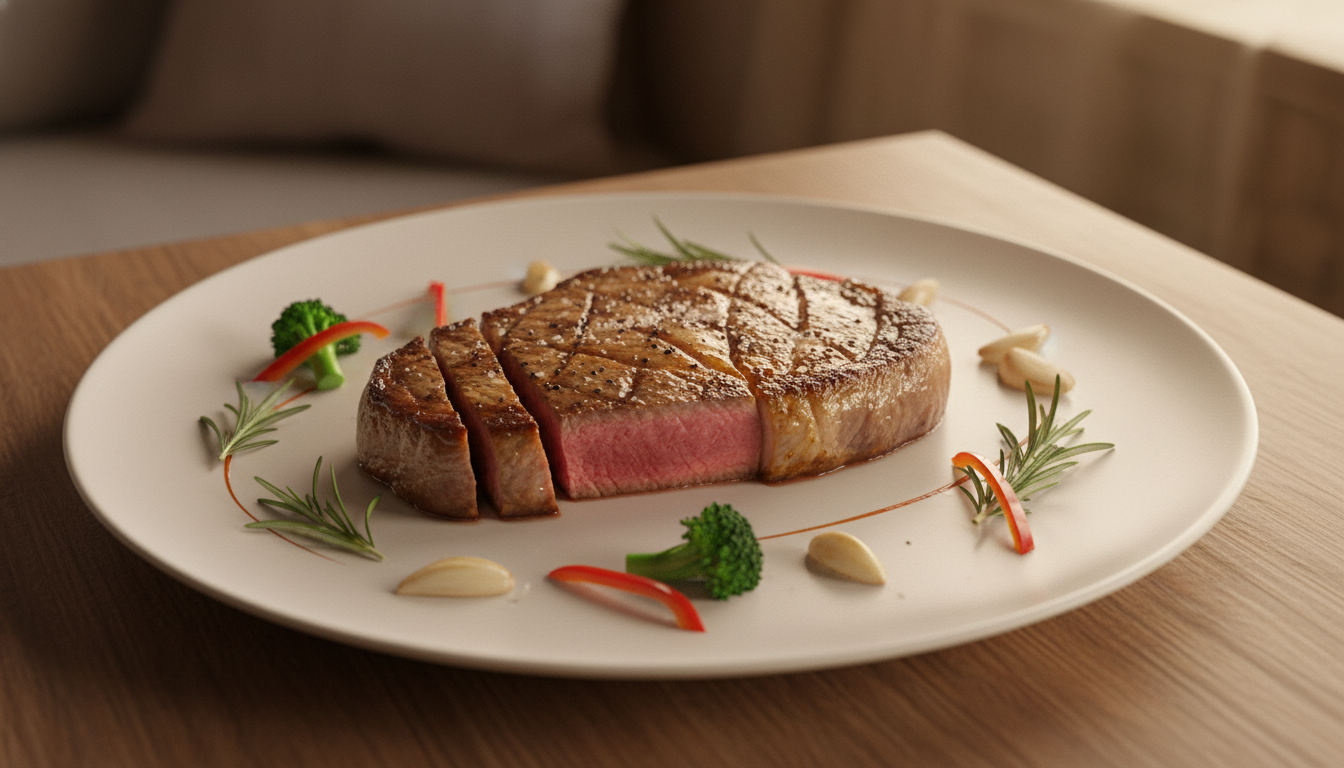
There is something truly magical about a perfectly prepared piece of beef. When you visit a teppanyaki table, you expect more than just a meal; you want a performance that delights the senses. Our signature New York steak captures this essence by focusing on the purity of high-quality ingredients.
By keeping the meat lightly seasoned, we allow the natural juices to shine through with every bite. This approach highlights the craftsmanship behind the grill, ensuring that each portion is cooked to your exact preference.
Many guests find that the Fujioka style offers a refreshing change from heavy sauces or complex marinades. It remains a beloved cornerstone of our menu because it celebrates simplicity. We invite you to discover why this method creates such a memorable dining event for food enthusiasts everywhere.
Key Takeaways
- Focusing on high-quality beef ensures a superior dining experience.
- Minimal seasoning allows the natural flavor of the meat to take center stage.
- The teppanyaki preparation method adds an element of excitement to your meal.
- Simplicity is the secret to achieving a perfect, tender result every time.
- This signature approach remains a favorite for those who appreciate authentic culinary techniques.
The Philosophy Behind the Fujioka Style
Embracing the Fujioka style means stripping away the unnecessary to reveal the true soul of a dish. This culinary approach centers on the belief that high-quality ingredients require very little intervention to shine. By focusing on the integrity of the product, we create a more sophisticated and satisfying result for every guest.
Minimalism as a Culinary Art
The core of this philosophy draws inspiration from traditional Japanese teppanyaki techniques. These methods prioritize the purity of the ingredients, ensuring that the natural, rich flavors of the beef are never masked by heavy sauces or excessive spices. When you adopt the Fujioka style, you are treating the kitchen as a space for refinement rather than transformation.
To master this art, consider these fundamental principles:
- Respect the source: Always start with the highest quality protein available.
- Limit the interference: Use heat and seasoning only to enhance, not to hide.
- Focus on texture: Allow the natural sear to provide the primary contrast.
Why Less is More with Premium Beef
When working with top-tier cuts, the goal is to highlight the marbling and the natural umami profile of the meat. Many home cooks make the mistake of over-seasoning, which can easily overpower the delicate nuances of a perfectly aged steak. Learning the art of choosing premium ingredients for teppanyaki dishes is the first step toward achieving this balance.
By keeping your preparation simple, you allow the quality of the beef to speak for itself. The Fujioka style encourages a mindful approach where every grain of salt and every second of heat serves a specific purpose. This restraint is exactly what elevates a standard meal into a truly memorable dining experience.
Selecting the Perfect New York Strip
If you want to replicate the best steak in New York, you must start with the quality of your beef. The New York Strip is a prized cut known for its balance of tenderness and robust flavor. Choosing the right piece of meat ensures that your home-cooked meal rivals the finest teppanyaki kitchens in the city.
Understanding Marbling and Grade
Marbling refers to the white flecks of intramuscular fat found within the muscle fibers. This fat is essential because it melts during the cooking process, basting the meat from the inside out. High-quality marbling is the primary indicator of a tender, juicy, and flavorful result.
“Quality is not an act, it is a habit.”
When shopping, look for the USDA grade on the label to ensure you are getting the best steak in New York standards. The following table highlights the differences in quality grades to help you make an informed choice at the butcher shop.
| Grade | Marbling Level | Texture |
|---|---|---|
| USDA Prime | Abundant | Very Tender |
| USDA Choice | Moderate | Tender |
| USDA Select | Slight | Leaner |
The Importance of Aging for Flavor Depth
Beyond the grade, the aging process plays a vital role in developing the complex profile of your beef. Dry-aging allows natural enzymes to break down connective tissues, which significantly improves tenderness. This process also concentrates the natural juices, resulting in a deep, nutty flavor that is highly sought after by culinary experts.
While wet-aged beef is often more accessible, dry-aged selections offer a superior experience for those seeking the best steak in New York style. Always check with your local butcher to see if they offer cuts that have been properly aged. Investing in a well-aged strip steak will elevate your home dining experience to a professional level.
The Art of Light Seasoning
When you prepare a high-quality cut of beef, the goal is to enhance its natural character rather than hide it. A lightly seasoned approach allows the deep, savory notes of the meat to take center stage. By using restraint, you ensure that every bite remains authentic and satisfying.
Choosing the Right Salt
The foundation of any delicious steak recipe begins with the salt you choose. Standard table salt often contains additives that can impart a metallic or chemical aftertaste to your beef. Instead, opt for high-quality sea salt or kosher salt, which provides a clean, crisp salinity.
These larger crystals dissolve slowly, allowing you to control the intensity of the flavor. When applied correctly, sea salt draws out the natural umami of the steak without overpowering the delicate proteins. This simple choice makes a significant difference in the final result.
Balancing Pepper and Subtle Aromatics
Once the salt is applied, it is time to consider the role of pepper and aromatics. Freshly cracked black pepper adds a necessary bite that cuts through the richness of the fat. However, it is important to use it sparingly to maintain a balanced profile.
You might also consider subtle aromatics like a hint of dried herbs or a touch of garlic powder to add complexity. The key is to ensure these additions support the beef rather than masking its natural flavor. Timing is everything; applying these seasonings just before cooking helps create a beautiful, flavorful crust.
| Seasoning Type | Flavor Impact | Best Use Case |
|---|---|---|
| Coarse Sea Salt | Clean, mineral-rich | Primary seasoning for crust |
| Cracked Black Pepper | Sharp, pungent | Final touch for depth |
| Garlic Powder | Savory, aromatic | Subtle background note |
| Table Salt | Harsh, one-dimensional | Avoid for premium cuts |
By following these guidelines, you can master the art of the delicious steak recipe. Keeping your preparation lightly seasoned ensures that the quality of your ingredients shines through in every meal.
Mastering the Fujioka Style Technique
The Fujioka style relies on a delicate balance of heat and timing to ensure success. By focusing on the interaction between your cooking surface and the beef, you can achieve professional results in your own kitchen. This method prioritizes consistency and careful attention to detail throughout the entire process.
Temperature Control for the Perfect Sear
To create a truly exceptional crust, you must maintain a high, steady temperature on your skillet or flat-top grill. Start by heating your pan until it is hot enough to sear the surface instantly upon contact. This initial blast of heat is essential for developing the deep, flavorful exterior that defines this culinary approach.
Once the sear is established, incorporate butter into the pan to baste the meat. This technique adds a luxurious finish and helps distribute heat evenly across the surface of the steak. Monitoring your heat levels ensures that the butter browns without burning, which keeps the flavor profile clean and sophisticated.
Resting the Meat to Lock in Juices
Creating a juicy steak dish requires more than just expert searing; it demands patience after the heat is turned off. Once you remove the beef from the pan, allow it to rest on a warm plate for several minutes. This period is vital because it lets the muscle fibers relax and reabsorb the natural juices that were pushed toward the center during cooking.
If you cut into the meat too soon, those precious juices will escape onto the cutting board. By waiting, you ensure that every bite remains succulent and tender. This simple step is the final secret to achieving a restaurant-quality meal at home.
| Heat Level | Cooking Goal | Resulting Texture |
|---|---|---|
| High Heat | Develop Crust | Crispy Exterior |
| Medium Heat | Butter Basting | Tender Interior |
| Resting Phase | Juice Retention | Succulent Juicy Steak Dish |
Essential Tools for the Home Chef
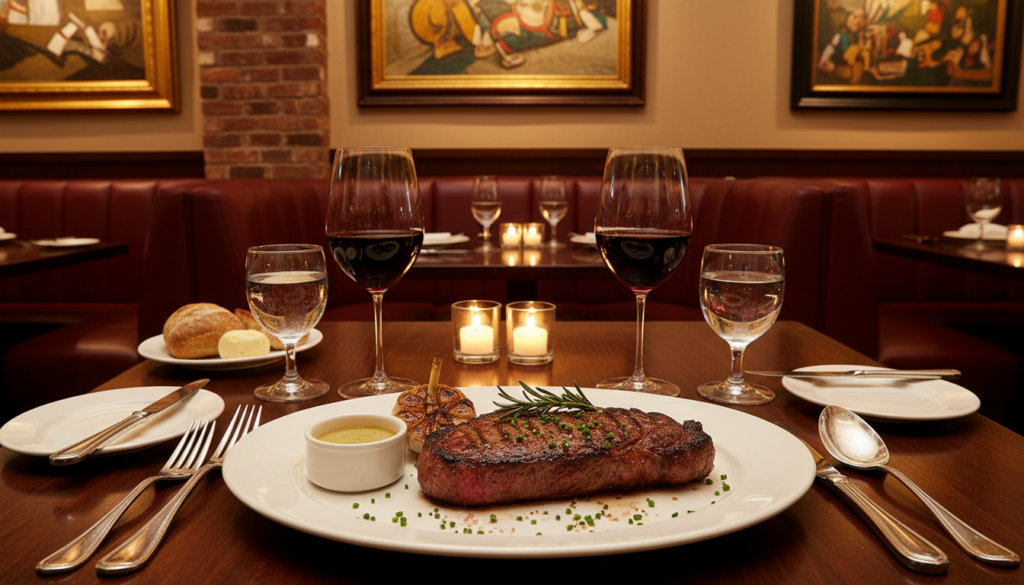
Bringing the magic of a top steak restaurant into your home requires more than just high-quality beef. While the quality of the cut is vital, the tools you use determine how well you can execute your technique. Investing in the right equipment ensures that you can replicate professional results with consistency and ease every time you cook.
Cast Iron Skillets vs. Stainless Steel
Choosing the right pan is the first step toward a perfect crust. Cast iron is a favorite among chefs because of its incredible heat retention, which allows for a deep, even sear. It is a heavy-duty workhorse that stays hot even when you add a cold piece of meat to the surface.
Stainless steel, on the other hand, offers superior versatility for pan sauces and deglazing. While it requires a bit more practice to manage heat, it is highly responsive to temperature changes. Many home cooks prefer a high-quality stainless steel pan for its durability and ease of maintenance.
| Feature | Cast Iron | Stainless Steel |
|---|---|---|
| Heat Retention | Excellent | Moderate |
| Responsiveness | Slow | Fast |
| Best Use | Searing | Sauce Making |
| Maintenance | Requires Seasoning | Dishwasher Safe |
Precision Thermometers for Accuracy
Even the most experienced chefs rely on technology to ensure perfection. A precision digital thermometer is the only way to guarantee that your steak reaches the exact level of doneness you desire. Relying on touch or timing alone often leads to inconsistent results, especially when working with different thicknesses of meat.
By using a reliable thermometer, you remove the guesswork from your cooking process. This simple tool acts as your secret weapon, helping you achieve the same standards found at a top steak restaurant. Always aim for accuracy to ensure your beef remains tender, juicy, and cooked exactly to your preference.
New York steak, lightly seasoned and served Fujioka style.
Bringing the restaurant-quality experience of a Fujioka style steak into your home kitchen is easier than you think. This method focuses on honoring the integrity of the meat by using minimal interference. By following a few core principles, you can transform a simple cut of beef into a culinary masterpiece.
The Signature Preparation Method
The foundation of this approach is simplicity. You want to ensure the natural flavors of the New York steak shine through without being masked by heavy marinades or complex spice rubs. Follow these steps to prepare your beef for the heat:
- Pat the surface of the meat completely dry with paper towels to ensure a better sear.
- Keep the seasoning lightly seasoned by using only high-quality sea salt just before cooking.
- Allow the steak to reach room temperature for about thirty minutes to ensure even cooking throughout.
Achieving the Ideal Crust
Creating that iconic, caramelized exterior is the hallmark of the Fujioka style. You need high heat and a heavy-duty pan to achieve the perfect Maillard reaction. When the pan is properly preheated, the fat renders quickly, creating a savory crust that locks in the juices.
Once you achieve a deep brown color on both sides, remove the New York steak from the heat immediately. It is essential to let the meat rest for at least five to ten minutes before slicing. This resting period allows the internal juices to redistribute, ensuring every bite is tender and flavorful. By keeping your seasoning lightly seasoned, you allow the rich, beefy notes to take center stage on your plate.
Pairing Sides to Complement the Beef
Creating a truly flavorful steak dish requires more than just high-quality beef; it demands the perfect supporting cast. The goal is to find balance, ensuring that your sides provide a refreshing contrast to the rich, savory profile of the meat. By selecting the right accompaniments, you can elevate the entire dining experience to a professional level.
Fresh Greens and Light Vinaigrettes
A crisp salad is the ideal partner for a rich cut of beef. The acidity found in a light vinaigrette works to cleanse the palate between each bite, preventing the meal from feeling too heavy. Focus on fresh, seasonal greens that offer a satisfying crunch without overpowering the delicate seasoning of the steak.
Consider these light options to brighten your plate:
- Arugula tossed with a lemon-shallot dressing.
- Mixed baby greens with a splash of balsamic glaze.
- Shaved fennel and cucumber salad for a cooling effect.
Simple Starch Accompaniments
When choosing a starch, simplicity is your best friend. You want an option that complements the natural juices of the beef rather than competing for attention. A flavorful steak dish shines brightest when paired with humble, well-executed sides that provide texture and comfort.
Steamed vegetables or a light portion of fried rice are excellent choices for this purpose. These sides absorb the subtle flavors of the meal while maintaining their own distinct character. By keeping the preparation straightforward, you ensure that the quality of the beef remains the star of the show.
Wine and Beverage Pairings
Finding the perfect beverage to accompany a popular steak dish requires a focus on balance and flavor harmony. When you serve a steak prepared with delicate, minimalist seasoning, the drink you choose should support the meat rather than mask its natural character. Whether you prefer a bold vintage or a refreshing non-alcoholic alternative, the goal is to create a seamless transition between every bite and sip.
Selecting Red Wines with Balanced Tannins
When pairing wine with a high-quality cut of beef, look for bottles that offer balanced tannins. Tannins act as a palate cleanser, cutting through the rich fat of the steak to ensure each mouthful feels fresh. You want a wine that provides structure without overwhelming the subtle, Fujioka-style seasoning of your meal.
“Great wine is a conversation between the earth and the glass, and it should always listen to the food it accompanies.”
Consider medium-bodied options like a classic Pinot Noir or a refined Merlot. These selections provide enough depth to stand up to the beef while remaining light enough to respect the minimalist preparation. If you are looking for a unique dining experience, you might also explore local spots that specialize in discovering the top hibachi grill in Los to see how they curate their own beverage lists.
Non-Alcoholic Options that Enhance Umami
For those who prefer to skip the alcohol, there are many sophisticated ways to elevate your popular steak dish. High-quality green teas, such as a toasted Hojicha or a delicate Sencha, offer earthy notes that beautifully complement the savory umami profile of the beef. These teas provide a clean finish that keeps your palate ready for the next bite.
Sparkling mineral water is another excellent choice for maintaining a clean, crisp dining experience. Adding a thin slice of cucumber or a sprig of fresh herbs can enhance the aromatics of the water without adding unwanted sweetness. By focusing on these subtle pairings, you ensure that the quality of the beef remains the true star of your table.
Common Mistakes to Avoid
Achieving the perfect steak at home requires more than just high-quality beef; it demands careful attention to detail. Even experienced cooks can occasionally fall into traps that detract from the final result. By recognizing these common errors, you can ensure that every meal you prepare stays true to the refined Fujioka style.
Over-seasoning and Masking Natural Flavors
The beauty of a premium cut of beef lies in its inherent richness and depth of flavor. When you apply too much seasoning, you risk overpowering the delicate notes that make high-quality meat so special. Minimalism is key to allowing the natural character of the steak to take center stage.
Avoid heavy rubs or complex spice blends that hide the quality of the beef. Instead, focus on using just enough salt to enhance the existing flavors rather than masking them. Your goal should be to highlight the quality of the source, not to bury it under layers of unnecessary ingredients.
The Dangers of Improper Heat Management
Heat control is the foundation of a successful sear and an even cook. Many home chefs struggle with pans that are either too cold or dangerously hot, leading to inconsistent results. If your pan is not properly heated, the steak will steam rather than develop that signature crust we strive for.
Conversely, excessive heat can lead to burnt exteriors while the center remains cold and raw. Maintaining a steady, controlled temperature is essential for achieving the perfect internal texture. To keep your cooking on track, consider these common pitfalls:
- Crowding the pan: This lowers the surface temperature and prevents a proper sear.
- Ignoring the thermometer: Guessing the internal temperature often leads to overcooked or undercooked meat.
- Skipping the rest: Cutting into the steak too soon causes vital juices to escape, resulting in a dry bite.
- Using the wrong oil: Oils with low smoke points can burn and impart a bitter, acrid taste to your steak.
Elevating Your Home Dining Experience
A truly great steak deserves a setting that honors the care put into its preparation. Transforming your kitchen into a high-end dining space involves more than just the food on the plate. By focusing on the finer details, you can recreate the special ambiance that guests expect when visiting a professional teppanyaki location.
Plating Techniques for a Professional Look
The visual appeal of your steak is the first thing your guests will notice. To achieve a professional presentation, always slice your New York strip against the grain. This simple technique ensures that every bite is tender and highlights the beautiful texture of the meat.
Consider using warm plates to keep your steak at the perfect temperature while you finish the final touches. A clean, minimalist arrangement allows the quality of the beef to take center stage. Simplicity is often the hallmark of true culinary elegance.
“The table is a theater where the drama of the meal unfolds, and every detail contributes to the final performance.”
Creating the Right Atmosphere
Setting the mood is just as important as the cooking itself. Start by adjusting your lighting to create a warm and inviting glow that mimics the intimate feel of a private dining room. Soft, ambient music playing in the background can also help bridge the gap between a standard dinner and a memorable event.
Your table setting should be intentional and uncluttered. Use high-quality linens and polished cutlery to signal to your guests that this is a special occasion. By curating these elements, you ensure that the Fujioka style of dining is fully realized in the comfort of your own home.
Conclusion
Transforming a simple cut of beef into a masterpiece requires patience and a deep appreciation for quality. You now possess the foundational knowledge to treat every New York strip with the respect it deserves.
Focusing on the Fujioka style allows the natural character of the meat to shine through. This approach turns a standard dinner into a memorable event for your guests.
Practice these techniques in your own kitchen to build your confidence. Each time you sear a steak, you refine your skills and develop a better intuition for heat and timing.
Share your results with friends and family to spread the joy of home cooking. Your journey toward culinary excellence starts with the very next meal you prepare.
Enjoy the process of creating something special. Your dedication to the craft will surely impress anyone lucky enough to sit at your table.