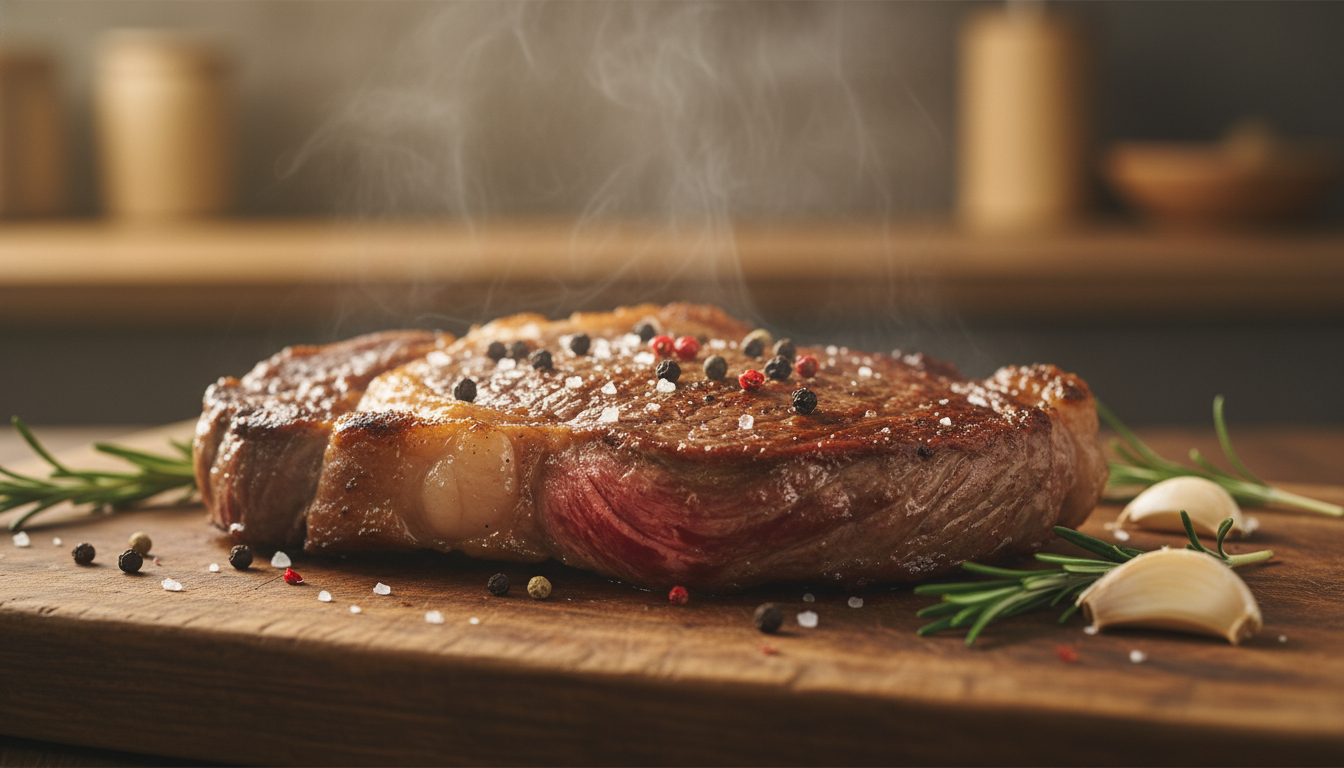
Few culinary experiences rival the satisfaction of a perfectly prepared steak. Among all the options available, the ribeye stands out as a true favorite for meat lovers everywhere. Its unique balance of rich flavor and beautiful marbling makes it the gold standard for any home chef.
When you start with an imported tender rib eye lightly seasoned, you are already halfway to a masterpiece. The secret to elevating this cut lies in the final steps of the process. By ensuring the meat is cooked in butter, you create a luxurious crust that locks in moisture and adds a deep, nutty aroma.
Mastering this technique allows you to bring a high-end steakhouse experience directly into your own kitchen. With the right heat and a bit of patience, you can achieve that elusive, juicy interior every single time.
Key Takeaways
- Ribeye is prized for its exceptional marbling and deep, savory flavor profile.
- Selecting high-quality beef is the most important step for a successful meal.
- Basting with fat creates a professional-grade crust that enhances the overall texture.
- Proper heat management prevents the meat from drying out during the searing process.
- Resting your steak after heat exposure is essential for retaining natural juices.
The Appeal of Premium Imported Rib Eye
When you bring home a premium beef cut, you are setting the stage for an unforgettable culinary experience. Many home cooks discover that the secret to a restaurant-quality meal lies in the quality of the meat itself. Choosing the right piece of protein is the most important step in your journey toward a perfect dinner.
Understanding the Marbling and Texture
The hallmark of a high-quality rib eye steak is its intramuscular fat, commonly known as marbling. This delicate network of fat is essential because it melts during the cooking process. As it renders, it infuses the muscle fibers with incredible moisture and a rich, beefy flavor.
This natural process ensures that every bite remains tender and succulent. You will notice that the texture of a well-marbled cut is far superior to leaner options. It provides a melt-in-your-mouth sensation that defines a truly luxurious meal.
Why Sourcing Matters for Beef Quality
When you opt for imported meat, you are often selecting products raised under rigorous standards. These international producers prioritize specific cattle breeds and feeding programs that enhance both flavor and texture. By focusing on these details, they ensure a consistent and high-quality eating experience.
Sourcing matters because it reflects the care taken throughout the entire production cycle. Choosing imported meat allows you to enjoy a product that has been handled with expertise from pasture to plate. Ultimately, investing in premium beef transforms a simple home-cooked dinner into a memorable event for your family and friends.
Selecting the Perfect Cut for Your Meal
Choosing the right steak is an art form that elevates your entire dining experience. When you prepare a rib eye steak, the quality of the raw ingredient dictates the final flavor profile. Taking a moment to inspect your selection ensures that your hard work in the kitchen pays off with a tender, juicy result.
Identifying Prime Imported Beef Characteristics
The most vital feature to look for is marbling. This refers to the white flecks of intramuscular fat distributed throughout the muscle fibers. As the meat cooks, this fat melts, basting the steak from the inside and creating a buttery texture that defines premium beef.
Beyond marbling, look for a vibrant, cherry-red color. Avoid cuts that appear dull or brown, as these may indicate oxidation. When you choose high-quality imported meat, you are investing in a product raised with specific standards that prioritize flavor and consistency.
Freshness Indicators at the Butcher Counter
When shopping, rely on your senses to verify the quality of your rib eye steak. The meat should feel firm to the touch rather than mushy or slimy. A clean, neutral scent is a hallmark of fresh, well-handled beef.
If you are buying pre-packaged options, ensure there is no excess liquid in the tray. Excessive moisture can prevent a proper sear later on. Use the following guide to help you evaluate your next purchase:
| Feature | High Quality | Low Quality |
|---|---|---|
| Marbling | Abundant, even distribution | Sparse or clumped fat |
| Color | Bright, vibrant red | Dark, grey, or brown |
| Texture | Firm and springy | Soft or sticky |
| Aroma | Fresh and clean | Sour or off-putting |
By focusing on these specific indicators, you can confidently select the best premium beef for your table. Whether you are cooking for a special occasion or a weekend treat, starting with a superior cut makes all the difference in your final dish.
Essential Preparation Techniques Before Cooking
Achieving a professional sear starts long before the pan hits the burner. When you invest in a high-quality tender rib eye, you want to ensure every detail of the cooking process is handled with care. Taking a few extra minutes to prep your meat properly is the secret to a truly succulent steak that rivals your favorite steakhouse.
The Importance of Room Temperature Resting
One of the most common mistakes home cooks make is moving beef directly from the refrigerator to a hot pan. You should bring your steak to room temperature for 30 to 60 minutes before you begin cooking. This simple step ensures even heat distribution throughout the meat, preventing the center from remaining cold while the edges overcook.
If you are looking for more guidance on the full process, you can learn how to cook a ribeye steak to perfection. Allowing the fibers to relax at room temperature is a vital habit for any home chef. It guarantees that your tender rib eye cooks consistently from edge to edge.
Patting Dry for the Perfect Sear
Moisture is the enemy of a beautiful, golden-brown crust. Before you season your meat, use paper towels to pat the surface completely dry. Removing excess surface moisture allows the heat to focus on searing the protein rather than evaporating water.
This technique is essential for creating a flavorful, caramelized exterior on your succulent steak. When the surface is dry, the Maillard reaction occurs much faster, locking in the juices and creating that signature texture you crave. Always remember that a dry surface is the foundation of a perfect sear.
The Art of Seasoning for Maximum Flavor
Seasoning is the secret bridge between a good piece of meat and a truly memorable dining experience. It is not merely about adding salt; it is about elevating the inherent, rich profile of a succulent steak. By focusing on simple, high-quality ingredients, you allow the true character of the beef to shine through.
“The best way to treat a fine piece of meat is to respect its origin. A little salt and pepper go a long way in letting the natural flavors speak for themselves.”
Choosing the Right Salt and Pepper Balance
For the best results, stick to the basics. Kosher salt is preferred by professionals because its coarse texture makes it easy to distribute evenly across the surface of your beef steak. Pair this with freshly cracked black pepper to provide a subtle, aromatic heat that complements the richness of the fat.
Avoid pre-ground pepper, as it often loses its potency and depth. Instead, use a pepper mill to release the essential oils right before you begin the cooking process. This small step ensures that every bite is vibrant and balanced.
| Seasoning Type | Best Use | Flavor Impact |
|---|---|---|
| Kosher Salt | Pre-cooking | Enhances tenderness |
| Cracked Pepper | Finishing/Cooking | Adds aromatic depth |
| Sea Salt Flakes | Post-cooking | Provides a crunchy finish |
Why Light Seasoning Enhances Natural Beef Notes
Applying your seasoning well in advance is a game-changer for any home cook. You should salt your meat at least 30 minutes before it hits the heat. This allows the salt to penetrate the muscle fibers, which helps break down proteins and ensures a more succulent steak throughout.
When you keep the seasoning light, you avoid masking the complex, savory notes that make premium beef so desirable. Simplicity is your greatest tool in the kitchen. By trusting the quality of your cut and using only essential seasonings, you create a dish that feels both sophisticated and deeply satisfying.
Imported tender rib eye lightly seasoned, cooked in butter
When you prepare an imported tender rib eye lightly seasoned, cooked in butter, you are utilizing a classic French technique known as arrosé. This method involves spooning foaming, melted butter over the steak during the final minutes of cooking. It creates a luxurious, golden crust that locks in natural juices and elevates the overall flavor profile.
The Science of Butter Basting
Butter basting is more than just adding fat; it is a precise culinary process. As the butter melts and foams, the milk solids begin to brown, creating a nutty aroma that infuses the meat. This constant movement of hot fat ensures that the buttery rib eye cooks evenly while developing a deep, complex crust.
The process also helps regulate the surface temperature of the steak. By pouring the hot liquid over the meat, you gently cook the exterior without overshooting the desired internal temperature. This results in a perfectly tender texture that is difficult to achieve with dry heat alone.
Selecting the Best Butter for High-Heat Cooking
Choosing the right butter is essential for a clean and sophisticated finish. You should prioritize high-quality, unsalted European-style butter, which typically has a higher fat content and lower water percentage. This allows the butter to foam beautifully without burning too quickly in the hot pan.
If you are concerned about smoke points, consider using clarified butter or ghee for the initial sear. You can then finish with a knob of high-quality cultured butter to provide that signature rich flavor. The following table outlines the best options for your next steak dinner.
| Butter Type | Fat Content | Smoke Point | Best Use |
|---|---|---|---|
| European Style | 82-86% | Medium | Final Basting |
| Clarified Butter | 99% | High | Initial Searing |
| Cultured Butter | 82% | Medium | Flavor Finishing |
| Standard Salted | 80% | Low | General Cooking |
Mastering the Pan-Sear Technique
The secret to a perfect steak lies in the precision of your pan-searing technique. When you prepare a buttery rib eye, the goal is to create a beautiful contrast between the crispy exterior and the tender, juicy center. This process relies on high heat and patience to achieve professional results in your own kitchen.
Achieving the Ideal Crust
To develop a deep, golden-brown crust, you must rely on the Maillard reaction. This chemical process occurs when amino acids and sugars in the meat react to high heat. It is essential that you sear the steak for 2–3 minutes per side without moving it at all.
Resist the urge to flip the meat prematurely. By leaving the steak undisturbed, you allow the surface to caramelize properly. This creates the savory, flavorful crust that defines a high-quality buttery rib eye.
Managing Heat Levels for Even Cooking
Success starts with the right equipment, specifically a heavy cast-iron skillet. This material retains heat exceptionally well, which is vital for a consistent sear. Always use a high-smoke-point oil, such as avocado or grapeseed oil, to prevent the fat from breaking down too quickly.
Maintaining a steady, high temperature is the key to success. If the pan gets too hot, lower the flame slightly to ensure the exterior does not burn before the middle reaches your preferred doneness. Careful heat management ensures that your buttery rib eye remains perfectly cooked from edge to edge.
Determining Doneness and Internal Temperatures
Cooking the perfect steak requires more than just intuition; it demands a clear understanding of internal temperatures. Achieving the right level of heat ensures that your rib eye steak reaches its full potential in both texture and flavor.
When you master these thermal milestones, you transform a simple dinner into a culinary triumph. Precision is truly the secret ingredient that separates a home cook from a seasoned professional.
Rare to Well-Done: A Guide for Steak Lovers
Every steak lover has a specific preference, ranging from a cool, red center to a firm, well-done finish. Understanding these ranges is essential for serving a juicy rib eye that delights your guests.
For those who enjoy a rare preparation, aim for an internal temperature between 120°F and 125°F. If you prefer a medium-rare result, which is often considered the gold standard for this cut, target 130°F to 135°F.
Using a Meat Thermometer for Precision
Using a high-quality meat thermometer is the only way to guarantee consistent results every single time. Relying on touch or timing alone often leads to guesswork that can ruin a premium cut of meat.
To achieve the perfect juicy rib eye, you must account for carry-over cooking. Simply pull your rib eye steak off the heat when it is 5°F below your target temperature, as the internal heat will continue to rise while the meat rests.
| Doneness Level | Internal Temp (°F) | Internal Temp (°C) |
|---|---|---|
| Rare | 120°F – 125°F | 49°C – 52°C |
| Medium-Rare | 130°F – 135°F | 54°C – 57°C |
| Medium | 140°F – 145°F | 60°C – 63°C |
| Well-Done | 160°F+ | 71°C+ |
The Crucial Resting Period After Cooking
Achieving a truly professional result requires one final act of patience after the pan is turned off. While the aroma of your tender rib eye is tempting, slicing into it immediately will ruin your hard work. Giving the meat time to settle is the secret to a restaurant-quality experience at home.
Why Resting Retains Juiciness
When you cook beef, the intense heat causes the muscle fibers to contract and push the internal juices toward the center. If you cut the steak right away, these juices will spill out onto your cutting board instead of staying inside the meat. Allowing the steak to rest for 5 to 10 minutes lets the fibers relax and reabsorb those flavorful liquids.
This simple pause ensures every bite remains a juicy rib eye that melts in your mouth. Without this step, you risk losing the very moisture that makes premium beef so desirable. Patience truly pays off when you see the difference in texture and flavor.
- Enhanced Tenderness: Muscle fibers soften during the rest.
- Moisture Retention: Juices redistribute evenly throughout the cut.
- Consistent Temperature: The internal heat stabilizes for a perfect bite.
How to Properly Tent Your Steak
To keep your meal warm while it rests, you should use a piece of aluminum foil. Place the foil loosely over the steak to create a “tent” that traps heat without steaming the crust. You want to avoid wrapping it tightly, as this can make the exterior soggy and ruin the texture you worked so hard to achieve.
By following this method, you ensure your tender rib eye stays at the ideal serving temperature. Once the time is up, you will be rewarded with a juicy rib eye that is ready to be sliced and enjoyed. This final step is the hallmark of a skilled home chef.
Pairing Your Steak with Complementary Sides
The secret to a restaurant-quality dinner lies in the harmony between your main course and its accompaniments. A high-quality beef steak deserves to be served with sides that complement its rich, savory profile without competing for attention.
By selecting the right textures and flavors, you can elevate your home-cooked meal to a professional standard. Thoughtful pairings ensure that every bite remains balanced and satisfying.
Classic Vegetable Pairings
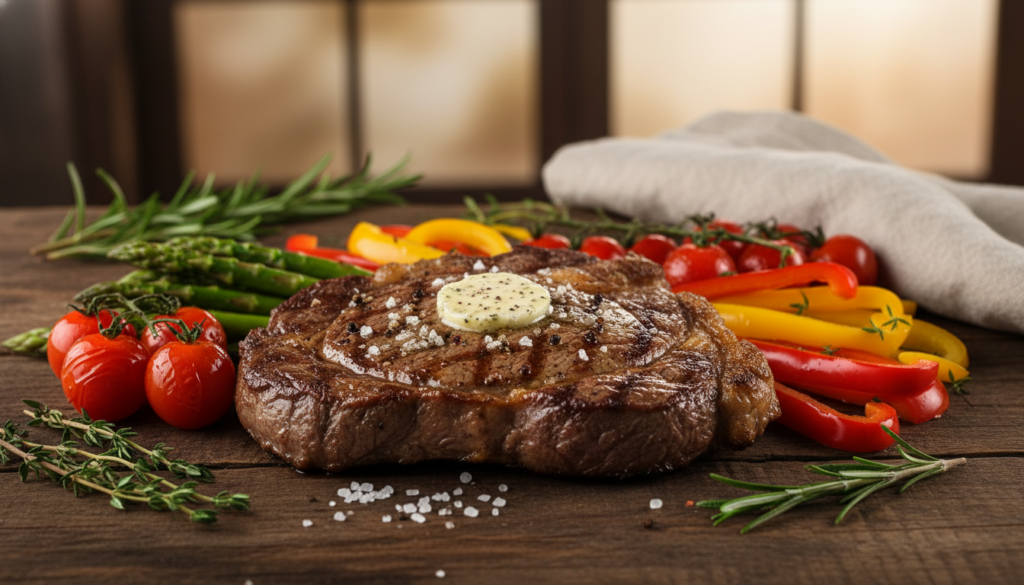
When you prepare a juicy rib eye, you want sides that provide a clean contrast to the intense marbling of the meat. Roasted vegetables are often the best choice because they offer a slight sweetness and a pleasant crunch.
- Baked Potatoes: A classic choice that absorbs the savory juices of the meat.
- Roasted Broccoli: The charred edges add a smoky depth that pairs beautifully with seared beef.
- Fresh Green Beans: Lightly sautéed with garlic, these provide a crisp, refreshing finish to each bite.
Wine and Beverage Recommendations
Choosing the right beverage is just as important as the food on your plate. A bold red wine, such as a Cabernet Sauvignon or a Malbec, works wonders by cutting through the richness of the fat.
If you prefer non-alcoholic options, consider a sparkling mineral water with a twist of lime. This helps cleanse the palate, ensuring that the flavor of your beef steak remains vibrant throughout the entire meal.
| Side Dish | Flavor Profile | Best Beverage Pairing |
|---|---|---|
| Baked Potato | Creamy and Starchy | Cabernet Sauvignon |
| Roasted Broccoli | Earthy and Charred | Malbec |
| Green Beans | Crisp and Fresh | Sparkling Water |
Conclusion
Mastering the preparation of an imported rib eye transforms your kitchen into a professional steakhouse. This journey relies on your ability to select the finest cuts and treat them with respect during the cooking process.
You can refine your skills by learning how to choose premium ingredients for teppanyaki to ensure every meal reaches its full potential. Quality sourcing remains the most vital step in achieving that signature buttery texture and deep flavor profile.
Consistent practice allows you to develop an intuitive sense for heat management and timing. Your guests will appreciate the care you put into every sear and rest period. Embrace these techniques to serve restaurant-quality meals that highlight the natural beauty of high-end beef.
Keep exploring new flavor combinations and side dishes to keep your culinary repertoire fresh. Every steak you prepare serves as an opportunity to sharpen your craft and delight those at your table. Enjoy the process of creating memorable dining experiences in your own home.