
Introduction to Hosting a Teppanyaki Dinner Party
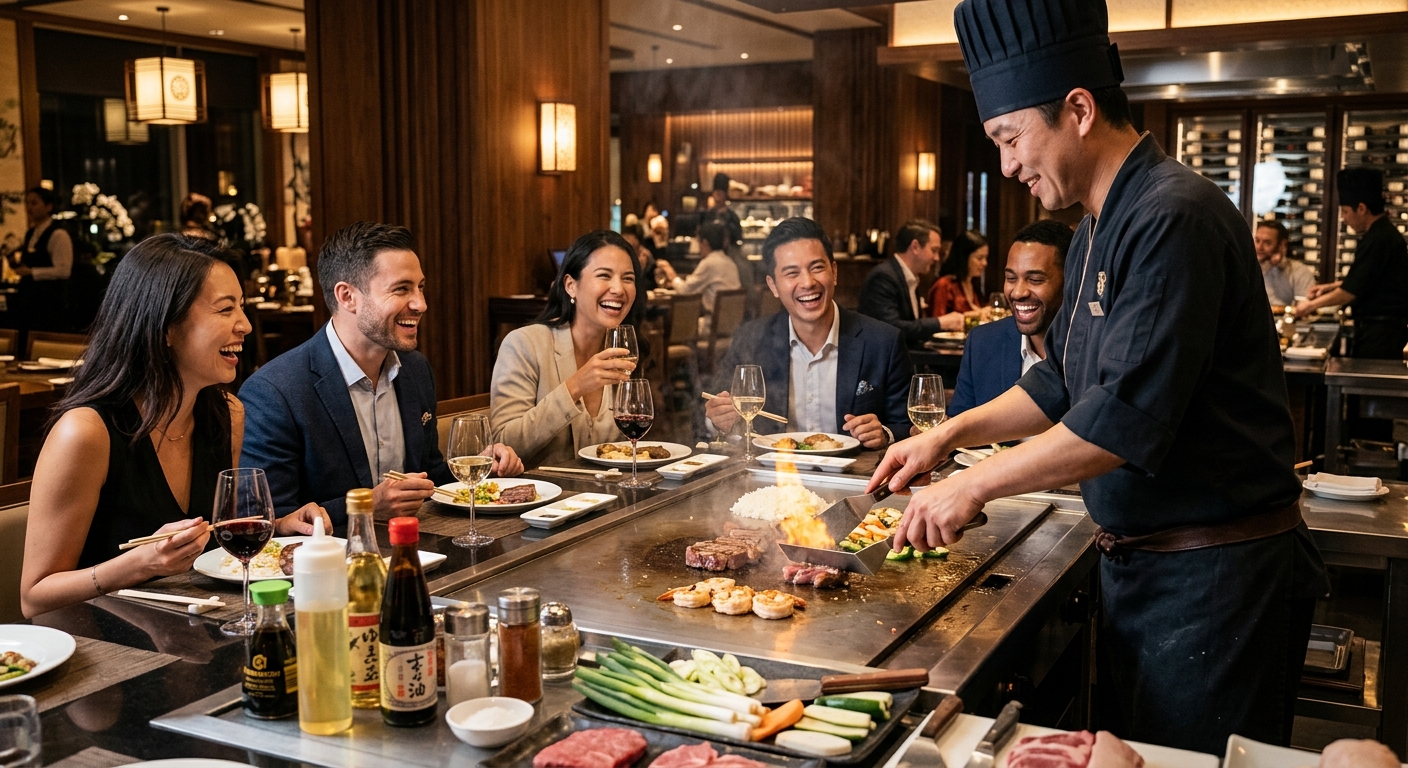
Hosting a teppanyaki dinner party is an exceptional way to bring friends and family together for an interactive, flavorful, and memorable dining experience. Unlike traditional dinner parties where the host is confined to the kitchen, a teppanyaki party places the chef at the center of the action. By cooking on a large iron griddle directly in front of your guests, you can showcase your culinary skills, entertain, and serve mouth-watering dishes right off the grill.
In this comprehensive guide, we will explore the essential steps to hosting a successful teppanyaki dinner party. We will cover the necessary equipment, ingredient selection, preparation techniques, and even when to consider hiring professional caterers. Whether you are aiming for a casual backyard gathering or a sophisticated culinary event, mastering the art of teppanyaki at home is a rewarding endeavor.
Essential Equipment for Home Teppanyaki
The cornerstone of any teppanyaki party is the grill itself. The word “teppanyaki” translates to “grilling on an iron plate.” Therefore, investing in the right equipment is crucial.
The Teppanyaki Grill
For home use, you have several options depending on your space and budget. Electric tabletop teppanyaki grills are excellent for indoor use and small gatherings. They are portable, easy to clean, and plug into standard outlets. For outdoor events, large gas-powered flat-top grills or griddles provide a larger cooking surface and higher heat capacity, ideal for entertaining a larger crowd.
Necessary Utensils
- Spatulas: You will need at least two long, flat metal spatulas for flipping, chopping, and maneuvering food on the grill.
- Scraper: A heavy-duty grill scraper is essential for cleaning the cooking surface between courses.
- Squeeze Bottles: Use these for oils, soy sauce, water, and homemade sauces to easily dispense liquids during cooking.
- Tongs: Useful for handling larger pieces of meat or serving.
- Chef’s Knife: A sharp knife is necessary for precise prep work before cooking begins.
Selecting Ingredients and Planning the Menu
A classic teppanyaki menu consists of multiple courses, typically starting with appetizers and progressing through vegetables, seafood, meat, and rice. The key to success is high-quality, fresh ingredients.
Meats and Seafood
Proteins are the star of the show. Popular choices include chicken breast, shrimp, scallops, and high-grade beef. If you want to elevate your party, consider serving premium beef. For an exceptional culinary experience, you can follow this Wagyu Steak Teppanyaki Recipe at Home: The Ultimate Guide. Wagyu’s rich marbling and tenderness make it a perfect candidate for the quick, high-heat cooking of teppanyaki.
Vegetables and Sides
Vegetables not only add color and nutrition but also absorb the delicious flavors of the grill. Standard teppanyaki vegetables include zucchini, onions, mushrooms, carrots, and bean sprouts. Garlic butter and soy sauce are typically used to season these vegetables.
Fried rice is a teppanyaki staple and usually serves as a highly anticipated course. Preparing fried rice on the grill allows for dramatic tossing and the inclusion of eggs, vegetables, and savory sauces.
To help you decide between different protein options for your party, here is a comparison of popular teppanyaki meats:
| Protein Type | Prep Time | Cooking Heat | Recommended Seasoning |
|---|---|---|---|
| Wagyu Beef | 15 mins | High | Salt, Pepper, Garlic Butter |
| Chicken Breast | 20 mins | Medium-High | Soy Sauce, Teriyaki Sauce |
| Jumbo Shrimp | 10 mins | Medium | Lemon, Butter, Soy Sauce |
| Sea Scallops | 10 mins | High | Butter, White Wine, Lemon |
Preparation: The Key to a Smooth Event
Because the cooking happens live in front of your guests, all preparation must be completed before the first person arrives. Teppanyaki cooking moves quickly, and you will not have time to chop vegetables or mix sauces once the grill is hot.
- Mise en Place: Chop all vegetables, slice all meats (ensure chicken is cut into bite-sized pieces), and peel the shrimp. Arrange everything on platters near the grill.
- Sauce Preparation: Prepare your dipping sauces in advance. Classic options include a ginger sauce for vegetables and seafood, and a mustard sauce for meats. Have these ready in small individual bowls for each guest.
- Rice: If making fried rice on the grill, pre-cook the white rice at least a day in advance. Cold, day-old rice fries much better than fresh, warm rice, preventing a mushy texture.
The Art of Teppanyaki Entertainment
Part of the charm of a teppanyaki dinner is the showmanship. While you do not need to be a professional flair chef, adding a little theatricality makes the evening special.
Engaging Your Guests
Simple tricks can impress your guests without requiring years of training. Creating an “onion volcano” by stacking rings of onion, adding oil and high-proof alcohol, and lighting it safely creates a fantastic visual. Tossing a shrimp tail into your chef’s hat or attempting the classic “egg roll” on the spatula adds a lighthearted, fun element to the meal.
When to Consider Professional Catering
While hosting and cooking can be incredibly rewarding, it can also be exhausting, especially for larger groups. If you want to enjoy the party without the stress of cooking and performing, hiring a professional teppanyaki or hibachi caterer is a fantastic alternative.
When searching for a caterer, it is crucial to ensure they are reputable and properly covered for liability, especially when open flames are involved. For residents in Southern California, you might find The Comprehensive Guide to Licensed and Insured Hibachi Catering in Calabasas incredibly useful for understanding what to look for in a professional service.
Hiring a service from a company like Fujioka Teppanyaki ensures that you receive restaurant-quality food and professional entertainment right in your backyard. If you are looking for inspiration on what makes a great Japanese dining experience, reading about Discovering Hidden Gem Japanese Restaurants in Los Angeles can give you ideas on ambiance and flavor profiles to aim for, whether you cook yourself or hire pros.
Conclusion
Hosting a teppanyaki dinner party is a unique and engaging way to entertain guests. By investing in the right equipment, preparing high-quality ingredients meticulously, and embracing the interactive nature of the cooking process, you can create an unforgettable dining experience. Whether you choose to don the chef’s hat yourself or bring in professional caterers for a stress-free evening, the combination of sizzling food and lively entertainment guarantees a successful event.
Frequently Asked Questions
What kind of oil should I use for a teppanyaki grill?
It is best to use an oil with a high smoke point, such as vegetable oil, canola oil, avocado oil, or safflower oil. Olive oil and butter burn too easily at the high temperatures required for teppanyaki cooking, though butter can be added at the very end of cooking for flavor.
Can I host a teppanyaki party indoors?
Yes, but it is highly recommended to use an electric tabletop grill designed for indoor use to minimize smoke. Ensure your dining area is well-ventilated, and keep a window open or a fan running if necessary to handle the cooking fumes.
How do I clean my teppanyaki grill after the party?
While the grill is still warm (but not blazing hot), use a grill scraper to remove food residue. Pour a little water on the surface to loosen stubborn bits, scrape again, and wipe down with a thick cloth or paper towels. Once clean and cooled, apply a light coat of cooking oil to protect the iron surface from rust.
One response to “How to Host a Teppanyaki Dinner Party: A Professional Guide”
[…] West Hollywood and Beverly Hills are the epicenters of luxury dining. Here, outdoor dining often means lush, garden-like settings, complete with twinkling string lights, plush seating, and impeccable service. These areas are ideal for celebrity spotting and enjoying high-end culinary creations. If you are ever interested in recreating a luxurious dining experience at home, you might want to learn How to Host a Teppanyaki Dinner Party: A Professional Guide. […]