
Introduction to the Los Angeles Japanese Culinary Scene
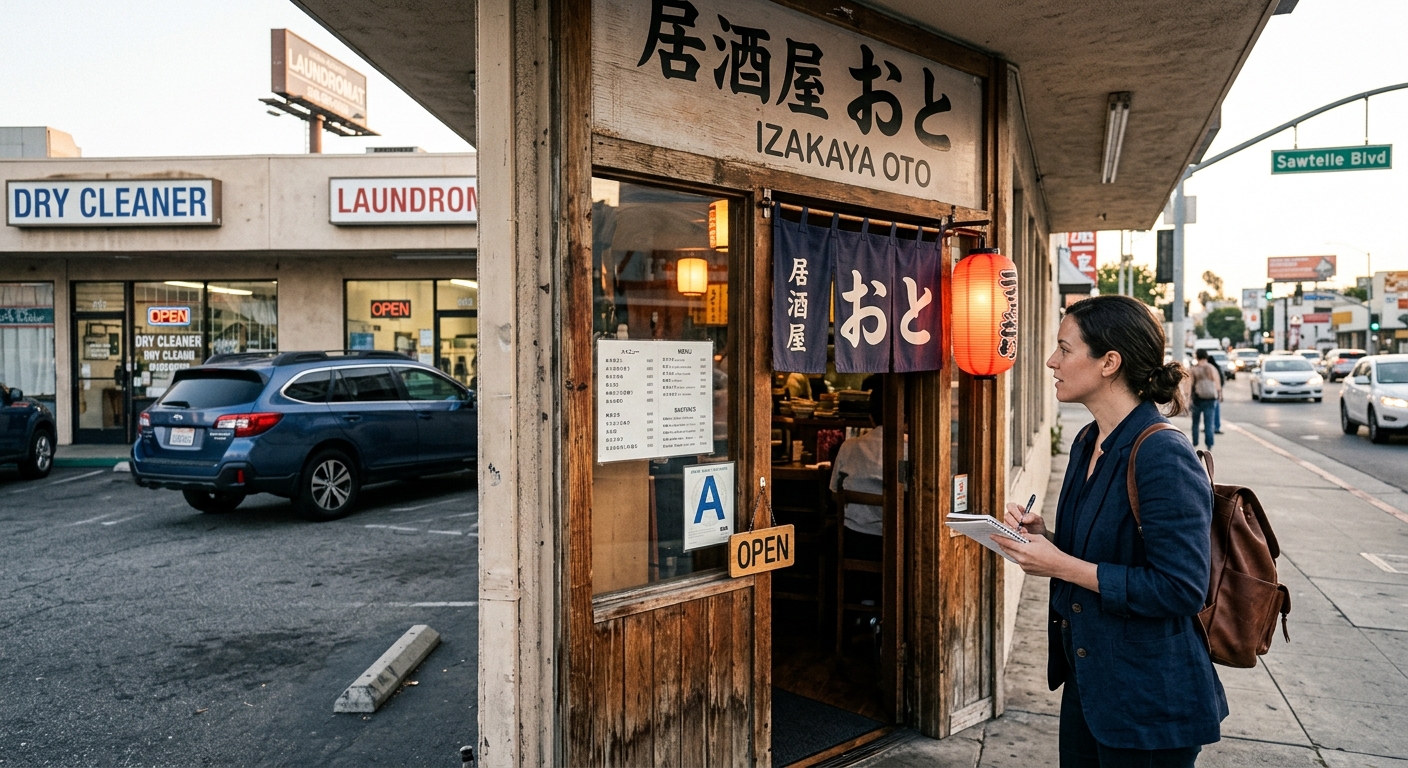
Los Angeles is widely recognized as one of the premier culinary destinations in the world, and its Japanese food scene is no exception. While neighborhoods like Little Tokyo, Sawtelle Japantown, and the South Bay boast an impressive array of well-known establishments, the true magic often lies in the hidden gem Japanese restaurants scattered throughout the city. These understated, tucked-away eateries—often located in unassuming strip malls, behind unmarked doors, or in quiet suburban neighborhoods—offer some of the most authentic, innovative, and deeply satisfying dining experiences available outside of Japan.
For the discerning food enthusiast, seeking out these hidden gems is an adventure in itself. It requires looking beyond the flashy signs and heavily marketed hotspots to find places where chefs dedicate their lives to perfecting traditional techniques. Whether you are craving an intimate omakase experience, comforting bowls of artisan ramen, sizzling yakitori, or the theatrical flair of teppanyaki, Los Angeles holds secret culinary treasures waiting to be discovered. This comprehensive guide will delve into the diverse landscape of hidden Japanese dining in LA, offering insights into what makes these establishments so special and how you can experience the best of Japanese cuisine both in restaurants and in the comfort of your own home.
The Allure of the Izakaya: LA’s Secret Pub Culture
In Japan, an izakaya is an informal gastropub where people gather after work to drink and share small plates of food. In Los Angeles, hidden izakayas have cultivated a dedicated following among locals who appreciate the relaxed atmosphere and diverse menus. These spots are rarely visible from the main street. Instead, you might find them tucked behind a heavy wooden door in a seemingly abandoned plaza in the San Fernando Valley or hidden on the second floor of a commercial building in Downtown LA.
What sets these hidden izakayas apart is their unwavering commitment to authenticity. Menus often feature items rarely found in mainstream sushi restaurants, such as chicken cartilage yakitori (nankotsu), grilled yellowtail collar (hamachi kama), and deep-fried octopus (tako karaage). The chefs at these establishments often source their ingredients directly from specialized fish markets, ensuring that every dish reflects the seasonal availability of seafood and produce. Pairing these tapas-style dishes with a curated selection of regional sakes or Japanese craft beers transforms a simple meal into an immersive cultural experience. The intimacy of these small dining rooms fosters a sense of community, allowing diners to converse with the chefs and learn about the origins of the food they are enjoying.
Uncovering LA’s Best-Kept Omakase Secrets
Omakase, which translates to “I’ll leave it up to you,” is the pinnacle of Japanese dining, where the chef curates a multi-course tasting menu based on the freshest ingredients of the day. While LA is home to numerous high-end, Michelin-starred omakase restaurants with months-long waiting lists, the city also harbors hidden omakase gems that offer equally transcendent experiences without the pretense or exorbitant price tags.
These clandestine sushi bars are often incredibly small, sometimes seating no more than six to eight guests at a time. The focus here is entirely on the quality of the fish and the precision of the chef’s knife skills. In these hidden spaces, you will experience Edomae-style sushi at its finest. This traditional method involves treating the fish—whether through aging, curing with kelp (kobujime), or lightly searing (aburi)—to enhance its natural umami flavors. The rice (shari) is carefully seasoned with red vinegar (akazu), served at body temperature to perfectly contrast the cool fish. Dining at a hidden omakase spot in Los Angeles is a deeply personal experience, offering a front-row seat to culinary artistry that rivals the finest sushi counters in Ginza, Tokyo.
Beyond Sushi: The Sizzling World of Teppanyaki and Hibachi
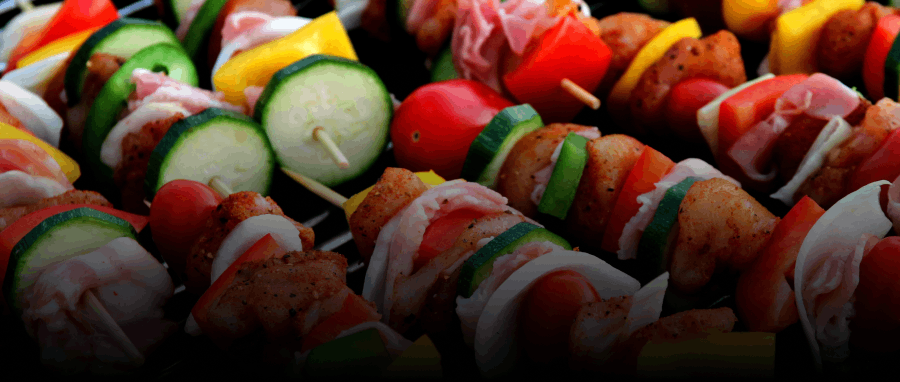
While sushi and ramen often dominate the conversation surrounding Japanese food in Los Angeles, the interactive and highly skilled art of teppanyaki and hibachi cooking holds a special place in the hearts of many diners. Teppanyaki, which involves grilling food on an iron plate, is both a culinary delight and a visual spectacle. Finding a hidden gem teppanyaki restaurant often means discovering a neighborhood spot where the chef’s personality and grilling mastery shine brighter than the neon lights of commercialized chains.
For those who want to take this experience to the next level, bringing the excitement of Japanese grilling to private events has become a massive trend. If you want to impress your guests with a spectacular private dinner, consulting The Ultimate Guide to Finding the Best Hibachi Chef for Hire in Los Angeles provides invaluable advice on sourcing the most entertaining and talented chefs in the city. These professionals transform backyards into exclusive dining rooms, performing impressive knife tricks and fire shows while cooking premium meats and seafood to perfection.
For the home chef looking to replicate these bold flavors, learning the secrets of the iron grill is a rewarding challenge. Seafood is a staple of this cooking style, and Mastering the Ultimate Teppanyaki Grilled Lobster and Scallops Recipe will teach you how to achieve that perfect buttery, garlic-infused crust that melts in your mouth. Of course, executing a flawless teppanyaki party for a large group can be daunting. Residents in the broader Southern California area often seek out expert teppanyaki catering to ensure their celebrations are flawless. If your event is located south of LA county, you can seamlessly Elevate Your Event: Backyard Teppanyaki Party Catering in Orange County with specialized services that bring the entire restaurant experience right to your patio.
Traditional Noodle Houses: Udon, Soba, and Ramen
No exploration of hidden Japanese restaurants would be complete without delving into the comforting world of noodle houses. While massive ramen chains have popularized tonkotsu broth across the city, the true hidden gems are the artisan shops specializing in handcrafted noodles. Tucked away in quiet corners of Torrance or Gardena, you can find multigenerational families serving bowls of pristine, delicate soba made from freshly milled buckwheat, or chewy, thick sanuki udon wading in complex dashi broths.
These noodle shops often operate with limited hours, closing their doors as soon as the daily batch of noodles runs out. This dedication to freshness and quality control is a hallmark of authentic Japanese gastronomy. The broths at these hidden gems simmer for hours, sometimes days, developing a depth of flavor that cannot be rushed. Whether you are slurping a bowl of rich, chicken-based paitan ramen or enjoying zaru soba dipped in a cold tsuyu sauce on a hot Los Angeles afternoon, these hidden noodle houses offer a comforting, soulful escape from the bustling city.
What to Expect: Etiquette at Hidden Japanese Eateries
Visiting a traditional, hidden gem Japanese restaurant often means adhering to certain cultural norms and etiquette. These unwritten rules are meant to show respect to the chef and enhance your dining experience. Below is a helpful guide to common practices you should observe.
| Etiquette Practice | Description | Why It Matters |
|---|---|---|
| Using Chopsticks Correctly | Never rub chopsticks together, point with them, or stick them vertically into a bowl of rice. | Sticking chopsticks vertically resembles incense at a funeral, which is considered highly disrespectful. |
| Consuming Sushi Promptly | When served a piece of omakase sushi, eat it within seconds of it being placed in front of you. | The chef carefully controls the temperature of the rice and the fish; waiting ruins this delicate balance. |
| Soy Sauce Usage | Do not drown your food in soy sauce. For sushi, dip the fish side, not the rice. | Overusing soy sauce masks the natural flavors of the high-quality ingredients the chef has sourced. |
| Tipping Culture | While tipping is standard in LA, be respectful of the staff. Some highly traditional spots may include a service charge automatically. | Shows appreciation for the meticulous service standard in Japanese hospitality (Omotenashi). |
Conclusion
Los Angeles is a treasure trove of culinary excellence, but the city’s hidden gem Japanese restaurants represent the beating heart of its diverse food culture. By venturing off the beaten path, diners can uncover extraordinary izakayas, transcendent omakase counters, artisan noodle houses, and sizzling teppanyaki grills that offer far more than just a meal. These establishments offer a window into Japanese tradition, meticulous craftsmanship, and unparalleled hospitality. Whether you are seeking a quiet, intimate dinner or looking to bring the fiery excitement of a hibachi grill to your own backyard, the hidden Japanese gems of Los Angeles promise unforgettable flavors and memories that will last a lifetime.
Frequently Asked Questions
What makes a Japanese restaurant a “hidden gem”?
A hidden gem is typically a restaurant that is not heavily advertised, often located in unassuming areas like strip malls or residential neighborhoods. They prioritize high-quality, authentic food and traditional techniques over flashy aesthetics or social media trends.
Do I need reservations for hidden omakase spots in LA?
Yes, almost always. Because these hidden omakase counters are usually very small (often seating under 10 people), and the chefs purchase highly specialized fish based on a precise headcount, reservations are essential and sometimes need to be made weeks in advance.
Can I hire a teppanyaki chef for a private party in Los Angeles?
Absolutely. Private teppanyaki and hibachi catering has become highly popular. Professional chefs can bring portable grills, premium ingredients, and their entertaining cooking shows directly to your backyard for private events and celebrations.
Are hidden gem Japanese restaurants more expensive?
It varies widely. Hidden izakayas and noodle houses can be incredibly affordable and offer great value. However, hidden omakase sushi spots can be quite expensive due to the high cost of importing premium seafood directly from Japan.
2 responses to “Discovering Hidden Gem Japanese Restaurants in Los Angeles”
[…] In this comprehensive guide, we will explore the best sushi spots in the San Fernando Valley, highlighting what makes each location unique, their standout dishes, and the overall dining experience they provide. If you are interested in exploring further afield, consider Discovering Hidden Gem Japanese Restaurants in Los Angeles. […]
[…] your home cooking. If you are looking to explore professional culinary experiences, consider Discovering Hidden Gem Japanese Restaurants in Los Angeles for […]