
Introduction to Hosting a Hibachi Party at Home
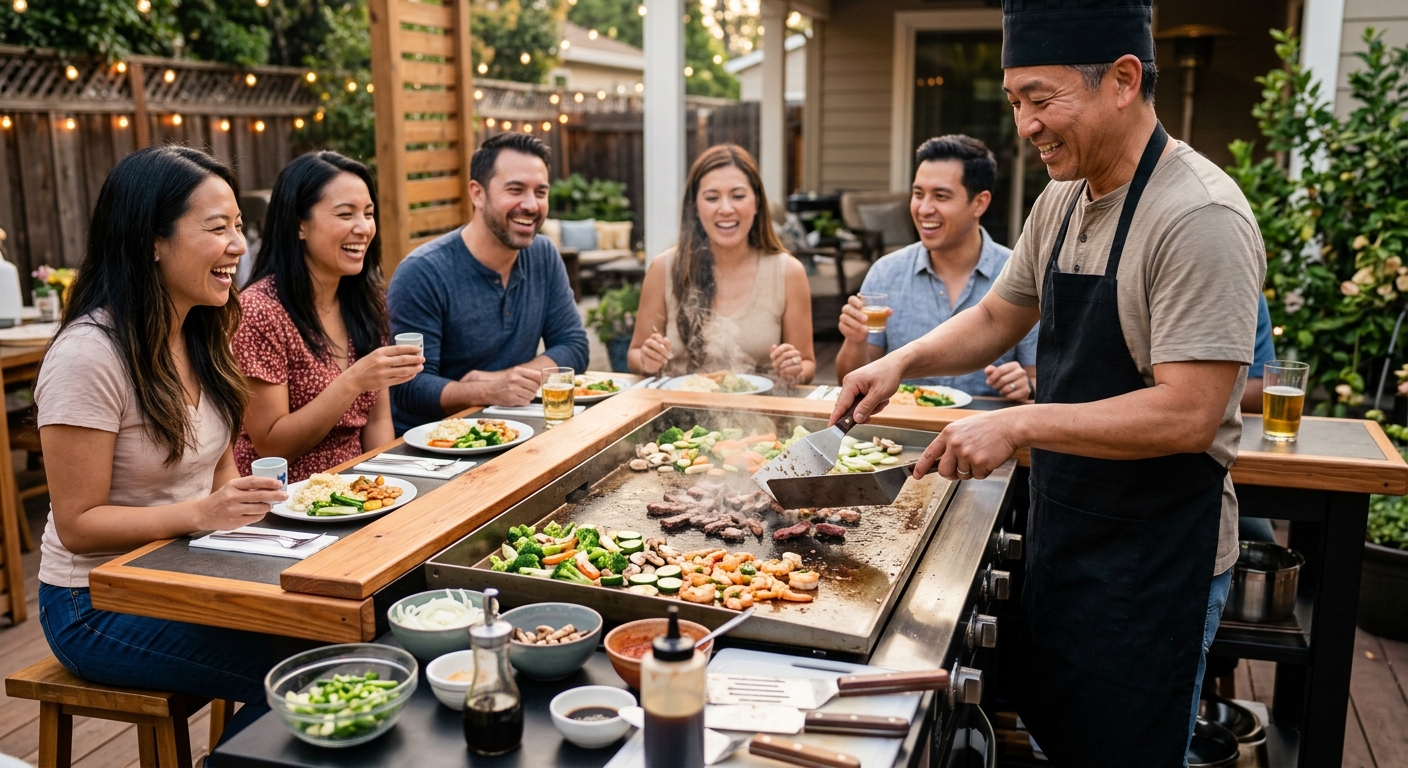
Hosting a hibachi party at home is a fantastic way to bring the excitement and flavors of a Japanese steakhouse right to your backyard. Whether you are celebrating a birthday, a graduation, or simply looking to gather friends and family for an unforgettable meal, a hibachi party offers both interactive entertainment and delicious food. In this comprehensive guide, we will walk you through everything you need to know about planning, preparing, and executing the perfect hibachi experience at home.
The Appeal of the Hibachi Experience
The term “hibachi” traditionally refers to a small heating device, but in the United States, it has become synonymous with teppanyaki-style cooking, where a chef prepares meals on a large, flat iron griddle in front of guests. The appeal of a hibachi party lies in its combination of culinary skill, theatrical performance, and fresh, flavorful ingredients. Bringing this experience to your home allows you to enjoy the spectacle in a private, comfortable setting without the noise and rush of a crowded restaurant. If you love the ambiance of Japanese dining, you might also want to Discover the Best Japanese Restaurants in Downtown LA: A Culinary Guide for further inspiration on authentic flavors and presentations.
Essential Equipment for a Home Hibachi Party
To successfully host a hibachi party, you need the right equipment. The centerpiece is, of course, the grill. While professional teppanyaki grills are built-in, you can achieve great results with a portable flat-top grill or a large cast-iron griddle placed over your existing barbecue or stovetop.
The Grill
A gas-powered flat-top grill is ideal for outdoor parties, as it provides an even, high-heat cooking surface necessary for searing meats and quickly cooking vegetables and fried rice. Popular brands offer excellent consumer-grade options that mimic the professional teppanyaki experience.
Cooking Tools
In addition to the grill, you will need a set of specialized tools:
- Spatulas: Two large, sturdy stainless steel spatulas are essential for flipping, tossing, and chopping ingredients directly on the grill.
- Scraper: A heavy-duty scraper helps clean the grill surface between courses, ensuring flavors do not clash.
- Squeeze Bottles: Use these for oils, soy sauce, water, and various cooking liquids. They allow for quick, precise application during the fast-paced cooking process.
- Cloche (Dome Cover): A metal dome cover is useful for steaming vegetables or melting cheese by trapping heat and moisture.
- Sharp Knives: While most chopping should be done beforehand, a sharp knife is necessary for final prep.
Planning Your Hibachi Menu
A traditional hibachi meal consists of several courses, including a soup or salad, an appetizer, fried rice, vegetables, and the main proteins. Careful planning and preparation are crucial to ensure a smooth flow during the party.
Appetizers and Sides
Start the meal with a clear onion soup or a crisp salad dressed with a ginger-carrot dressing. For appetizers, consider serving edamame or gyoza (pan-fried dumplings).
The Main Event: Proteins and Vegetables
Variety is key when it comes to the main courses. Offer a selection of proteins to accommodate different tastes and dietary restrictions. Popular options include:
- Steak: Thinly sliced sirloin, ribeye, or filet mignon.
- Chicken: Boneless, skinless chicken breasts or thighs, cut into bite-sized pieces.
- Seafood: Shrimp, scallops, and salmon are excellent choices that cook quickly on the flat top.
- Tofu: Firm tofu is a great vegetarian option that absorbs flavors beautifully.
Accompany the proteins with a medley of vegetables, such as zucchini, onions, mushrooms, broccoli, and carrots. Chop all vegetables uniformly to ensure even cooking.
Hibachi Fried Rice
Fried rice is often the highlight of a hibachi meal. Cook it on the grill using day-old rice, eggs, diced vegetables (peas, carrots, onions), soy sauce, and a touch of butter for that authentic steakhouse flavor.
Signature Sauces
No hibachi meal is complete without dipping sauces. Prepare a zesty mustard sauce for chicken and steak, and a creamy ginger sauce or “yum yum” sauce for seafood and vegetables.
Setting the Scene: Ambiance and Decor
Creating the right atmosphere is just as important as the food. Set up your dining area around or near the grill so guests can watch the action. Use Japanese-inspired decor, such as paper lanterns, bamboo runners, and minimalist tableware, to enhance the theme. Play upbeat, energetic music to complement the lively nature of teppanyaki cooking.
DIY vs. Hiring a Professional Private Chef
When hosting a hibachi party, you have two primary options: manning the grill yourself or hiring a professional. Cooking for a crowd on a flat-top grill can be challenging, especially if you are not experienced with the high-heat, fast-paced techniques required.
If you want to relax and enjoy the party alongside your guests, hiring a private chef is an excellent investment. A professional chef brings not only culinary expertise but also the entertaining tricks—like the onion volcano, egg juggling, and sake squirts—that make hibachi so much fun. For those residing in Southern California, exploring the Best Backyard Hibachi Catering in Los Angeles: The Ultimate Guide can help you find top-tier professionals to elevate your event. Additionally, reading the Private Hibachi Chef Backyard Party Los Angeles: Ultimate Guide provides valuable insights into what to expect and how to prepare for a catered backyard experience. For a reliable and entertaining chef service, consider booking through Fujioka Teppanyaki to ensure a memorable event.
Step-by-Step Guide to Cooking Hibachi at Home
If you decide to take on the role of the chef, follow this step-by-step guide to keep the meal organized and impressive.
1. Prep Work (Mise en Place)
Before the guests arrive, have all your ingredients chopped, measured, and arranged in bowls near the grill. Fill your squeeze bottles with oil, soy sauce, and water. Preparation is critical because flat-top cooking happens very quickly.
2. Heat the Grill
Preheat your griddle to medium-high heat. You want different temperature zones if possible: a hot zone for searing meats and a cooler zone for holding cooked food or gently cooking delicate items.
3. The Fried Rice Performance
Begin with the fried rice, as it holds its heat well and sets the stage for the rest of the meal. Oil the grill, scramble the eggs, add the vegetables, and then incorporate the rice. Use your spatulas to toss the ingredients rapidly, seasoning with soy sauce and butter.
4. Searing the Proteins
Move the cooked rice to a cooler part of the grill or a serving dish. Clean the hot surface with your scraper and apply fresh oil. Add your proteins. Start with chicken and pork, which require longer cooking times, followed by steak, and finally seafood. Season generously with salt, pepper, and a splash of soy sauce or teriyaki glaze.
5. Cooking the Vegetables
While the proteins are cooking, add the vegetables to the grill. Toss them with oil, soy sauce, and a little butter. If they need to soften further, squirt some water on the grill and cover them with the cloche to steam for a minute or two.
6. Plating and Serving
Serve the food hot off the grill directly onto your guests’ plates. Encourage them to use the dipping sauces you prepared earlier.
Safety Tips for Backyard Hibachi
Cooking with high heat, oil, and open flames requires attention to safety. Keep these tips in mind:
- Fire Extinguisher: Always have a fire extinguisher nearby when grilling.
- Clear Space: Ensure the grill is set up on a stable surface away from flammable materials, overhangs, and high-traffic areas.
- Food Safety: Keep raw meats separate from vegetables and cooked foods to prevent cross-contamination. Use separate cutting boards and utensils during prep.
- Managing Flare-ups: Use water from your squeeze bottle to manage the grill temperature and tame minor flare-ups safely.
Sample Hibachi Party Schedule
To help you visualize the flow of your event, here is a sample timeline:
| Time | Activity |
|---|---|
| 4:00 PM | Complete all ingredient prep; set up the dining area and grill station. |
| 5:30 PM | Guests arrive; serve drinks, clear soup, and salads. |
| 6:15 PM | Preheat the grill and gather guests around the cooking area. |
| 6:30 PM | Begin cooking: Start with the fried rice and onion volcano trick. |
| 6:45 PM | Cook vegetables and proteins; serve hot directly to plates. |
| 7:30 PM | Clear plates; serve a light dessert like green tea ice cream or mochi. |
Conclusion
Hosting a hibachi party at home is an extraordinary way to celebrate and connect with loved ones. It combines the joy of a shared meal with the thrill of live culinary entertainment. By investing in the right equipment, planning a comprehensive menu, and deciding whether to tackle the grill yourself or hire a professional, you can create a safe, seamless, and spectacular dining experience. Embrace the theatrical nature of teppanyaki, focus on fresh ingredients, and your backyard hibachi party is sure to be talked about for years to come.
Frequently Asked Questions (FAQ)
What kind of grill do I need to host a hibachi party?
You need a flat-top grill or a large cast-iron griddle. Portable gas flat-top grills (like those made by Blackstone or Camp Chef) are highly recommended for outdoor backyard parties because they provide the large, flat, even-heating surface required for teppanyaki-style cooking.
Can I host a hibachi party indoors?
While it is possible to use an electric griddle indoors, it is generally recommended to host hibachi parties outdoors. The high-heat cooking involves oil, which can create significant smoke and splatter, making proper ventilation essential. Outdoor settings are safer and easier to clean.
How do I make the famous “yum yum” sauce?
Yum yum sauce is a mayonnaise-based dipping sauce. A basic recipe includes mayonnaise, melted butter, tomato paste or ketchup, a splash of water, garlic powder, paprika, and a pinch of sugar. Whisk the ingredients together and let the sauce chill in the refrigerator for a few hours before serving to allow the flavors to meld.
Is it expensive to hire a private hibachi chef?
The cost of hiring a private hibachi chef varies depending on your location, the menu selected, and the number of guests. Generally, prices range from $50 to $100+ per person. While it is an added expense, it provides a stress-free, highly entertaining experience, making it a worthwhile investment for special occasions.
One response to “How to Host a Hibachi Party at Home: A Complete Guide”
[…] to entertain a large group and want to make the experience truly memorable, consider exploring How to Host a Hibachi Party at Home: A Complete Guide to perfect your hosting […]