
Introduction to Teppanyaki Style Grilled Shrimp
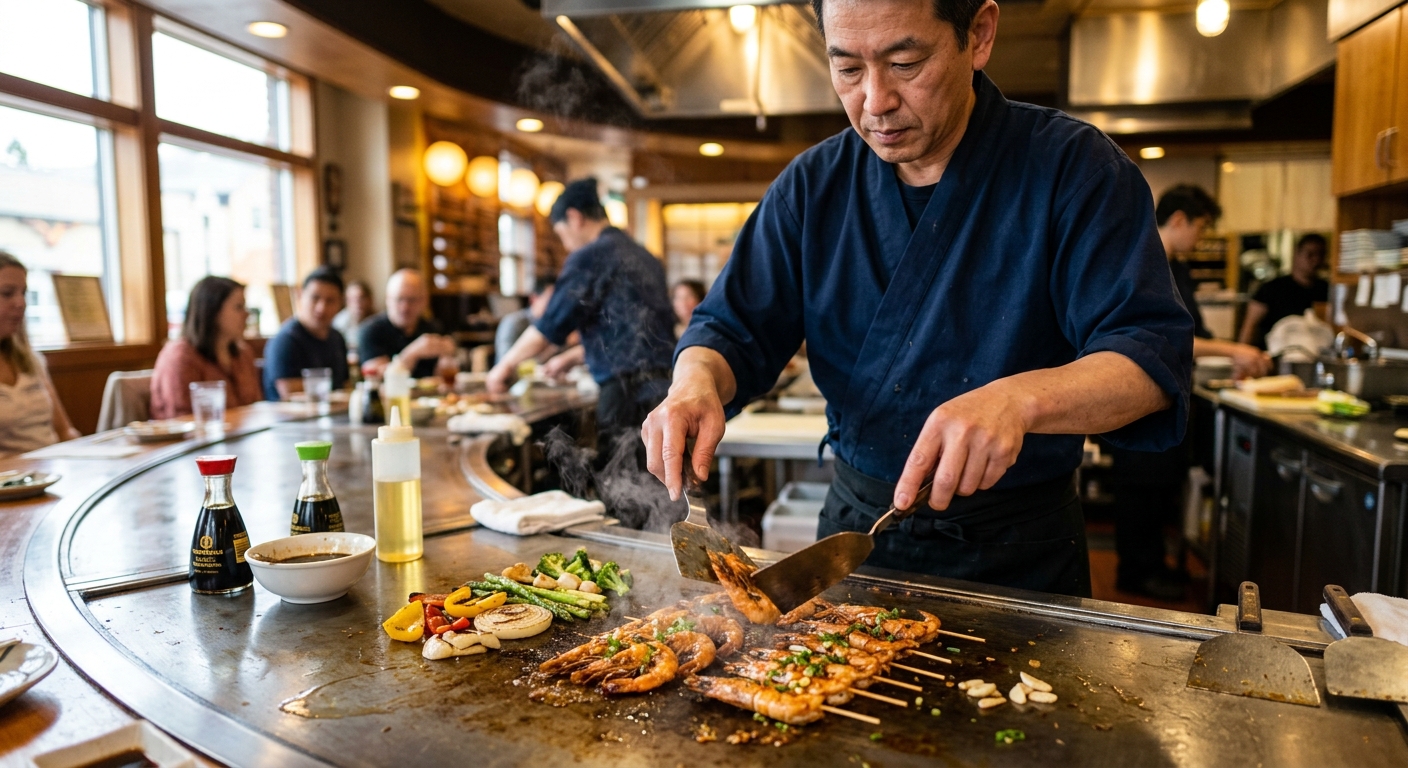
Teppanyaki style grilling brings the exciting, flavorful, and dynamic world of Japanese steakhouse cooking straight to your kitchen or backyard. Originating in Japan, “teppan” translates to iron plate, and “yaki” means grilled, broiled, or pan-fried. The method relies on high heat and a flat surface to quickly sear ingredients while locking in their natural juices. Today, we are focusing on a beloved favorite: teppanyaki style grilled shrimp.
Creating an authentic teppanyaki experience is about more than just the food; it is about the preparation, the quality of the ingredients, and the shared joy of dining. For those looking to elevate their dining experiences even further, hiring professionals can be a game-changer. For example, reading The Ultimate Guide to Los Angeles Private Dinner Party Catering can provide excellent insights into hosting flawless events.
The Secret to Perfect Teppanyaki Shrimp
The key to perfect teppanyaki shrimp lies in the marinade, the cooking surface, and the heat. You want to achieve a beautiful sear on the outside while maintaining a tender, juicy interior. Overcooking shrimp is a common pitfall, but with the right technique, you can master this dish.
Essential Ingredients
- Large Shrimp: 1 pound (16-20 count), peeled and deveined, tails on.
- Vegetable Oil or Canola Oil: 2 tablespoons (for high heat grilling).
- Soy Sauce: 3 tablespoons (use low sodium if preferred).
- Garlic: 3 cloves, finely minced.
- Ginger: 1 teaspoon, freshly grated.
- Butter: 2 tablespoons (unsalted).
- Lemon Juice: 1 tablespoon, freshly squeezed.
- Sesame Seeds: 1 teaspoon, toasted (for garnish).
- Green Onions: 2, finely sliced (for garnish).
Preparing the Shrimp
Start by ensuring your shrimp are properly cleaned. Leaving the tails on adds to the visual appeal and makes them easier to handle if serving as appetizers. In a mixing bowl, combine the soy sauce, minced garlic, and grated ginger. Add the shrimp and toss to coat evenly. Let the shrimp marinate for about 15 to 20 minutes. Do not marinate for too long, or the soy sauce will overpower the delicate flavor of the shrimp.
Setting Up Your Teppanyaki Grill
While traditional teppanyaki uses a large, flat iron griddle, you can replicate this at home using a cast-iron skillet, a flat-top grill, or an electric griddle. The goal is a large, flat surface that can hold even, high heat.
If you prefer to leave the grilling to the experts for a special occasion, you might want to look into Private Hibachi Chef Backyard Party Los Angeles: Ultimate Guide. It offers fantastic ideas for bringing the authentic steakhouse vibe right to your home.
Cooking Instructions
Step 1: Heat the Grill
Preheat your teppanyaki grill or cast-iron skillet over medium-high heat. You want the surface to be hot enough to sear the shrimp immediately upon contact. Add the vegetable or canola oil and spread it evenly across the cooking surface.
Step 2: Sear the Shrimp
Remove the shrimp from the marinade, letting excess liquid drip off. Place the shrimp in a single layer on the hot grill. You should hear a satisfying sizzle. Cook the shrimp for about 1.5 to 2 minutes on the first side until they start to turn pink and opaque.
Step 3: Add Butter and Lemon
Flip the shrimp using tongs or a spatula. Immediately add the butter to the grill, allowing it to melt and coat the shrimp. Squeeze the fresh lemon juice over the top. Cook for another 1 to 1.5 minutes until the shrimp are fully cooked through, opaque, and beautifully seared.
Step 4: Garnish and Serve
Remove the shrimp from the heat immediately to prevent overcooking. Transfer to a serving platter and garnish with toasted sesame seeds and sliced green onions. Serve hot, accompanied by your favorite teppanyaki dipping sauces, such as mustard sauce or ginger sauce.
Pairing Your Teppanyaki Shrimp
Teppanyaki shrimp pairs wonderfully with garlic fried rice, grilled vegetables like zucchini, mushrooms, and onions, or a crisp side salad with ginger dressing. Creating a full teppanyaki meal at home is a rewarding culinary adventure.
If you are exploring the broader culinary scene and seeking inspiration from professional establishments, consider Discovering Hidden Gem Japanese Restaurants in Los Angeles. Experiencing professional teppanyaki can provide great ideas for your own home cooking.
Nutritional Profile
Shrimp is not only delicious but also highly nutritious. It is a fantastic source of lean protein, low in calories, and rich in essential nutrients like iodine, selenium, and vitamin B12.
| Nutrient | Amount per Serving (approx.) |
|---|---|
| Calories | 180 kcal |
| Protein | 24g |
| Fat | 8g |
| Carbohydrates | 3g |
| Sodium | 600mg |
The Rise of Mobile Teppanyaki Catering
In recent years, the trend of mobile teppanyaki catering has skyrocketed. It allows hosts to provide an interactive and entertaining dining experience without the stress of cooking. For instance, The Ultimate Guide to Mobile Teppanyaki Catering in Calabasas, CA showcases how these services can transform a standard gathering into an unforgettable event.
Conclusion
Mastering this teppanyaki style grilled shrimp recipe will undoubtedly elevate your home cooking repertoire. With a few simple ingredients, a hot flat surface, and a touch of butter and lemon, you can recreate the magic of a Japanese steakhouse. Whether you are cooking for a weeknight dinner or entertaining guests, these flavorful, juicy shrimp are sure to impress. Remember to monitor the heat, avoid overcooking, and enjoy the dynamic process of teppanyaki grilling.
Frequently Asked Questions (FAQ)
Can I use frozen shrimp for this recipe?
Yes, you can use frozen shrimp. Ensure they are completely thawed before cooking. The best way to thaw shrimp is to leave them in the refrigerator overnight or place them in a colander under cold running water for a few minutes. Pat them completely dry before marinating.
What is the best dipping sauce for teppanyaki shrimp?
Traditional Japanese steakhouses often serve a creamy mustard sauce or a tangy ginger sauce with seafood. Both pair excellently with the buttery, savory flavors of the grilled shrimp.
How do I know when the shrimp are fully cooked?
Shrimp cook very quickly. They are done when they turn from translucent to an opaque pink color and form a loose “C” shape. If they curl into a tight “O” shape, they are likely overcooked and may be tough.
Can I make this on a regular outdoor BBQ grill?
While traditional teppanyaki uses a solid flat surface, you can cook this recipe on an outdoor BBQ grill. However, you should use a grill basket, a cast-iron skillet placed on the grates, or a flat-top grill accessory to prevent the shrimp from falling through and to retain the butter and juices.
One response to “Teppanyaki Style Grilled Shrimp Recipe: A Professional Guide”
[…] you are looking to expand your teppanyaki skills beyond chicken, you might also want to explore a Teppanyaki Style Grilled Shrimp Recipe: A Professional Guide to complement your […]