
Introduction to Teppanyaki Seafood
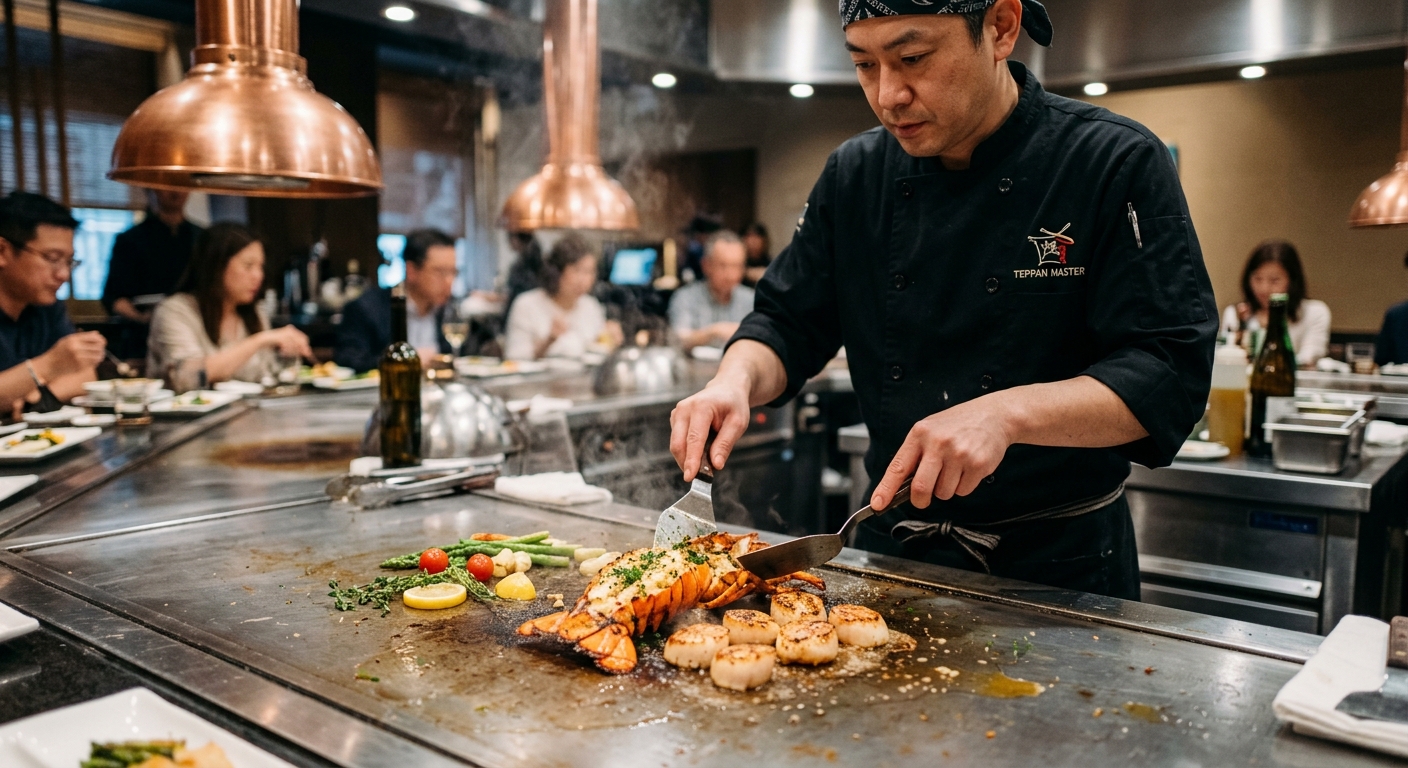
Teppanyaki, a Japanese style of cooking on an iron griddle, is an art form that transforms high-quality ingredients into culinary masterpieces. When it comes to seafood, particularly lobster and scallops, the high heat of the teppanyaki grill sears the outside while keeping the inside succulent and tender. If you have ever been mesmerized by a skilled chef at a teppanyaki restaurant, you know that the experience is as much about the show as it is about the food. However, you do not need to dine out to enjoy this luxury. This comprehensive guide will walk you through a professional-level Teppanyaki Grilled Lobster and Scallop Recipe: A Guide to Perfect Seafood, allowing you to recreate the magic in your own backyard or kitchen.
Creating the perfect teppanyaki seafood dish requires attention to detail, from selecting the freshest ingredients to mastering the heat of your grill. For those seeking inspiration on how professional chefs execute these dishes, exploring the Best Japanese Restaurants Los Angeles: Uncovering Hidden Gems can provide valuable insights into flavor profiles and presentation styles.
Selecting the Best Ingredients
The foundation of any great teppanyaki meal is the quality of the ingredients. Since the seasoning is typically light, the natural flavors of the seafood must shine through.
Lobster Tails
When purchasing lobster tails, look for cold-water lobsters if possible, as they tend to have sweeter, firmer meat compared to warm-water varieties. The tails should have a fresh, briny scent, not a fishy one. If you are using frozen lobster tails, ensure they are completely thawed in the refrigerator overnight before cooking to guarantee even cooking.
Scallops
For grilling on a teppanyaki, you want large sea scallops, often labeled as “U-10” or “U-15” (meaning under 10 or 15 per pound). Look for “dry” scallops, which have not been treated with sodium tripolyphosphate (STP). Wet scallops retain water and will steam rather than sear on the grill, preventing that beautiful caramelized crust. The scallops should be firm to the touch and smell like the ocean.
Essential Teppanyaki Equipment
To successfully prepare a teppanyaki meal, having the right tools is crucial. While a built-in teppanyaki grill is ideal, a high-quality flat-top cast iron griddle or an electric teppanyaki pan can work wonderfully at home.
- Flat-Top Grill or Griddle: A large surface area allows you to cook multiple ingredients simultaneously without overcrowding.
- Teppanyaki Spatulas: You will need two sturdy, flat spatulas for flipping, chopping, and moving ingredients around the grill.
- Grill Dome (Cloche): A stainless steel dome is essential for steaming the lobster tails to ensure they cook through without drying out.
- Squeeze Bottles: Use these for oil, water, soy sauce, and sake to easily control the amounts you add to the grill.
If you prefer to leave the cooking to a professional for a special event, you might consider booking a Private Hibachi Chef Backyard Party Los Angeles: Ultimate Guide to experience authentic teppanyaki at home without the effort.
Preparation and Seasoning
Preparation is key in teppanyaki. Once the cooking starts, it happens quickly, so all ingredients must be prepped and ready to go.
Preparing the Seafood
Lobster: Using kitchen shears, cut down the back of the lobster shell to the tail fin. Gently pry the shell apart and lift the meat out, letting it rest on top of the shell (butterfly style). Remove any dark vein if present. Rinse briefly and pat completely dry with paper towels.
Scallops: Remove the small, tough side muscle from each scallop if it is still attached. Pat the scallops exceptionally dry. Any moisture on the surface will inhibit a good sear.
Seasoning Components
Teppanyaki relies on simple but robust flavorings:
- High-smoke-point oil (such as safflower, grapeseed, or avocado oil)
- Unsalted butter
- Minced garlic (freshly minced)
- Soy sauce (low sodium preferred)
- Lemon juice (freshly squeezed)
- Salt and freshly ground black pepper
- Sake or dry white wine (for deglazing and steaming)
Step-by-Step Cooking Instructions
Cooking teppanyaki style requires managing different heat zones. Usually, the center of the grill is the hottest, while the edges are cooler, allowing you to move items as they finish cooking.
Step 1: Heating the Grill
Preheat your teppanyaki grill to medium-high heat (around 400°F to 425°F). You want the surface hot enough to sear the seafood immediately upon contact. Test the heat by flicking a few drops of water onto the surface; they should dance and evaporate instantly.
Step 2: Searing the Scallops
Add a small amount of oil to a hot section of the grill. Season the dry scallops with a pinch of salt and pepper. Place them onto the oiled surface, ensuring they do not touch each other. Let them sear undisturbed for about 2 to 3 minutes until a golden-brown crust forms. Using your spatula, flip the scallops. Add a small pat of butter and a squeeze of lemon juice over them. Cook for another 1 to 2 minutes until they are opaque but still slightly translucent in the center. Move them to a cooler edge of the grill to keep warm.
Step 3: Cooking the Lobster
Add a bit more oil to the hot center of the grill. Place the prepared lobster tails meat-side down to get a quick sear for about 1 minute. Flip them over so they are shell-side down. Add a generous pat of butter and a teaspoon of minced garlic on top of the meat. Pour a splash of sake or water onto the grill next to the lobsters and immediately cover them with the grill dome. Let them steam for about 3 to 4 minutes, depending on the size of the tails. The meat should be opaque, firm, and register 140°F on an instant-read thermometer. Remove the dome, drizzle with a little soy sauce and a squeeze of lemon juice. If desired, you can use your spatulas to chop the lobster meat into bite-sized pieces right on the shell.
Serving and Pairing Suggestions
Serve the teppanyaki lobster and scallops immediately while they are hot. They pair beautifully with teppanyaki-style garlic fried rice and grilled vegetables such as zucchini, onions, and mushrooms. For a truly decadent surf-and-turf experience, consider pairing this seafood dish with premium beef. If you are planning an extravagant gathering, exploring A5 Wagyu Teppanyaki Catering in Los Angeles: The Ultimate Culinary Experience will show you how top-tier beef can elevate the meal.
Nutritional Profile
Below is an approximate nutritional breakdown for one serving of this teppanyaki grilled lobster and scallops recipe (based on one 6 oz lobster tail and 4 oz of large sea scallops, including butter and oil used in cooking).
| Nutrient | Amount per Serving |
|---|---|
| Calories | 350 kcal |
| Protein | 45 g |
| Total Fat | 15 g |
| Saturated Fat | 6 g |
| Carbohydrates | 4 g |
| Sodium | 850 mg |
Conclusion
Mastering a teppanyaki grilled lobster and scallops recipe at home is an incredibly rewarding culinary endeavor. By sourcing the finest dry scallops and cold-water lobster tails, utilizing the correct tools, and understanding the balance of high heat and brief steaming, you can achieve restaurant-quality results. The delicate flavors of the seafood, enhanced by garlic, butter, and soy sauce, create a luxurious dining experience that will impress any guest. Remember that preparation is vital, and keeping a close eye on the cooking time will ensure your seafood remains tender and juicy. Enjoy the process, and let the sizzle of the grill bring the art of teppanyaki to your kitchen.
Frequently Asked Questions (FAQ)
Can I use frozen seafood for this teppanyaki recipe?
Yes, you can use frozen lobster and scallops. However, it is crucial that they are completely thawed in the refrigerator before cooking. Additionally, ensure you pat them exceptionally dry, as frozen seafood tends to retain more moisture, which can prevent proper searing.
What is the best type of oil to use on a teppanyaki grill?
Because teppanyaki cooking involves high temperatures, it is best to use an oil with a high smoke point. Safflower oil, grapeseed oil, avocado oil, or canola oil are all excellent choices. Avoid extra virgin olive oil, as it will burn and impart a bitter flavor.
How do I know when the scallops are perfectly cooked?
Perfectly cooked scallops will have a caramelized, golden-brown crust on the outside while remaining slightly translucent and tender in the center. They should feel somewhat firm but yielding to the touch. Overcooking will result in a rubbery texture, so it is better to slightly undercook them as they will continue to cook briefly off the heat.
Can I make this recipe in a regular frying pan if I don’t have a teppanyaki grill?
Absolutely. A large cast-iron skillet or a heavy-bottomed stainless steel pan will work well. The key is to get the pan very hot before adding the seafood and not to overcrowd the pan, which would lower the temperature and cause the seafood to steam instead of sear.
One response to “Mastering the Ultimate Teppanyaki Grilled Lobster and Scallops Recipe”
fddeukopnkwsjrdxvznqkwkekuqtlh