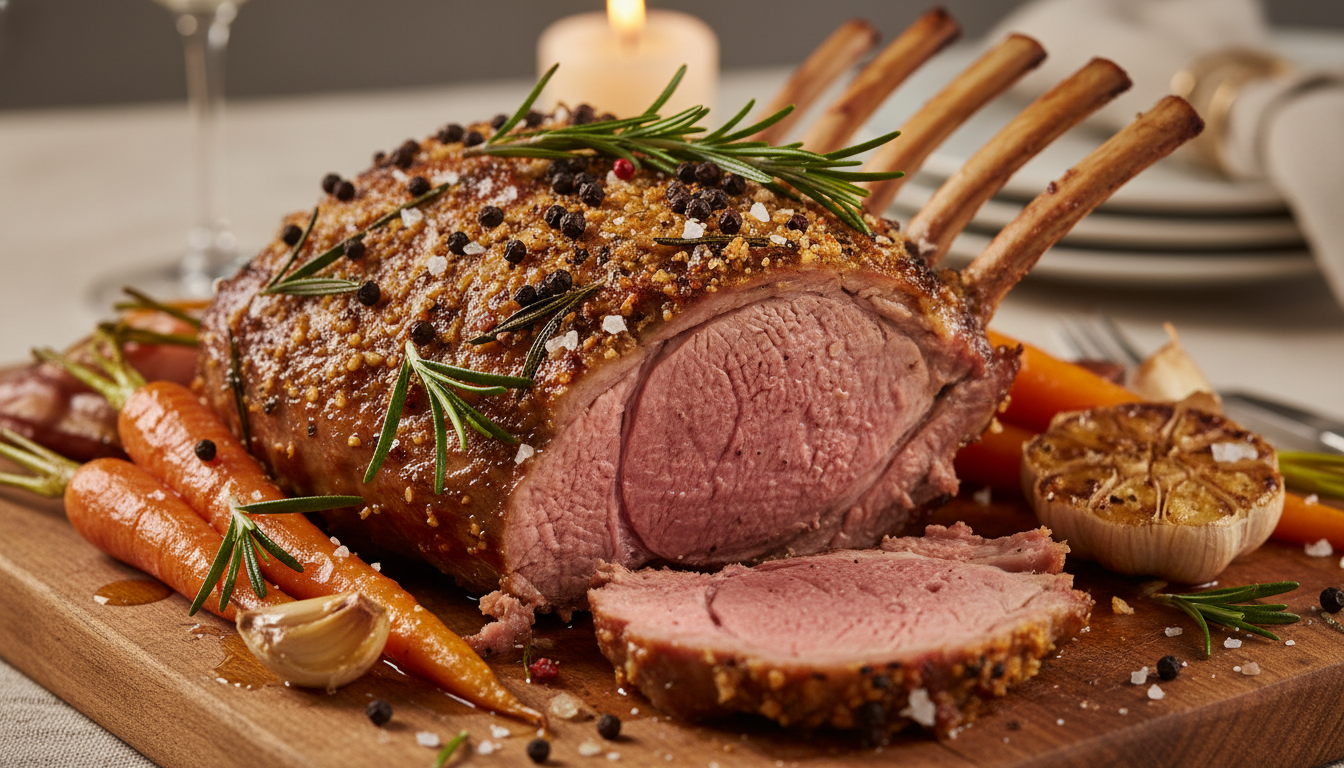
Preparing a restaurant-quality meal at home is a rewarding experience that brings friends and family together. A perfectly Roasted rack of lamb seasoned with rosemary, salt and pepper serves as the ultimate centerpiece for any special occasion. Mastering this classic dish requires patience, precision, and a few professional techniques to ensure the meat remains tender and juicy.
Before you begin your culinary journey, it is vital to choose premium ingredients to guarantee the best results. Selecting high-quality cuts ensures that your final lamb recipe develops a beautiful, golden-brown crust while maintaining a succulent interior. Whether you are hosting a holiday dinner or simply refining your skills, these steps will help you achieve consistent success in your kitchen.
Key Takeaways
- Bring your meat to room temperature before cooking for even heat distribution.
- Trim excess fat to ensure a clean, professional presentation.
- Use high-smoke-point oils to achieve a perfect sear without burning.
- Follow strict food safety protocols when handling raw proteins.
- Allow the meat to rest properly to lock in natural juices.
Understanding the Quality of Your Rack of Lamb
Learning how to cook lamb begins long before you reach for your seasoning or preheat the oven. The foundation of a truly memorable meal lies in the raw ingredients you bring into your kitchen. By focusing on quality markers, you ensure that your final dish achieves the perfect texture and depth of flavor.
Selecting the Best Cut at the Butcher Shop
When visiting your local butcher, look for a rack that features a bright, pinkish-red color. The meat should appear firm and moist, rather than dull or gray. A high-quality rack of lamb for your next lamb recipe should have a thin, even layer of white fat covering the eye of the meat.
“Quality is never an accident; it is always the result of high intention, sincere effort, intelligent direction and skillful execution.”
Understanding Grass-Fed versus Grain-Fed Lamb
The diet of the animal significantly influences the final taste of your roast. Grass-fed lamb is often prized for its robust, earthy flavor profile, which reflects the natural pastures where the animals grazed. In contrast, grain-fed varieties tend to offer a milder, more subtle taste that many home cooks find approachable.
Choosing between these two depends entirely on your personal preference. If you enjoy a bold, gamey character, grass-fed is an excellent choice. If you prefer a delicate finish, grain-fed options will serve you well.
Proper Storage and Thawing Techniques
Once you have secured your meat, maintaining its integrity is vital. If you are not cooking immediately, keep the lamb in the coldest part of your refrigerator, ideally wrapped in butcher paper or a loose plastic covering. This allows the meat to breathe while staying protected from other items.
If your lamb is frozen, always thaw it slowly in the refrigerator for twenty-four hours. Never rush the thawing process by using warm water, as this can compromise the texture of the meat. Proper preparation ensures that when you finally learn how to cook lamb, the results are consistently tender and delicious.
The Science of Flavoring with Rosemary, Salt, and Pepper
The secret to truly exceptional savory lamb dishes lies in the precise application of rosemary, salt, and pepper. These three ingredients do more than just add flavor; they interact with the meat on a molecular level to enhance its natural characteristics. Understanding this chemistry allows you to elevate your cooking from basic to professional.
Why Rosemary Complements Lamb
Rosemary is the quintessential herb for lamb because of its unique chemical composition. The herb contains high levels of camphor and cineole, which provide a distinct piney aroma. This sharp, resinous quality is essential for cutting through the rich, heavy fat content found in lamb.
By balancing the intensity of the meat with these herbal notes, you create a harmonious flavor profile. This balance is what makes a classic herb-roasted lamb so satisfying to the palate. The herb acts as a palate cleanser, ensuring that every bite remains vibrant and fresh.
The Importance of Proper Salting Timing
Many home cooks make the mistake of salting their meat only seconds before it hits the heat. However, timing is critical for achieving deep, uniform seasoning throughout the cut. When you apply salt early, it draws moisture to the surface through osmosis, dissolves, and is then reabsorbed into the muscle fibers.
This process, known as dry brining, ensures that the interior of the meat is seasoned just as well as the exterior. For the best results, aim to salt your lamb at least forty-five minutes before cooking. This simple step significantly improves the texture and moisture retention of your savory lamb dishes.
Selecting the Right Peppercorns for Depth
Not all pepper is created equal, and the variety you choose can drastically change the outcome of your meal. Freshly cracked black peppercorns provide a necessary layer of heat and complexity that complements the earthy tones of the lamb. For a more nuanced flavor, consider using Tellicherry peppercorns, which are harvested later and offer a more robust, citrusy profile.
Avoid pre-ground pepper, as it loses its volatile oils and aromatic intensity quickly. By grinding your own peppercorns, you ensure that the spice adds a bright, sharp contrast to the richness of the herb-roasted lamb. The following table highlights how these three core ingredients function together to build a perfect crust.
| Ingredient | Primary Function | Flavor Contribution |
|---|---|---|
| Rosemary | Aromatic Balance | Piney, woody, and fresh |
| Sea Salt | Flavor Enhancement | Salty, mineral, and savory |
| Black Pepper | Complexity | Spicy, sharp, and bold |
Essential Tools for Preparing the Perfect Roast
Many home cooks feel intimidated by lamb, but the right tools can turn the process into a breeze. Having the correct equipment is the secret to preparing a flavorful rack of lamb without any unnecessary stress. When you are prepared, you can focus on the joy of cooking rather than worrying about the outcome.
Choosing the Right Roasting Pan
A heavy-duty roasting pan is a fundamental asset for any kitchen. You should look for a pan that conducts heat evenly to ensure your meat browns perfectly on all sides. This simple choice helps you create an easy lamb dinner recipe that consistently impresses your guests.
The Necessity of a Meat Thermometer
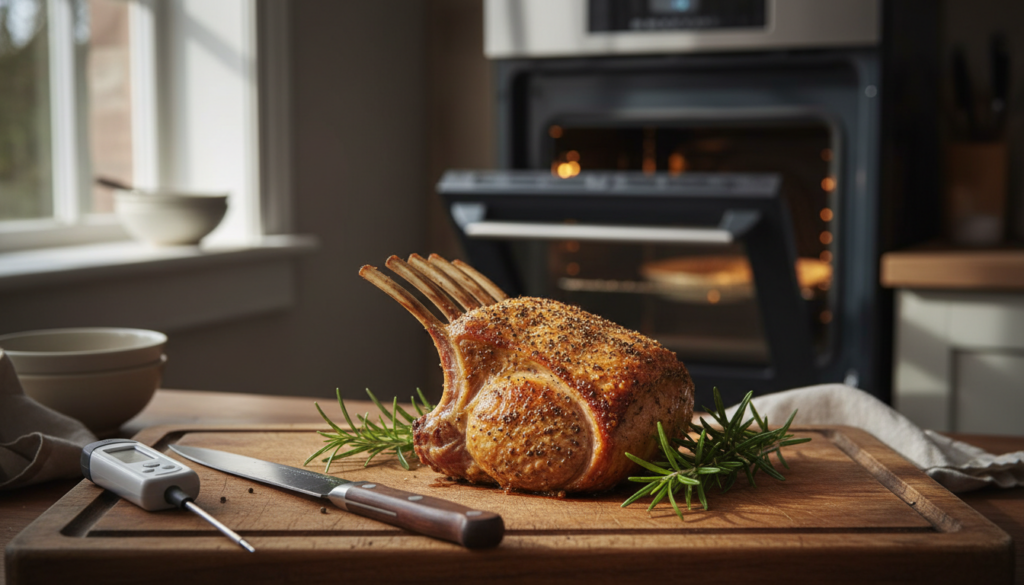
Precision is everything when working with high-quality proteins. A reliable meat thermometer is the only way to guarantee your roast reaches the exact level of doneness you prefer. Relying on visual cues alone often leads to overcooked meat, so always use a digital thermometer to monitor the internal temperature.
Kitchen Twine and Trussing Basics
Trussing your meat with kitchen twine is a classic technique that helps maintain a uniform shape. By tying the rack, you ensure that the heat circulates evenly throughout the cooking process. This small step is a game-changer for anyone looking to master an easy lamb dinner recipe that looks as good as it tastes.
Preparing the Meat for the Oven
Transforming a raw cut of meat into a culinary masterpiece requires careful attention to detail. Proper preparation is the secret to a flavorful rack of lamb that looks as good as it tastes. By following these specific steps, you ensure that your roast cooks evenly and develops a beautiful, savory crust.
Trimming the Fat Cap for Even Cooking
The fat cap on a rack of lamb provides essential moisture, but too much can lead to uneven cooking. You should trim the fat layer down to about an eighth of an inch. This simple adjustment prevents unwanted flare-ups in the oven and allows the heat to penetrate the meat more consistently.
Creating the Rosemary Salt and Pepper Rub
A high-quality rosemary crusted lamb relies on a balanced seasoning blend. Combine fresh, finely chopped rosemary with coarse sea salt and freshly cracked black peppercorns. This mixture creates a fragrant barrier that locks in juices while adding a deep, earthy flavor profile to every bite.
“Seasoning is not just about salt; it is about building layers of flavor that define the character of the dish.”
The Art of Scoring the Fat
Scoring the fat cap is a technique that serves both aesthetic and functional purposes. Use a sharp knife to create a shallow diamond pattern across the surface of the fat. This allows the seasoning rub to penetrate deeper into the meat, resulting in a truly flavorful rack of lamb.
| Preparation Step | Primary Benefit | Key Tool |
|---|---|---|
| Fat Trimming | Prevents flare-ups | Boning Knife |
| Rub Application | Enhances flavor | Mortar and Pestle |
| Fat Scoring | Improves seasoning | Chef’s Knife |
Once you have finished these steps, your meat is ready for the heat. Taking the time to prepare your ingredients properly ensures that your final dish meets the highest standards of home cooking.
Mastering the Roasted rack of lamb seasoned with rosemary, salt and pepper.
Achieving the perfect roast requires a blend of patience and technique. When you prepare a Roasted rack of lamb seasoned with rosemary, salt and pepper., the goal is to balance a crispy exterior with a tender, juicy center. This process is surprisingly straightforward, making it an easy lamb dinner recipe for any home cook.
Searing the Lamb for a Golden Crust
Before the meat hits the oven, you must develop a deep, flavorful crust. Heat a heavy-bottomed skillet over medium-high heat with a touch of oil. Sear the rack on all sides until it turns a rich, golden brown.
This step locks in moisture and adds a delightful texture to the final dish. Do not rush this phase, as the Maillard reaction is essential for building complex flavor profiles.
Oven Temperature Settings for Optimal Results
Once the searing is complete, transfer your lamb to a preheated oven. A temperature of 400°F (200°C) is ideal for roasting. This heat level ensures the meat cooks through without drying out the delicate muscle fibers.
Consistency is key when you want an easy lamb dinner recipe that impresses guests. Keep the oven door closed as much as possible to maintain a steady environment for even cooking.
Monitoring Internal Temperatures for Doneness
The most reliable way to ensure success is by using a digital meat thermometer. Insert the probe into the thickest part of the meat, avoiding the bone for an accurate reading. A Roasted rack of lamb seasoned with rosemary, salt and pepper. is best served at medium-rare, which corresponds to an internal temperature of 125°F to 130°F.
Remember that the temperature will continue to rise slightly after you remove the lamb from the heat. Pulling the meat out just before it hits your target ensures it reaches the perfect level of doneness while resting.
Resting and Carving Techniques
The secret to serving truly memorable savory lamb dishes lies in the patience you show during the final stages of preparation. While the aroma of your roast is tempting, rushing to the table will compromise the final texture of the meat.
Why Resting is Non-Negotiable
Resting your rosemary crusted lamb is a mandatory step that allows the internal juices to redistribute throughout the muscle fibers. If you slice into the meat immediately, those flavorful juices will escape onto the cutting board instead of staying inside the roast.
By letting the meat sit for at least ten to fifteen minutes, you ensure that every bite remains succulent and tender. This brief pause is the difference between a dry roast and a culinary masterpiece.
How to Carve Between the Rib Bones
Precision is key when it comes to portioning your rack of lamb. Using a sharp carving knife, follow these steps to achieve clean, uniform chops:
- Place the rack on a stable cutting board with the bones facing upward.
- Locate the natural gap between each rib bone to guide your knife.
- Apply steady, downward pressure to slice through the meat in one smooth motion.
Avoid sawing back and forth, as this can tear the delicate crust you worked so hard to create. A single, confident stroke preserves the integrity of the rosemary crusted lamb and keeps the presentation clean.
Presenting the Lamb for a Professional Finish
The final presentation should reflect the care you put into the cooking process. Arrange the individual chops on a warmed platter to keep them at the perfect temperature while you prepare your savory lamb dishes for the table.
You might consider fanning the chops slightly to showcase the beautiful pink center of the meat. A light garnish of fresh rosemary sprigs adds a final touch of elegance that will impress your guests immediately.
Elevating the Meal with Complementary Sides
You can transform your dinner into a gourmet event by carefully selecting the right accompaniments. A well-rounded plate balances the rich, earthy profile of your main course with fresh, vibrant elements. By mastering these lamb cooking techniques, you ensure that every bite is part of a cohesive and delicious experience.
Selecting Seasonal Vegetables
When serving herb-roasted lamb, aim for vegetables that provide a crisp contrast to the tender meat. Roasted root vegetables like carrots or parsnips offer a natural sweetness that pairs beautifully with rosemary. Alternatively, consider these fresh options:
- Asparagus: Lightly charred to add a smoky, green brightness.
- Brussels Sprouts: Roasted with balsamic glaze for a tangy crunch.
- Fingerling Potatoes: Crispy on the outside and creamy on the inside.
Wine Pairings for Herb-Roasted Lamb
Choosing the right wine is essential for enhancing the savory notes of your dish. A classic Cabernet Sauvignon or a bold Syrah works exceptionally well because the tannins cut through the richness of the fat. If you prefer something lighter, a Pinot Noir offers enough acidity to balance the herbal crust without overpowering the delicate flavor of the meat.
Creating a Simple Pan Sauce from Drippings
Do not let those flavorful drippings go to waste after you finish roasting. You can create a professional-grade sauce by deglazing the pan with a splash of red wine or high-quality beef stock. Simply simmer the liquid over medium heat, scraping up the browned bits from the bottom of the pan.
Whisk in a small knob of cold butter at the very end to give the sauce a glossy, luxurious finish. This final step is one of the most effective lamb cooking techniques to elevate your herb-roasted lamb into a restaurant-style masterpiece. Serve the sauce immediately while it is warm and aromatic.
Common Mistakes to Avoid When Cooking Lamb
Achieving restaurant-quality results at home is simpler when you know which common errors to sidestep. Even experienced cooks can encounter challenges when learning how to cook lamb, but most pitfalls are easily avoidable with a bit of preparation.
Preventing Overcooked or Tough Meat
The most frequent error involves overshooting the internal temperature of the meat. Lamb is a delicate protein that can quickly become tough if left in the oven for too long.
Always rely on a digital meat thermometer rather than guessing by time alone. Strictly adhering to temperature guidelines ensures your roast remains tender and juicy every single time.
Avoiding Uneven Seasoning Distribution
A common oversight is failing to coat the entire rack evenly with your herb rub. If you miss the crevices between the bones, you will end up with bland bites that lack the depth of your rosemary and salt mixture.
Take your time to massage the seasoning into every surface of the meat. Mastering these lamb cooking techniques ensures that every slice delivers a consistent, savory punch of flavor.
Managing Smoke Points in the Kitchen
Many home cooks struggle with excessive smoke when searing their meat. This usually happens because the chosen oil has a smoke point that is too low for the high heat required for a perfect crust.
Choose oils like avocado or grapeseed, which handle high temperatures without burning. By managing your heat and oil selection, you keep your kitchen comfortable and your crust perfectly golden.
Conclusion
Preparing a roasted rack of lamb creates a sophisticated centerpiece for any dinner party. This dish transforms simple ingredients into a gourmet experience that delights your guests.
You now possess the essential techniques to achieve perfect results in your own kitchen. Focus on the quality of your ingredients and the precision of your timing to ensure success every time you cook.
Practice these methods to build your confidence with high-end proteins. Your journey toward mastering classic French-inspired roasting starts with this flavorful cut of meat.
Share your results with friends and family to make every meal a special occasion. Your dedication to the craft of cooking brings warmth and joy to the dining table.