Exploring the Finest Japanese Cuisine on the Los Angeles Strip
Los Angeles is a melting pot of culinary innovation, and its Japanese dining scene is arguably one of the most vibrant outside of Japan itself. Whether you are strolling down the famed Sunset Strip or exploring the bustling boulevards of West Hollywood, the array of Japanese restaurants available is staggering. From high-end sushi bars serving omakase menus to lively izakayas and sizzling teppanyaki grills, the Los Angeles strip offers an unforgettable gastronomic adventure.
When curating a list of the best Japanese restaurants, several factors come into play: the freshness of the ingredients, the skill of the chefs, the ambiance of the dining room, and the authenticity of the flavors. This guide will take you through the premier destinations for Japanese cuisine in this iconic area, ensuring your next meal out is nothing short of spectacular.
Top Japanese Dining Experiences
The Los Angeles strip is home to a diverse selection of Japanese eateries. Let us explore some of the standout categories and what makes them unique.
The Art of Omakase
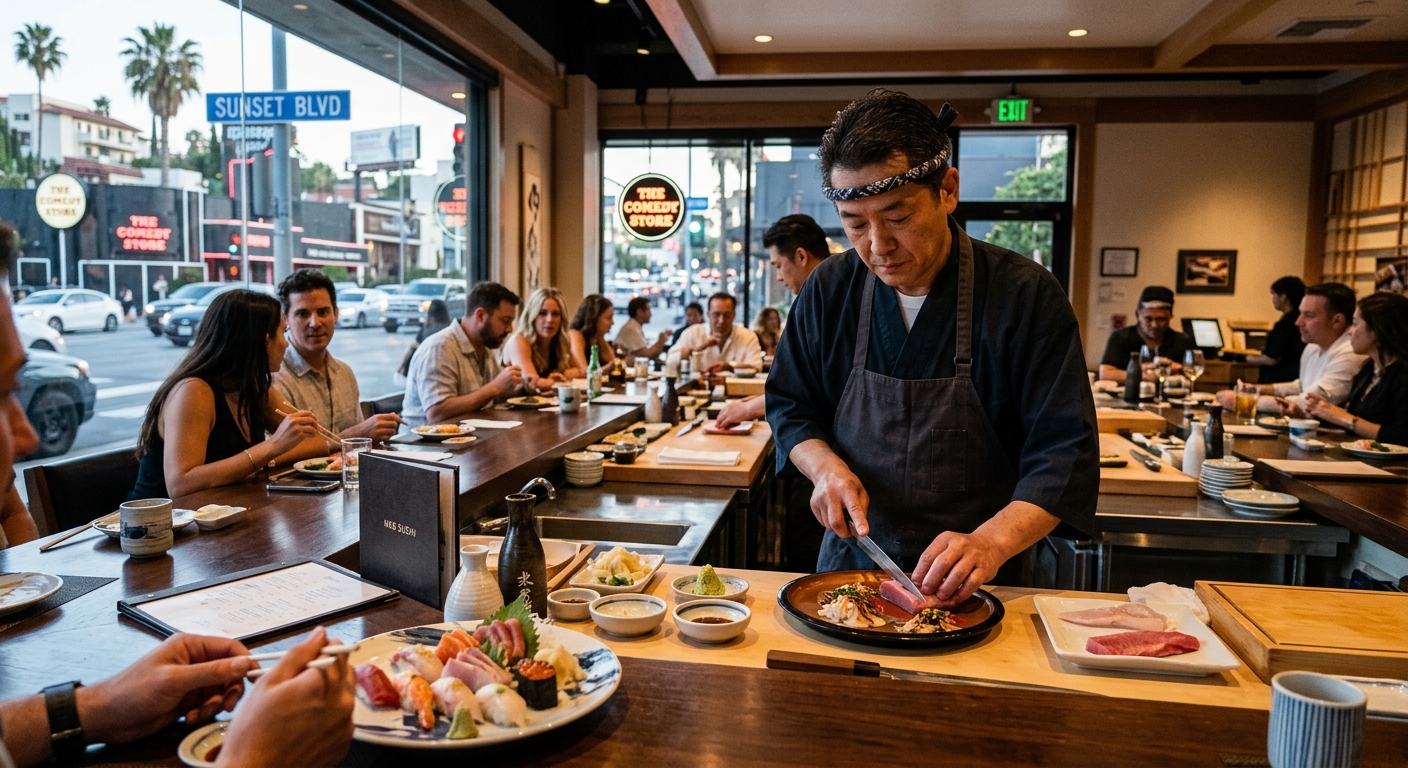
Omakase, which translates to “I leave it up to you,” is the pinnacle of Japanese dining. It requires immense trust between the diner and the chef. Restaurants specializing in omakase on the strip source their fish globally, often flying in seafood directly from Tokyo’s Toyosu Market. The meticulous preparation of each nigiri, the perfect seasoning of the rice (shari), and the intimate counter seating create an exclusive dining atmosphere.
Izakaya: Casual and Flavorful
For those seeking a more relaxed environment, izakayas provide the perfect setting. These Japanese gastropubs focus on small plates designed to be shared and paired with sake, shochu, or Japanese beer. Expect dishes like yakitori (grilled skewers), karaage (fried chicken), and takoyaki (octopus balls). The energetic vibe makes izakayas a favorite for weekend gatherings.
Teppanyaki and Hibachi Excellence
Teppanyaki is not just a meal; it is a performance. The theatrical display of knife skills, flaming onion volcanos, and expertly seared meats on an iron griddle is a hallmark of this dining style. If you are inspired by the culinary theatrics and want to try your hand at it, you can learn How to Cook Japanese Teppanyaki at Home: A Professional Guide. However, nothing beats the authentic experience provided by skilled chefs in a dedicated restaurant setting.
Comparing Premium Japanese Experiences
To help you decide what type of dining experience suits your evening, the following table compares three popular styles of Japanese dining found on the LA strip based on their primary focus, average duration, and typical price range.
| Dining Style | Primary Focus | Average Duration | Typical Price Range |
|---|---|---|---|
| Omakase Sushi | Chef-curated premium seafood | 2 – 3 hours | $150 – $400+ per person |
| Izakaya | Tapas-style plates and drinks | 1 – 2 hours | $40 – $80 per person |
| Teppanyaki | Grilled meats and entertainment | 1.5 – 2 hours | $70 – $150 per person |
Elevating Your Own Events
While dining out on the strip is fantastic, sometimes you want to bring that high-end Japanese culinary experience to your own private events. Whether you are hosting a corporate gathering in a high-rise or an intimate backyard celebration, hiring professionals can make all the difference. For instance, incorporating comprehensive beverage services alongside exquisite food is key to a successful party. You can read more about Elevating Your Event: Japanese Catering with Bartenders in Los Angeles to understand how integrated services work.
Furthermore, ensuring that your caterers are fully certified and equipped to handle the unique demands of live-action cooking is crucial for both safety and quality. Discover the benefits of Licensed Teppanyaki Catering in Los Angeles: Elevating Your Events for your next major gathering.
Exploring Beyond the Strip
While the Los Angeles strip offers an incredible concentration of culinary talent, true food enthusiasts know that venturing slightly outside the immediate area can yield spectacular results. The broader LA region is dotted with spectacular dining options. If you are willing to take a short drive to the coast or into the hills, you will find establishments that offer serene environments paired with exceptional food. Check out these Malibu and Calabasas Hidden Gem Restaurants: A Culinary Journey to expand your dining horizons beyond the neon lights of the strip.
Key Elements to Look For
When searching for the best Japanese restaurants, keep the following elements in mind to ensure a quality experience:
- Rice Quality: The foundation of good sushi is the rice. It should be served at body temperature and seasoned properly with vinegar.
- Seasonal Ingredients: Authentic Japanese menus change with the seasons, highlighting ingredients when they are at their peak flavor.
- Chef’s Pedigree: Many top-tier chefs on the LA strip have trained for decades under master chefs in Japan before opening their own establishments.
- Sake Selection: A well-curated sake list that complements the food is a strong indicator of a restaurant’s dedication to the complete dining experience.
Conclusion
The Los Angeles strip remains a premier destination for food lovers, particularly those seeking the refined and dynamic flavors of Japanese cuisine. From the hushed reverence of an exclusive omakase counter to the lively clatter of an izakaya or the fiery spectacle of a teppanyaki grill, the options are as diverse as the city itself. By understanding the different styles of dining and knowing what hallmarks of quality to look for, you can navigate this culinary landscape with confidence and discover your new favorite restaurant.
Frequently Asked Questions
What is the difference between sushi and sashimi?
Sushi refers to dishes made with vinegared rice, often topped or rolled with seafood, vegetables, or egg. Sashimi consists solely of thinly sliced raw meat or fish, served without rice.
Do I need reservations for omakase restaurants on the LA strip?
Yes, reservations are highly recommended and often required weeks or months in advance for top omakase restaurants, as they typically have very limited seating.
Is teppanyaki the same as hibachi?
In North America, the terms are often used interchangeably to describe food cooked on a flat iron griddle in front of guests. However, traditionally in Japan, hibachi refers to an open-grate charcoal grill, while teppanyaki uses a solid iron griddle.
Are there vegetarian options at Japanese restaurants?
Absolutely. Most Japanese restaurants offer vegetarian options such as vegetable tempura, agedashi tofu, cucumber or avocado sushi rolls, and various seaweed or edamame salads.