
Introduction to Authentic Japanese Teppanyaki
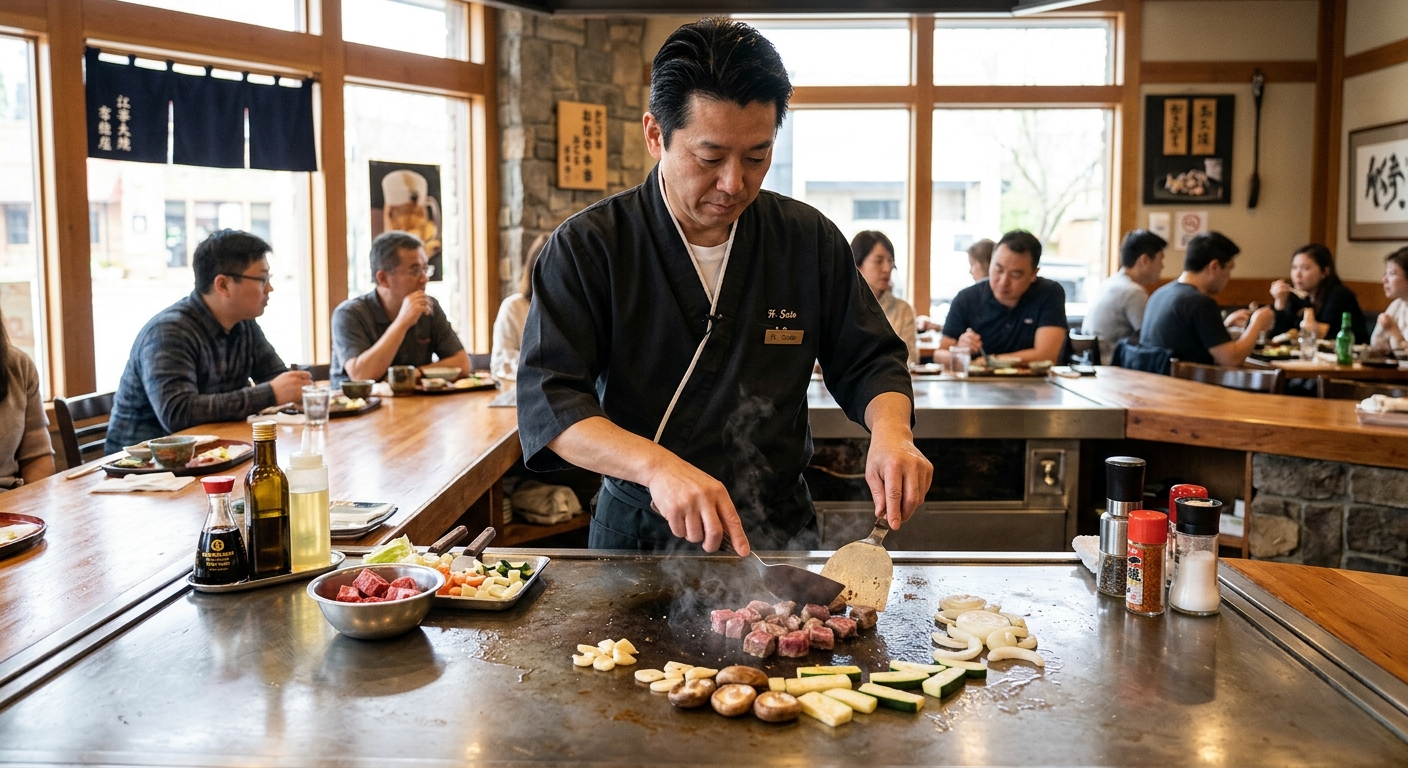
Teppanyaki, a style of Japanese cuisine that uses an iron griddle to cook food, has captivated diners worldwide. Derived from the words “teppan” (iron plate) and “yaki” (grilled, broiled, or pan-fried), this culinary tradition combines fresh ingredients with theatrical cooking techniques. For beginners, recreating an authentic Japanese teppanyaki recipe at home might seem daunting, but with the right guidance, it is entirely achievable. This article will walk you through the essential equipment, key ingredients, and a simple yet delicious recipe to get you started.
While exploring Japanese cuisine, you might also be interested in discovering more about local dining scenes. For instance, The Comprehensive Authentic Japanese Food Guide to West Hollywood offers an excellent overview of top dining spots. Similarly, if you find yourself exploring different neighborhoods, Hidden Culinary Gems in Silver Lake LA: A Food Lover’s Guide is a fantastic resource for discovering unique culinary experiences.
Essential Equipment for Home Teppanyaki
Before diving into the cooking process, it is crucial to have the right tools. The centerpiece of teppanyaki is, of course, the flat grill. While professional chefs use large, built-in iron griddles, home cooks can achieve excellent results with a high-quality electric griddle or a heavy cast-iron skillet placed over a stovetop.
- Griddle or Large Skillet: A wide, flat surface is necessary for cooking different ingredients simultaneously without crowding.
- Spatulas: Two stainless steel spatulas are essential for flipping, tossing, and cutting ingredients directly on the grill.
- Tongs: Useful for handling delicate items like shrimp or thin slices of meat.
- Squeeze Bottles: Ideal for dispensing cooking oils, soy sauce, and water for steaming.
If you prefer to leave the cooking to the professionals, especially for large gatherings, consider hiring a mobile caterer. In such cases, understanding Why You Need a Licensed and Insured Mobile Hibachi Caterer for Your Event is vital for ensuring a safe and memorable experience. You can find excellent services at Fujioka Teppanyaki for your next event.
Choosing Your Ingredients
The secret to authentic teppanyaki lies in the freshness and quality of the ingredients. Since the cooking method is fast and uses minimal seasoning, the natural flavors of the food must shine.
Proteins
Beef, chicken, and seafood are the most common proteins used in teppanyaki. For beef, a well-marbled cut like ribeye or sirloin is ideal. If using chicken, boneless, skinless thighs remain juicier than breasts. Shrimp and scallops are excellent seafood choices, cooking quickly and developing a beautiful sear.
Vegetables
A colorful array of vegetables not only adds nutritional value but also visual appeal. Common choices include:
- Zucchini
- Onions
- Mushrooms (Shiitake or Button)
- Carrots
- Bean Sprouts
Sauces and Seasonings
Traditional teppanyaki seasoning is simple. You will need high-heat cooking oil (like canola or vegetable oil), high-quality soy sauce, butter, garlic, and salt and pepper. Dipping sauces, such as ginger sauce and mustard sauce, are often served alongside the meal to enhance the flavors.
Authentic Teppanyaki Recipe for Beginners
This recipe focuses on a classic combination of steak, shrimp, and vegetables, providing a comprehensive introduction to teppanyaki cooking.
Ingredients
- 1 lb Ribeye steak, cut into bite-sized cubes
- 1/2 lb Large shrimp, peeled and deveined
- 1 Large zucchini, sliced into half-moons
- 1 Large sweet onion, thickly sliced
- 8 oz Mushrooms, sliced
- 2 cups Bean sprouts
- 3 tbsp Vegetable oil
- 3 tbsp Butter
- 3 Cloves garlic, minced
- Soy sauce, to taste
- Salt and pepper, to taste
Step-by-Step Instructions
Step 1: Preparation
Ensure all your ingredients are chopped and ready to go. Teppanyaki cooking is fast-paced, so having a “mise en place” (everything in its place) is critical.
Step 2: Preheat the Griddle
Heat your griddle or large skillet over medium-high heat. Add a tablespoon of vegetable oil and spread it evenly across the surface.
Step 3: Cook the Vegetables
Start with the onions, zucchini, and mushrooms. Place them on the griddle and let them sear for a minute before tossing. Add a tablespoon of butter, a splash of soy sauce, and a pinch of salt and pepper. Cook until tender but still crisp. Move them to a cooler side of the griddle or remove them to a warm plate.
Step 4: Cook the Proteins
Add a little more oil to the hot center of the griddle. Place the steak cubes and shrimp down in a single layer. Season with salt, pepper, and minced garlic. Let them sear undisturbed for 1-2 minutes to develop a crust. Flip the meat and shrimp, adding another tablespoon of butter and a splash of soy sauce. The shrimp will cook very quickly (about 2-3 minutes total), while the steak will take about 3-5 minutes depending on your desired doneness.
Step 5: Add the Bean Sprouts
In the last minute of cooking, toss the bean sprouts onto the griddle. They only need a quick flash heat to wilt slightly while maintaining their crunch.
Step 6: Serve Immediately
Serve the hot proteins and vegetables immediately, accompanied by steamed white rice and your favorite dipping sauces.
Comparing Teppanyaki Proteins
Here is a quick comparison of the most common proteins used in teppanyaki to help you plan your meal.
| Protein Type | Recommended Cut/Type | Cooking Time (Approx) | Ideal Seasoning |
|---|---|---|---|
| Beef | Ribeye or Sirloin | 3-5 minutes | Garlic, Butter, Soy Sauce |
| Chicken | Boneless Thighs | 6-8 minutes | Teriyaki Sauce, Sesame Oil |
| Seafood | Large Shrimp | 2-3 minutes | Lemon, Butter, Garlic |
Conclusion
Creating an authentic Japanese teppanyaki meal at home is an exciting and rewarding culinary adventure. By focusing on fresh ingredients, proper equipment, and simple seasonings, beginners can achieve restaurant-quality results in their own kitchens. Remember that practice makes perfect, and part of the joy of teppanyaki is the interactive and dynamic cooking process. Gather your friends and family, fire up the griddle, and enjoy a delicious homemade teppanyaki feast.
Frequently Asked Questions
What is the difference between teppanyaki and hibachi?
While often used interchangeably in Western countries, they are different in Japan. Teppanyaki uses a solid, flat iron griddle to cook food, allowing for the cooking of smaller ingredients like rice and egg. Hibachi uses an open grate over a charcoal fire, similar to a traditional barbecue.
What kind of oil is best for teppanyaki?
It is best to use a neutral oil with a high smoke point, such as canola, vegetable, or grapeseed oil. Avoid extra virgin olive oil, as it can burn at the high temperatures required for teppanyaki.
Can I make teppanyaki without a large griddle?
Yes, you can use a large, heavy-bottomed skillet (preferably cast iron) on a standard stovetop. While you may have to cook ingredients in batches rather than all at once, you can still achieve the characteristic sear and flavor of teppanyaki.
One response to “Authentic Japanese Teppanyaki Recipe for Beginners: A Complete Guide”
[…] For those interested in bringing culinary artistry to their own homes, you might enjoy exploring an Authentic Japanese Teppanyaki Recipe for Beginners: A Complete Guide to recreate the magic of a live cooking […]