Exploring Authentic Japanese Cuisine in Downtown Los Angeles
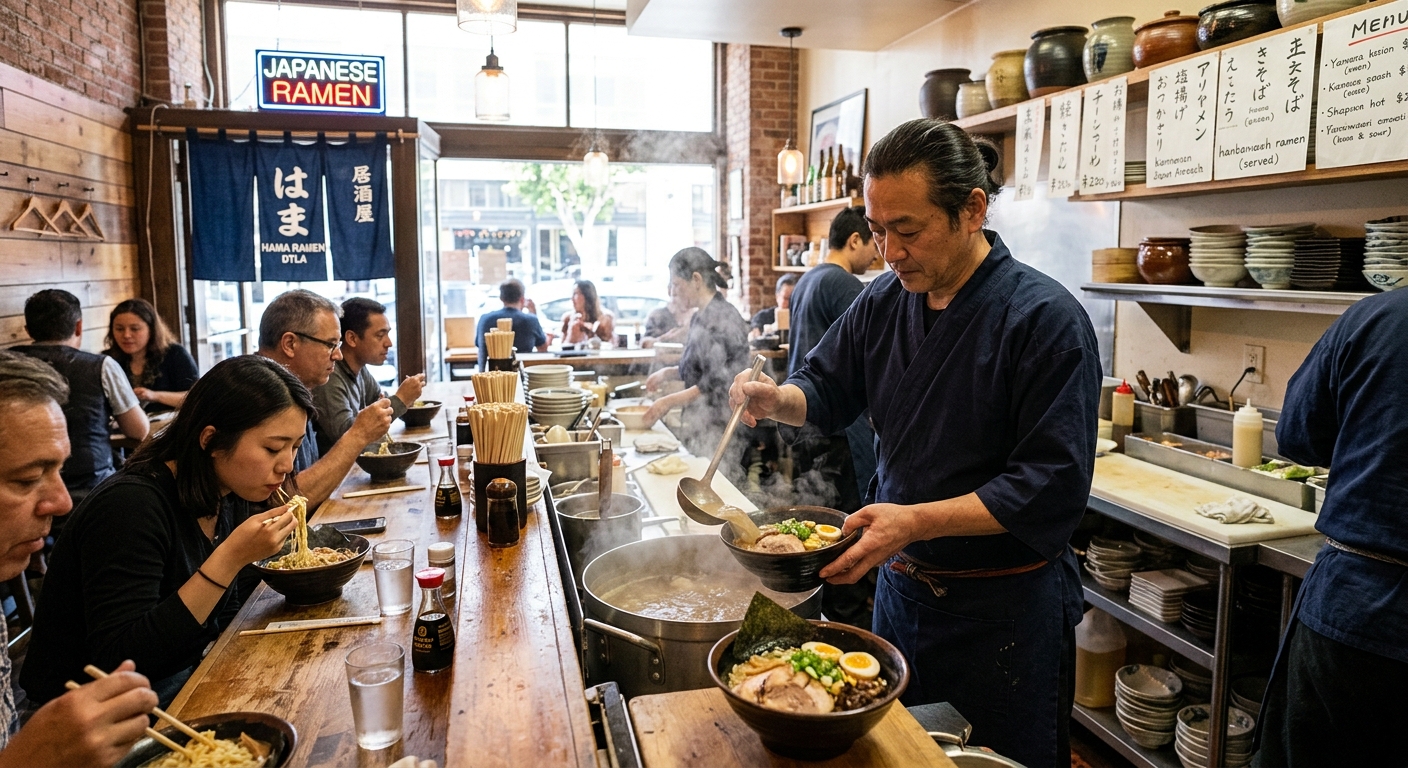
Downtown Los Angeles (DTLA), particularly the historic Little Tokyo district, serves as a vibrant epicenter for Japanese culture and gastronomy in Southern California. For food enthusiasts seeking genuine flavors and traditional preparation methods, the area offers a remarkable array of authentic Japanese restaurants. Whether you are searching for meticulously crafted sushi, comforting bowls of ramen, or sizzling teppanyaki, DTLA provides an unparalleled culinary journey that honors centuries-old traditions while embracing modern culinary excellence.
The Heart of Little Tokyo: A Culinary Destination
Little Tokyo is one of only three official Japantowns in the United States. Walking through its bustling streets, you are immediately transported by the sights and smells of authentic Japanese cooking. The restaurants here pride themselves on sourcing high-quality ingredients, often importing fresh seafood directly from Japan’s Toyosu Market. This dedication to quality ensures that every bite resonates with authenticity.
Sushi: The Pinnacle of Japanese Culinary Art
No exploration of Japanese cuisine is complete without delving into the world of sushi. In downtown Los Angeles, sushi is not merely food; it is an art form. Traditional Edomae-style sushi chefs spend decades perfecting their craft, from the precise seasoning of the rice to the delicate slicing of the fish. For those who wish to experience this level of artistry outside of a restaurant setting, perhaps for a private gathering, Luxury Sushi Catering in Los Angeles: Elevating Your Event is an excellent option to consider, bringing the refined omakase experience directly to your venue.
The Rise of Premium Wagyu in DTLA
Beyond seafood, authentic Japanese cuisine is renowned for its exceptional beef, specifically Wagyu. Known for its intense marbling and melt-in-your-mouth texture, Japanese Wagyu is a delicacy that requires expert handling. Several establishments in downtown Los Angeles specialize in serving A5 Wagyu, preparing it on traditional binchotan charcoal grills or as shabu-shabu. If you are passionate about premium beef, you will find invaluable insights in The Ultimate Guide to the Best Wagyu Steak Restaurants in Los Angeles, which highlights top-tier dining destinations for this luxurious meat.
Teppanyaki: Entertainment Meets Gastronomy
Teppanyaki is another beloved facet of Japanese dining, combining culinary skill with theatrical presentation. While DTLA has its share of fantastic teppanyaki spots, the demand for this entertaining dining style extends throughout the greater Los Angeles area. Many top chefs are now offering private, interactive experiences. For instance, if you are looking to host a spectacular private event, you might want to read The Ultimate Guide to Mobile Teppanyaki Catering in Calabasas, CA. Additionally, for those seeking premier private chef services, expert teppanyaki chefs can provide an unforgettable culinary performance in the comfort of your own home.
Izakaya Culture: Casual Dining and Drinks
To truly experience how locals dine in Japan, one must visit an Izakaya. These casual pubs are integral to Japanese food culture, offering a place to unwind with drinks and shared plates after a long day. In downtown Los Angeles, authentic Izakayas serve up a variety of small dishes such as yakitori (grilled chicken skewers), karaage (Japanese fried chicken), and agedashi tofu. The atmosphere is typically lively and convivial, making it the perfect setting for group dining.
Key Components of Authentic Japanese Dining
- Omotenashi (Hospitality): Deep-rooted cultural emphasis on anticipating a guest’s needs and providing impeccable service.
- Seasonal Ingredients (Shun): Utilizing ingredients only at the peak of their freshness and flavor.
- Visual Presentation: The belief that we “eat with our eyes first,” resulting in beautiful, minimalist plating.
- Umami: The “fifth taste,” a savory depth commonly achieved through the use of dashi, soy sauce, and miso.
Comparing Popular Japanese Dining Styles in DTLA
| Dining Style | Primary Focus | Atmosphere | Typical Price Range |
|---|---|---|---|
| Omakase Sushi | Chef’s choice premium seafood | Intimate, quiet, refined | $$$$ |
| Izakaya | Shared plates, skewers, alcohol | Lively, casual, energetic | $$ |
| Ramen-ya | Noodle soups, gyoza | Fast-paced, casual | $ |
| Teppanyaki | Grilled meats and seafood | Interactive, entertaining | $$$ |
Conclusion
Downtown Los Angeles remains a premier destination for anyone seeking authentic Japanese cuisine. From the historic streets of Little Tokyo to modern, upscale dining rooms, the area offers an incredible diversity of culinary experiences. Whether you are indulging in a high-end omakase, savoring the rich flavors of A5 Wagyu, or enjoying the lively atmosphere of a local Izakaya, the dedication to Japanese culinary traditions is evident in every dish. Exploring these restaurants is not just about having a meal; it is about experiencing the rich cultural heritage and artistic dedication that defines Japanese gastronomy.
Frequently Asked Questions (FAQ)
What is the difference between sushi and sashimi?
Sushi refers to any dish made with vinegared rice, which can be topped or rolled with various ingredients, most commonly raw fish. Sashimi, on the other hand, consists exclusively of thinly sliced raw meat or fish, served without rice.
What does “Omakase” mean?
Omakase is a Japanese phrase that translates to “I’ll leave it up to you.” In a restaurant setting, it means the customer leaves the selection of dishes entirely to the chef, resulting in a curated, multi-course meal featuring the freshest seasonal ingredients.
Do I need a reservation for top Japanese restaurants in DTLA?
Yes, reservations are highly recommended, especially for high-end omakase sushi bars and premium Wagyu steakhouses in downtown Los Angeles. Many exclusive spots have limited seating and book up weeks or even months in advance.
Is Little Tokyo safe to visit at night?
Little Tokyo is generally considered one of the safer and more walkable neighborhoods in downtown Los Angeles. It is heavily frequented by tourists and locals alike, especially during dinner hours, though standard urban safety precautions should always be observed.