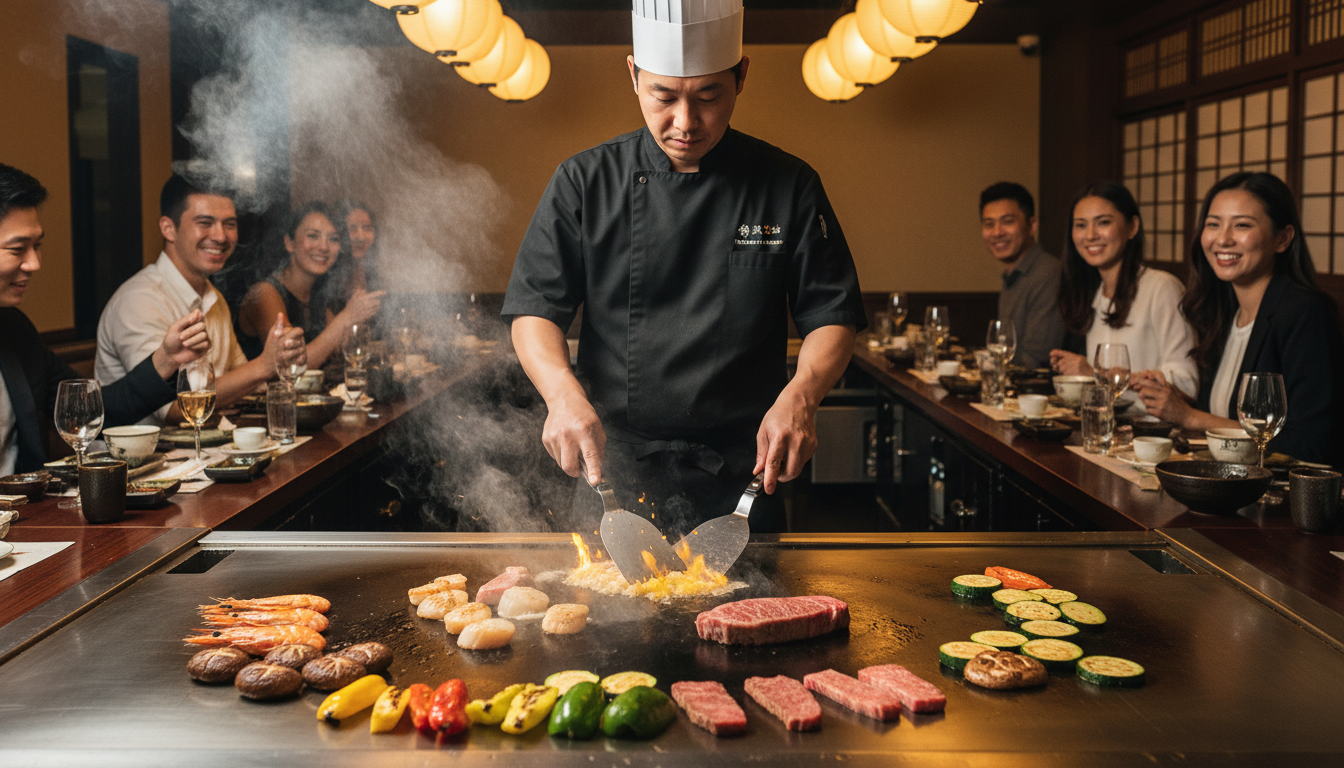
Have you ever dreamed of bringing the high-energy excitement of a professional grill station into your own home? Mastering authentic Japanese teppanyaki cuisine is a rewarding journey that transforms simple ingredients into a spectacular show.
This unique style of cooking emerged as a post-World War II innovation, quickly evolving into a globally recognized culinary art form. It relies on precision, heat control, and the freshest seasonal produce to create unforgettable meals.
By following our guide, you will learn the essential techniques used by master chefs. We will show you how to replicate the bold flavors and dramatic flair that define this world-class dining experience. Whether you are a beginner or a seasoned home cook, you can easily elevate your dinner parties with these professional skills.
Key Takeaways
- Understand the rich history of this iconic cooking style.
- Learn how to select the best tools for your home setup.
- Master the art of heat management for perfect searing.
- Discover secret techniques to enhance natural food flavors.
- Gain confidence in hosting your own interactive dinner events.
Understanding the Essence of Authentic Japanese Teppanyaki Cuisine
Stepping into the world of authentic Japanese teppanyaki cuisine offers a unique blend of culinary precision and theatrical performance. This style of cooking is not merely about preparing food; it is a refined art form that prioritizes the freshness of ingredients and the skill of the chef. By focusing on the interaction between the cook and the diner, this tradition creates a memorable atmosphere that elevates the entire dining experience.
The History and Philosophy of Teppanyaki
The roots of this culinary tradition trace back to post-war Japan, specifically around 1945. A visionary chef named Shigeji Fujioka is widely credited with popularizing the concept of cooking food on a flat iron griddle in front of guests. His approach transformed the kitchen into a stage, emphasizing transparency and the quality of raw components.
The philosophy behind this method is simple yet profound. It relies on three core pillars:
- Freshness: Using seasonal, high-quality ingredients that require minimal seasoning.
- Precision: Mastering heat control to ensure every bite is cooked to perfection.
- Connection: Fostering a direct, engaging relationship between the chef and the guest.
Distinguishing Authentic Japanese Style from Westernized Hibachi
A common point of confusion for many diners is the difference between teppanyaki and hibachi. While the terms are often used interchangeably in the United States, they represent distinct cooking methods. Authentic Japanese teppanyaki cuisine is defined by the use of a solid, flat iron surface known as a teppan.
This flat surface is essential for specific techniques that differ from traditional hibachi, which typically uses an open-grate charcoal grill. The teppan allows chefs to:
- Expertly sauté finely chopped vegetables and proteins.
- Prepare delicate fried rice with consistent texture.
- Maintain precise temperature zones across the entire cooking area.
Understanding these nuances helps you appreciate the craftsmanship involved in every meal. By recognizing the importance of the flat griddle, you can better identify the dedication to quality that defines this storied Japanese tradition.
Essential Equipment for Your Home Teppanyaki Setup
Transforming your kitchen into a culinary stage starts with the right hardware. To achieve that signature sear and perfect texture, you need a setup that mimics the performance of professional restaurant equipment.
Focusing on high-quality components ensures that your ingredients cook evenly every time. Whether you are a beginner or a seasoned home cook, the foundation of your success lies in the reliability of your cooking surface.
Choosing the Right Traditional Teppanyaki Grill
The centerpiece of your setup is undoubtedly the traditional teppanyaki grill. Unlike standard kitchen ranges, these units provide a large, flat-top surface that maintains consistent heat across the entire area.
When selecting your unit, look for models that offer precise temperature control. This feature is vital for searing proteins like Wagyu beef while simultaneously sautéing delicate vegetables without burning them.
A high-quality traditional teppanyaki grill should be constructed from heavy-gauge steel or cast iron to retain heat effectively. Proper heat distribution prevents cold spots, allowing you to manage multiple ingredients at once with professional ease.
Must-Have Tools for Every Aspiring Chef
Beyond the grill itself, you need a specialized toolkit to handle your ingredients with grace. These instruments are designed to help you flip, chop, and scrape your way to a perfect meal.
Every aspiring chef should keep these essential items within arm’s reach:
- Professional-grade spatulas: These are necessary for flipping proteins and moving ingredients across the hot surface.
- Stainless steel scrapers: Use these to keep your cooking area clean and to clear away debris between courses.
- Precision tongs: These allow for delicate placement of garnishes and smaller vegetable pieces.
- Oil dispensers: Having a squeeze bottle for high-smoke-point oils ensures you can season the surface quickly.
Investing in these durable tools will significantly improve your efficiency during the cooking process. With the right gear, you can focus on the artistry of your performance rather than struggling with inadequate equipment.
Selecting High-Quality Ingredients for Traditional Flavors
Achieving restaurant-quality results at home requires a focus on premium, seasonal ingredients. The success of your teppanyaki meal depends entirely on the caliber of the items you bring to the grill. By prioritizing freshness, you honor the ingredients and ensure a superior dining experience.
Japanese culinary tradition emphasizes the concept of shun, which refers to the exact moment when a food is at its peak flavor. When you align your menu with the seasons, you naturally unlock the most vibrant tastes and textures. This mindful approach transforms a simple meal into an authentic celebration of nature.
Sourcing Premium Proteins and Fresh Seafood
When selecting proteins, look for high-quality cuts that offer excellent marbling. For beef, Wagyu or high-grade Angus provides the tenderness required for quick searing on a hot iron plate. Always ensure your meat is properly tempered to room temperature before it touches the grill surface.
For seafood, freshness is non-negotiable. Whether you are choosing scallops, shrimp, or firm white fish, the product should smell clean and look vibrant. Sourcing directly from reputable fishmongers ensures that your seafood retains its delicate sweetness and firm texture during the high-heat cooking process.
“The essence of Japanese cuisine is to bring out the natural flavor of the ingredients, rather than masking them with heavy seasonings.”
The Importance of Seasonal Vegetables and Authentic Sauces
Vegetables provide the necessary balance to rich proteins. By choosing seasonal produce, you guarantee that your onions, mushrooms, and asparagus are crisp and full of natural sugars. Local farmers’ markets are often the best places to find vegetables that have been harvested at the perfect time.
Authentic sauces act as the final bridge between your ingredients and the palate. Using high-quality soy sauce, mirin, and sake creates a foundation for traditional glazes that enhance rather than overpower your food. Avoid pre-made, overly processed options to maintain the integrity of your dish.
| Ingredient Category | Selection Criteria | Key Benefit |
|---|---|---|
| Premium Beef | High marbling score | Buttery texture |
| Fresh Seafood | Clear eyes, firm flesh | Natural sweetness |
| Seasonal Veggies | Peak harvest time | Maximum nutrient density |
| Authentic Sauces | Traditional fermentation | Depth of umami flavor |
Mastering Fundamental Teppanyaki Chef Skills
Elevating your home cooking to a professional standard starts with honing your essential teppanyaki chef skills. While high-quality ingredients provide the foundation, your ability to manipulate the grill determines the final outcome of your meal. By focusing on rhythm and control, you can transform your kitchen into a vibrant culinary stage.
Knife Techniques and Precision Cutting
Uniformity is the secret to success when preparing ingredients for the grill. When you cut your proteins and vegetables into consistent sizes, they cook at the same rate, ensuring that nothing is overdone or left raw. Precision cutting allows you to showcase the natural beauty of your fresh produce while maintaining a professional presentation.
Practice your grip on the knife to ensure safety and speed during the cooking process. A sharp blade is your best friend, as it allows for clean slices without crushing delicate fibers. Mastering these teppanyaki chef skills will give you the confidence to move quickly when the grill is hot.
Managing Heat Control for Perfect Searing
The true art of the grill lies in your ability to manage different temperature zones. You should designate a high-heat area for searing proteins to lock in juices and a lower-heat area for gently cooking vegetables. This intuitive control prevents burning and ensures that every component of your dish reaches the table at the perfect moment.
Timing is just as critical as temperature when you are working with a flat-top surface. By keeping your ingredients organized, you can maintain a steady flow of cooking without overwhelming the grill surface. Use the following guide to understand how different heat levels impact your ingredients:
| Ingredient Type | Heat Level | Primary Goal |
|---|---|---|
| Wagyu Beef | High | Caramelized Crust |
| Scallops | Medium-High | Golden Sear |
| Bell Peppers | Medium | Retain Crunch |
| Mushrooms | Low-Medium | Deep Flavor |
Developing these teppanyaki chef skills takes patience and consistent practice. As you become more comfortable with your equipment, you will find that your movements become more fluid and natural. Enjoy the process of learning, and soon you will be crafting restaurant-quality meals with ease.
Step-by-Step Guide to Preparing Popular Teppanyaki Dishes
Mastering the art of teppanyaki at home is a rewarding journey that begins with these classic recipes. By focusing on the best teppanyaki dishes, you can quickly develop the rhythm and precision required to impress your guests. Each recipe serves as a building block for your culinary confidence.
When you learn to handle these popular teppanyaki dishes, you gain a deeper understanding of how heat and timing interact. This practical approach ensures that every meal you serve captures the authentic spirit of traditional Japanese cooking.
Preparing Classic Wagyu Beef Teppanyaki
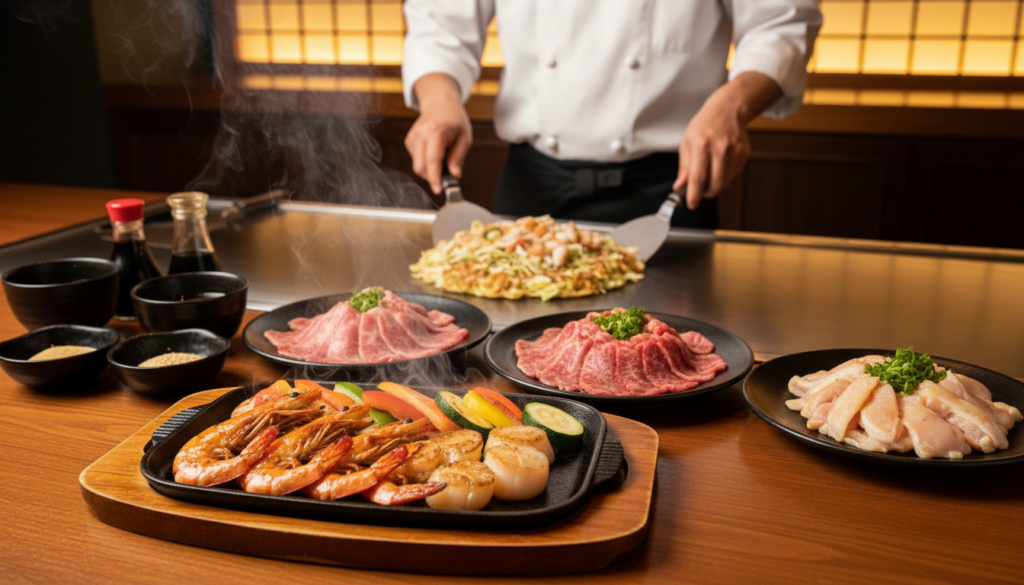
Wagyu beef is the crown jewel of any teppanyaki menu due to its incredible marbling and tenderness. To start, ensure your grill surface is preheated to a high, consistent temperature. Season the meat lightly with sea salt and cracked black pepper just before it touches the hot steel.
Place the beef on the grill and sear each side for about two minutes to lock in the juices. Use a sharp spatula to slice the beef into bite-sized cubes, allowing the center to remain a perfect medium-rare. Serve immediately with a side of garlic chips or a light soy-based dipping sauce to enhance the natural richness of the fat.
Crafting Delicate Seafood and Vegetable Medleys
Seafood requires a more gentle touch compared to hearty proteins. When preparing scallops or shrimp, keep the heat at a medium-high setting to prevent the delicate proteins from becoming rubbery. Always pat your seafood dry before placing it on the grill to ensure a beautiful, golden-brown crust.
Complement your seafood with a vibrant medley of seasonal vegetables like asparagus, shiitake mushrooms, and zucchini. Toss these vegetables in a small amount of sesame oil and soy sauce, cooking them until they are tender yet still crisp. This balance of textures is what makes these famous teppanyaki dishes a true delight for the senses.
Remember that the secret to success lies in the order of operations. Cook your vegetables first if they require longer times, or keep them moving constantly to ensure even caramelization. With practice, you will find that these simple steps lead to consistently delicious results every time you fire up the grill.
Creating the Perfect Teppanyaki Dining Experience at Home
A truly memorable teppanyaki dining experience relies on the perfect balance of comfort and performance. While the quality of your ingredients is paramount, the environment you cultivate defines the success of your evening. By focusing on small details, you can transform a standard meal into an immersive event that celebrates the joy of shared dining.
Setting the Atmosphere for Guests
Start by curating a space that feels both welcoming and sophisticated. Soft, warm lighting helps create an intimate mood, while background music—perhaps some gentle instrumental jazz or traditional Japanese melodies—adds a layer of depth to the room. Ensure your seating arrangement allows guests to see the grill clearly, as the visual aspect is a core component of the evening.
Comfort is just as important as style when hosting. Keep the dining area well-ventilated to manage smoke and heat, ensuring your guests remain relaxed throughout the meal. A clean, organized space allows you to focus entirely on your cooking rather than scrambling for supplies.
The Art of Tableside Presentation
The magic of this culinary style lies in the theatrical performance of the chef. As you prepare each dish, engage your guests by explaining the ingredients or sharing a brief story about the recipe. Precision in your movements, such as the rhythmic chopping of vegetables or the graceful flipping of proteins, turns the cooking process into a captivating show.
Timing is essential for a smooth flow. Serve dishes in small, manageable portions so that guests can enjoy them while they are at their peak temperature. Proper plating, using minimalist ceramic dishes, will highlight the vibrant colors of your fresh ingredients and complete the professional look of your teppanyaki dining experience.
| Element | Casual Approach | Professional Style |
|---|---|---|
| Lighting | Bright overhead | Warm, dimmable |
| Music | Top 40 hits | Instrumental/Ambient |
| Service | Buffet style | Tableside performance |
| Plating | Standard plates | Artistic arrangement |
How to Find the Best Teppanyaki Restaurants Near You
When you crave a high-quality teppanyaki dining experience, knowing where to look makes all the difference. While many places offer grilled food, finding a venue that honors the traditional craft requires a bit of research. By focusing on specific details, you can ensure your next meal is truly memorable.
What to Look for in Authentic Dining Venues
Authenticity often starts with the precision of the chef. A great venue prioritizes fresh, high-quality ingredients like Wagyu beef and seasonal seafood. You should look for a clean, well-maintained grill surface that shows signs of regular, professional care.
The atmosphere is another vital indicator of quality. Authentic establishments often emphasize the tableside performance, where the chef interacts with guests while maintaining a respectful and focused demeanor. If the environment feels rushed or overly commercial, it may lack the soul of a traditional kitchen.
Utilizing Online Reviews and Local Recommendations
When searching for a teppanyaki restaurant near me, online platforms serve as a helpful starting point. However, you should read reviews with a critical eye. Look for comments that specifically mention the skill of the chef and the freshness of the ingredients rather than just the entertainment value.
Local recommendations from food enthusiasts can also provide valuable insights. Engaging with community forums or asking friends who appreciate Japanese cuisine often leads to hidden gems. Use the following table to help evaluate potential dining spots based on key performance indicators.
| Feature | Authentic Venue | Standard Venue |
|---|---|---|
| Ingredient Quality | Premium/Seasonal | Mass-produced |
| Chef Skill | High Precision | Basic Grilling |
| Atmosphere | Refined/Cultural | Loud/Generic |
| Service Style | Attentive/Personal | Transactional |
Ultimately, your teppanyaki dining experience should feel like a celebration of culinary art. By vetting your options carefully, you can find a teppanyaki restaurant near me that delivers both flavor and theater. Trust your instincts and prioritize quality over convenience for the best results.
Evaluating Top Teppanyaki Restaurants in the United States
Finding the best teppanyaki restaurants in the United States requires a keen eye for detail and a love for culinary artistry. Across the country, from bustling coastal cities to quiet urban centers, chefs are refining the balance between high-energy performance and delicate flavor profiles. This evolution has turned many local spots into destinations for food lovers seeking a memorable night out.
Regional Highlights and Renowned Establishments
Major metropolitan areas often lead the way in setting high standards for this cuisine. In cities like New York, Los Angeles, and Chicago, you will find venues that prioritize premium Wagyu beef and fresh, locally sourced seafood. These establishments often feature popular teppanyaki dishes that highlight the natural sweetness of seasonal vegetables paired with house-made ponzu or garlic soy sauces.
When visiting these locations, look for chefs who demonstrate deep respect for their ingredients. The most respected venues are those that maintain a consistent flow of service while ensuring every guest feels the warmth of the kitchen. Whether you are in the heart of Manhattan or the suburbs of California, the commitment to quality remains the primary indicator of a superior dining venue.
“The essence of teppanyaki lies not just in the fire, but in the silent conversation between the chef, the ingredients, and the guest.”
What Makes a Teppanyaki Experience Truly Authentic
Authenticity in this style of cooking is defined by precision and the quality of the raw materials. While many places focus on the “show,” the best teppanyaki dishes are those where the sear is perfect and the seasoning is subtle. A truly great chef knows exactly when to pull the protein from the heat to preserve its tender texture.
To help you evaluate your next dining choice, consider the following comparison of key service elements found in high-end establishments versus standard venues:
| Feature | Authentic Venue | Standard Venue |
|---|---|---|
| Ingredient Quality | Premium/Seasonal | Mass-produced |
| Chef Skill | Precision Focused | Performance Focused |
| Flavor Profile | Balanced/Subtle | Heavy/Salty |
| Atmosphere | Refined/Intimate | Loud/Chaotic |
Ultimately, the most popular teppanyaki dishes are those that respect the integrity of the food. By focusing on these standards, you can better appreciate the nuances that define a high-end meal. Choosing the right venue ensures that your evening is defined by both exceptional taste and professional hospitality.
Safety Tips and Maintenance for Your Traditional Teppanyaki Grill
Keeping your cooking surface in top shape ensures every meal tastes like a professional creation. A traditional teppanyaki grill is a significant investment that rewards you with incredible flavors when treated with proper care. Consistent maintenance protects your equipment and keeps your kitchen environment safe for everyone.
Cleaning and Seasoning Your Grill Surface
After each use, you should gently scrape away food debris while the metal is still warm. Use a high-quality scraper to remove residue without scratching the surface. Never use harsh chemicals or abrasive steel wool, as these can damage the specialized finish of your traditional teppanyaki grill.
Seasoning is the process of creating a natural non-stick layer on the steel. Apply a thin coat of high-smoke-point oil, such as grapeseed or vegetable oil, and heat it until it smokes slightly. Wipe away the excess oil with a clean cloth to ensure an even, protective coating that improves heat distribution.
“The secret to a perfect sear lies not just in the ingredients, but in the integrity of the steel surface you cook upon.”
Fire Safety and Proper Ventilation Practices
Cooking with high heat requires strict attention to fire safety. Always keep a fire extinguisher rated for grease fires nearby and never leave your traditional teppanyaki grill unattended while it is active. Ensure that all flammable materials, such as paper towels or wooden utensils, are kept at a safe distance from the heat source.
Proper ventilation is equally critical for indoor setups. High-heat cooking produces smoke and steam that must be cleared effectively to maintain air quality. Install a powerful range hood directly above your unit to capture airborne particles and keep your kitchen comfortable.
| Maintenance Task | Frequency | Purpose |
|---|---|---|
| Surface Scraping | After every use | Prevent buildup |
| Deep Cleaning | Weekly | Sanitation |
| Oil Seasoning | Monthly | Non-stick protection |
| Ventilation Check | Quarterly | Airflow efficiency |
Conclusion
Mastering the art of teppanyaki transforms your kitchen into a vibrant stage for culinary creativity. This journey blends precise technical skill with the pure joy of interactive dining.
You now possess the knowledge to select premium ingredients and maintain your equipment for years of service. Bringing these authentic Japanese flavors into your home creates a unique atmosphere for every guest.
Start your first session by focusing on simple, high-quality proteins like Wagyu beef or fresh scallops. Watch how your friends and family react to the sizzle and aroma of a meal prepared right before their eyes.
Food serves as a powerful art form that connects people through shared experiences. We encourage you to experiment with new techniques and seasonal produce to keep your menu exciting.
Share your favorite teppanyaki creations on social media to inspire other home chefs. Your dedication to this craft ensures that every meal becomes a memorable event worth repeating.