Modern hosts are moving away from passive service to create a truly memorable atmosphere. Gone are the days of static buffets that leave guests feeling bored. Today, people crave a unique special occasion dining experience that sparks conversation and joy.
Deluxe Fun Dining was recently voted the Best Restaurant in Charlotte in 2024. This achievement highlights the massive demand for high-energy, culinary environments. By focusing on sensory details and active participation, you can ensure your gathering leaves a lasting impression on every attendee.
Transforming standard catering into an interactive dining experience for special events is easier than you might think. When you prioritize engagement, you turn a simple meal into the highlight of the night. Let us explore how to elevate your next celebration through creative food presentation and guest involvement.
Key Takeaways
- Shift from passive catering to active guest participation to boost engagement.
- High-energy culinary environments are currently trending in the United States.
- Focusing on sensory details creates a more memorable atmosphere for attendees.
- Deluxe Fun Dining serves as a prime example of successful modern hospitality.
- Personalized food stations encourage social interaction among your guests.
Defining the Interactive Dining Experience for Special Events
The landscape of event hospitality is undergoing a dramatic transformation that prioritizes guest engagement over traditional service. Today, the most successful gatherings rely on interactive dining for celebrations to create lasting impressions on attendees. This shift moves the focus from simply feeding a crowd to crafting a memorable, shared journey.
The Evolution of Modern Event Catering
Event catering has traveled a long path from the days of standard, static buffet lines. In the past, guests waited in long queues for pre-plated meals that lacked personality or connection to the event theme. Modern catering now emphasizes chef-driven performances where the preparation itself becomes part of the entertainment.
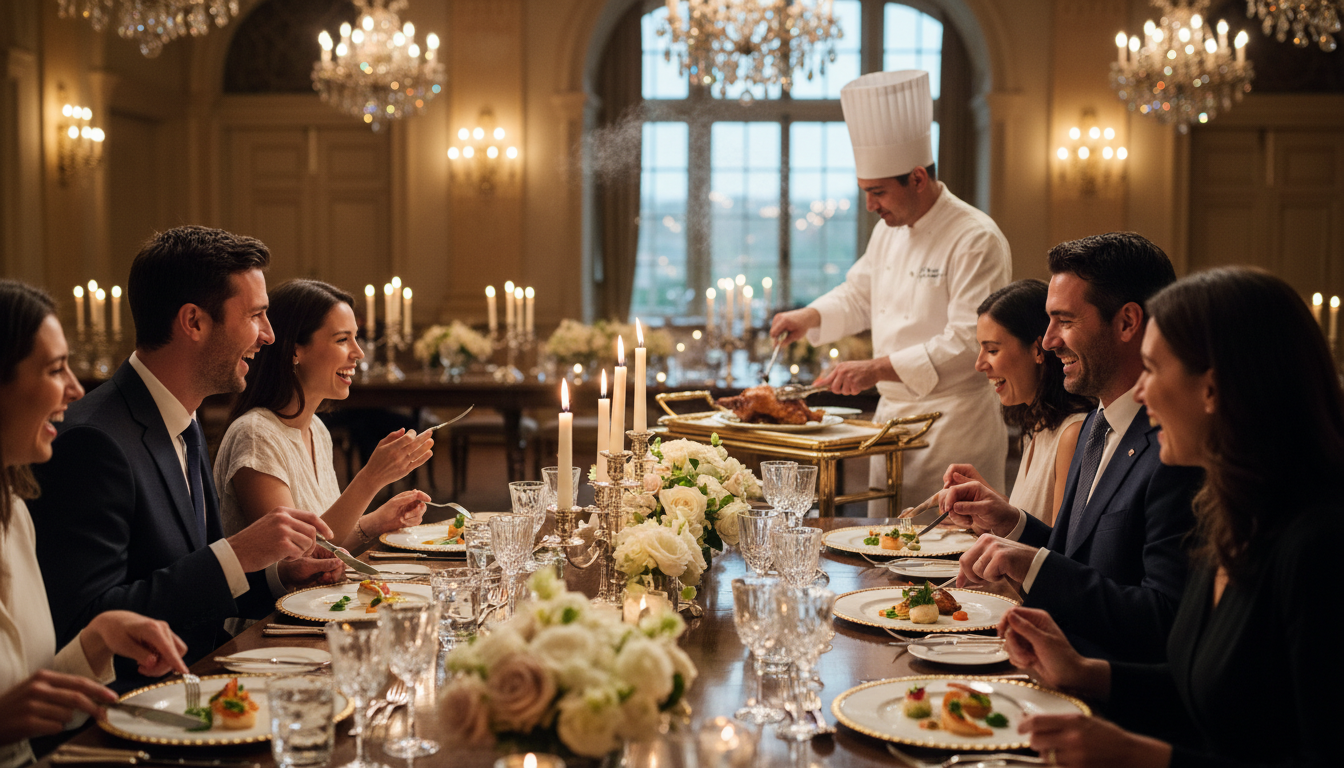
Professional caterers now design stations that function as live theaters. By integrating skilled chefs who interact directly with guests, hosts can transform a standard meal into a highlight of the evening. This evolution ensures that interactive dining for celebrations remains a top priority for event planners looking to impress.
Why Guests Crave Participation Over Passive Dining
Guests today are looking for more than just sustenance; they want to feel involved in the experience. When people participate in the creation of their meal, they form a deeper emotional connection to the event. This sense of agency turns a routine dinner into a dynamic social activity that encourages conversation and networking.
The following table highlights the key differences between traditional service and modern, engaging formats:
| Feature | Traditional Dining | Interactive Dining |
|---|---|---|
| Guest Role | Passive Observer | Active Participant |
| Service Style | Pre-plated or Buffet | Live Action Stations |
| Social Impact | Limited Interaction | High Engagement |
| Customization | Fixed Menu | Personalized Choices |
By choosing interactive dining for celebrations, you provide guests with the freedom to customize their plates. This level of personalization ensures that every attendee leaves feeling satisfied and valued. Ultimately, the move toward participation is what defines the future of high-end event hospitality.
Setting the Vision and Theme for Your Culinary Event
Designing unique event dining experiences requires a thoughtful approach to both purpose and personality. Before you select a menu, you must define the core message you want to convey to your guests. A clear vision acts as a compass, ensuring that every bite and interaction serves your broader goals.
Aligning Food Concepts with Event Objectives
Your menu should reflect the nature of your gathering. For a corporate gala, you might prioritize sophisticated, streamlined service that allows for networking without distraction. In contrast, a private birthday party offers the freedom to embrace playful, high-energy food concepts that celebrate the guest of honor.
Consider the following strategies to ensure your food aligns with your goals:
- Identify the primary purpose: Is it to impress, to celebrate, or to facilitate business?
- Match the service style to the venue’s flow and the event’s timeline.
- Ensure the culinary narrative supports the overall brand or personal story.
Selecting Themes That Encourage Social Interaction
The best themes do more than look good; they act as natural icebreakers. By choosing a concept that requires guest participation, you foster a more dynamic and engaging atmosphere. When people work together to build a plate or share a unique dish, they naturally begin to converse.
“The secret to a successful event is not just the quality of the food, but the quality of the connections made over the table.”
To create truly unique event dining experiences, focus on themes that invite movement. Interactive stations, such as a build-your-own taco bar or a live pasta toss, encourage guests to step away from their seats. This movement breaks down social barriers and turns a standard meal into a memorable, collaborative event.
Choosing the Right Venue for Immersive Culinary Events
When planning immersive culinary events, the venue acts as the stage for your performance. Selecting the right space is not just about capacity; it is about creating an environment where food and interaction can thrive together. A well-chosen location ensures that your guests feel comfortable while engaging with chefs and culinary displays.
Evaluating Space Requirements for Live Cooking Stations
Live cooking stations require a significant amount of floor space to function effectively. You must account for the footprint of the equipment, the chef’s workspace, and the area where guests will gather. Visibility is key, so ensure the layout allows attendees to watch the action without blocking main walkways.
To maintain a smooth flow during your immersive culinary events, consider these essential spatial factors:
- Clear sightlines: Position stations so guests can see the preparation from multiple angles.
- Guest circulation: Leave at least six feet of clearance around each station to prevent overcrowding.
- Safety zones: Keep hot equipment away from high-traffic paths to protect your guests and staff.
Logistical Considerations for Interactive Setups
Beyond the physical layout, the technical infrastructure of your venue is vital for success. Many interactive setups rely on high-powered induction burners, specialized lighting, or digital displays that demand reliable power access. Always verify the electrical capacity of the room before finalizing your floor plan to avoid unexpected outages.
Ventilation is another critical factor that is often overlooked. If your immersive culinary events involve searing, grilling, or flambéing, the venue must have adequate air filtration or high ceilings to manage smoke and heat. Proper planning in these areas ensures that your event runs smoothly from start to finish, allowing you to focus on the guest experience rather than technical hurdles.
Designing Engaging Food Stations and Live Action Displays
Your guests deserve more than just a meal; they deserve an experience that engages all their senses. By shifting the focus from static buffets to dynamic displays, you turn the act of eating into a highlight of the event. Thoughtful design ensures that every station serves as a visual anchor for your venue.
Chef-Attended Stations That Spark Conversation
Live action stations bridge the gap between the kitchen and the guest. When a professional chef prepares food right in front of the crowd, it creates an immediate sense of theater. At Deluxe Fun Dining, creative presentations like popcorn shrimp served from a real popcorn machine are designed specifically to make guests smile and spark conversation.
These interactions allow chefs to explain ingredients and cooking techniques in real-time. This human connection adds a layer of authenticity that pre-plated meals simply cannot match. Guests feel more comfortable asking questions, which naturally leads to a more relaxed and social atmosphere.
DIY Culinary Bars for Personalized Guest Experiences
Empowering your guests to take control of their plates is a fantastic way to ensure satisfaction. DIY bars allow attendees to build their own meals based on their specific cravings. This approach is essential for creating personalized dining experiences that feel tailored to every individual in the room.
Customizing Toppings and Flavor Profiles
The secret to a successful DIY station lies in the variety of options provided. By offering a wide array of toppings and sauces, you allow guests to experiment with different flavor profiles. Whether it is a taco bar with unique salsas or a gourmet slider station, the ability to customize ensures that everyone finds something they love.
| Station Type | Primary Benefit | Interaction Level |
|---|---|---|
| Chef-Attended | Expertise & Theater | High |
| DIY Culinary Bar | Customization & Choice | Very High |
| Pre-Plated | Speed & Efficiency | Low |
Ultimately, these interactive setups foster a sense of community among your attendees. When you prioritize personalized dining experiences, you demonstrate that you value your guests’ preferences. This attention to detail is what transforms a standard event into an unforgettable occasion.
Integrating Technology into Your Special Occasion Dining Experience
The modern landscape of events is shifting rapidly as digital tools become essential for a truly memorable special occasion dining experience. Much like the immersive, tiered environments found at Tao in Los Angeles, today’s hosts are using technology to build a dramatic universe around their guests. By blending physical atmosphere with digital innovation, you can transform a standard meal into a captivating journey.
Using Augmented Reality to Enhance Plate Presentation
Augmented reality (AR) offers a unique way to surprise your guests before they even take their first bite. By simply pointing a smartphone at a plate, diners can trigger stunning visual animations that tell the story of the ingredients or the chef’s inspiration. This layer of digital flair turns every course into an interactive piece of art.
“The future of fine dining lies in the seamless marriage of culinary craft and digital storytelling, where every plate becomes a canvas for innovation.”
Digital Menus and Interactive Ordering Systems
Moving away from paper menus allows for a more dynamic and responsive service flow. Digital menus provide guests with instant access to high-resolution photos, detailed ingredient lists, and even wine pairing suggestions tailored to their specific choices. These systems streamline the special occasion dining experience by reducing wait times and allowing for real-time updates to the menu.
The following table highlights how integrating these technologies compares to traditional service methods:
| Feature | Traditional Service | Tech-Enhanced Service |
|---|---|---|
| Menu Updates | Manual printing required | Instant digital changes |
| Guest Engagement | Passive reading | Active, immersive interaction |
| Data Collection | Limited feedback | Real-time preference tracking |
| Visual Appeal | Static presentation | Dynamic AR overlays |
By embracing these high-tech solutions, you ensure that your event remains at the forefront of modern hospitality. A well-executed special occasion dining experience now relies on the perfect balance between human touch and digital precision.
Curating Unique Event Dining Experiences Through Storytelling
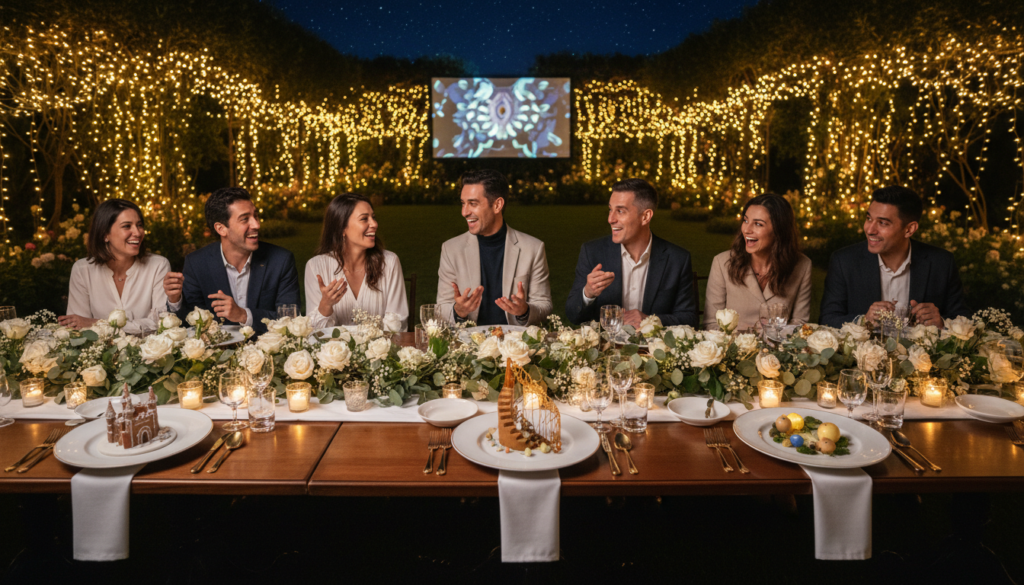
Storytelling serves as the secret ingredient for crafting truly unique event dining experiences. When you weave a narrative into your menu, you transform a simple meal into a memorable journey for your guests. This approach ensures that every dish feels intentional and connected to a larger purpose.
Connecting Menu Items to a Narrative or Brand Story
A cohesive theme allows guests to understand the vision behind the food. For instance, the restaurant Meteora in Los Angeles masterfully uses live fire and rare, sustainably sourced ingredients to tell a story of ancient-meets-future cooking. By mirroring this strategy, you can align your menu with your brand values or a specific event goal.
Consider how each course can represent a chapter in your story. Whether you are highlighting local history or a futuristic concept, the food should act as a bridge between the guest and your message. This level of detail is what separates standard catering from immersive culinary events.
The Role of Sensory Elements in Immersive Dining
True immersion requires engaging all five senses to create a lasting impact. Lighting and sound play a critical role in setting the mood and reinforcing your chosen narrative. Soft, warm lighting can evoke a sense of intimacy, while curated soundscapes can transport guests to a different time or place.
When you combine these sensory layers with high-quality ingredients, you create truly unforgettable moments. These immersive culinary events rely on the harmony between the environment and the plate. By focusing on the atmosphere, you ensure that your unique event dining experiences resonate deeply with every attendee.
Managing Logistics for Innovative Event Dining Concepts
Bringing innovative event dining concepts to life requires more than just great food; it demands a master plan. While the creative vision captures the imagination of your guests, the underlying logistics ensure the event runs smoothly from start to finish. A well-organized team is the backbone of any successful interactive culinary experience.
Coordinating Staff Training for Interactive Service
Interactive service is a unique skill set that goes beyond traditional table service. Your staff must act as both culinary guides and hosts, engaging guests while maintaining a professional demeanor. Comprehensive training ensures that every team member understands how to explain ingredients and manage guest interactions with confidence.
When staff members are well-prepared, they can handle unexpected questions or requests with ease. This level of service elevates the overall atmosphere and makes the event feel truly special. Investing time in role-playing scenarios helps the team prepare for the dynamic nature of live service.
Ensuring Food Safety During Live Preparation
Maintaining strict food safety standards is non-negotiable when cooking in front of an audience. Successful establishments like Deluxe Fun Dining prioritize the use of high-quality, locally-sourced ingredients to ensure both flavor and safety. Every station must be equipped with the right tools to monitor temperatures and prevent cross-contamination.
Proper sanitation protocols should be integrated into the workflow of every chef-attended station. By keeping workspaces clean and organized, you protect your guests while showcasing the beauty of fresh, raw ingredients. Consistency in these practices builds trust and ensures a safe environment for everyone involved.
Best Practices for Handling High-Traffic Stations
Managing high-traffic areas is essential for maintaining the flow of your event. To prevent bottlenecks, ensure that your layout allows for easy movement and clear lines of sight. Strategic placement of ingredients and equipment helps chefs work efficiently without compromising on safety or presentation.
| Logistics Factor | Standard Service | Interactive Service |
|---|---|---|
| Staff Role | Delivery Focused | Engagement Focused |
| Safety Focus | Kitchen Hidden | Visible Compliance |
| Guest Flow | Linear | Dynamic |
| Equipment | Basic | Specialized |
Personalizing the Guest Journey with Custom Dining Events
Creating personalized dining experiences is the most effective way to ensure your guests feel truly valued. When you focus on the individual, you transform a standard meal into a memorable highlight of your event. By prioritizing these details, you build a stronger connection between your brand and your audience.
Tailoring Menus to Dietary Preferences and Allergies
Modern custom dining events must be inclusive to be successful. You can maintain an interactive atmosphere while still accommodating specific needs like gluten-free, vegan, or nut-free requirements. The key is to train your chefs to explain the ingredients clearly at every live station.
Consider using color-coded signage or digital displays to highlight allergen information. This allows guests to navigate the food stations with confidence and ease. Inclusivity ensures that every attendee participates in the culinary journey without feeling left out.
Creating Interactive Take-Home Culinary Kits
Extend the magic of your event by providing guests with interactive take-home kits. These kits allow attendees to recreate a signature dish or cocktail in their own kitchens. It serves as a lasting reminder of the high-quality experience you provided.
You might include pre-measured spices, a custom recipe card, or even a small branded tool used during the event. This thoughtful touch turns a one-time meal into a long-term engagement strategy. It keeps your event fresh in the minds of your guests long after they head home.
| Strategy | Primary Benefit | Guest Impact |
|---|---|---|
| Customized Menus | Inclusivity | High satisfaction |
| Live Chef Interaction | Engagement | Stronger connection |
| Take-Home Kits | Brand Recall | Extended experience |
Selecting the Perfect Experiential Dining Options
Crafting an unforgettable event starts with selecting the right experiential dining options. The format you choose dictates how guests interact with their food and each other throughout the evening. By aligning your service style with the overall event goals, you create a cohesive atmosphere that resonates with every attendee.
Comparing Buffet-Style Interaction vs. Plated Engagement
Buffet-style service naturally encourages movement and social mingling. It allows guests to customize their plates, which is ideal for diverse groups with varying tastes. However, this format requires careful management to prevent long lines and ensure that food remains at the perfect temperature.
In contrast, plated engagement offers a more controlled and sophisticated pace. This style allows chefs to present artistic dishes that tell a specific story. While it limits physical movement, it provides a focused environment where guests can fully appreciate the culinary craftsmanship behind innovative event dining concepts.
| Feature | Buffet Style | Plated Style |
|---|---|---|
| Guest Interaction | High (Movement) | Low (Seated) |
| Customization | High | Low |
| Presentation | Functional | Artistic |
Incorporating Mixology and Beverage Pairing Workshops
To elevate your event further, consider adding interactive beverage components. Mixology workshops invite guests to step behind the bar and learn the art of crafting signature cocktails. This hands-on approach turns a standard drink service into a memorable activity.
You might also explore sensory-focused experiences, such as a Dining in the Dark session. By removing visual cues, you force guests to focus entirely on the flavors and textures of a 3-course menu featuring meat, seafood, or vegan options. These innovative event dining concepts prove that when you engage the senses, you create a deeper connection to the meal. Pairing these workshops with your main dining service ensures that every aspect of your experiential dining options feels intentional and refined.
Budgeting for High-Impact Interactive Dining
Strategic financial planning is the secret behind every successful and immersive dining occasion. When you choose experiential dining options, you are investing in more than just a meal; you are creating a lasting memory for your guests. A well-structured budget ensures that your vision comes to life without unexpected financial strain.
Allocating Resources for Specialized Equipment and Talent
The foundation of a high-impact event lies in the quality of your tools and the expertise of your team. You must prioritize funds for specialized equipment, such as mobile cooking stations or high-end audiovisual gear that supports your theme. These items are essential for creating a seamless flow during the event.
Do not overlook the importance of professional culinary talent. Hiring skilled chefs who can engage with guests is a vital part of your investment. These professionals do more than cook; they act as performers who elevate the entire atmosphere of your gathering.
Maximizing Value Without Sacrificing Quality
You can achieve a premium feel by focusing on high-impact areas rather than spreading your budget too thin. Select experiential dining options that offer the most engagement for your specific audience. By concentrating your resources on one or two “wow” factors, you maintain high standards while keeping costs manageable.
Consider the following breakdown to help you allocate your budget effectively for your next event:
| Category | Budget Allocation | Impact Level |
|---|---|---|
| Culinary Talent | 40% | High |
| Specialized Equipment | 30% | Medium |
| Decor & Atmosphere | 20% | Medium |
| Contingency Fund | 10% | Essential |
Ultimately, the goal is to provide a cohesive experience that feels intentional and polished. When you balance your spending across these key pillars, you ensure that your guests leave impressed. Smart planning allows you to explore diverse experiential dining options while staying firmly within your financial goals.
Executing the Event with Precision and Flair
The success of your custom dining events relies on a seamless blend of careful planning and spontaneous energy. When you host an interactive experience, the goal is to keep guests engaged without causing frustration. A well-executed event feels effortless, even when complex logistics are happening behind the scenes.
Managing Flow and Preventing Bottlenecks
Strategic layout design is the most effective way to keep guests moving through your culinary stations. If you place popular items in a single corner, you invite congestion that can dampen the mood. Instead, spread your interactive stations throughout the venue to encourage natural movement.
Consider these tips to maintain a smooth guest flow:
- Stagger start times for different food zones to avoid a sudden rush.
- Use clear signage to guide guests toward less crowded areas.
- Design stations with dual-sided access so guests can approach from multiple angles.
- Assign dedicated staff to monitor traffic and redirect guests when a line begins to form.
Troubleshooting Common Interactive Dining Challenges
Even the best-laid plans can face unexpected hurdles during live service. Being prepared for these moments allows you to maintain the high standards of your custom dining events. Quick thinking and a calm demeanor are your best tools when things do not go exactly as expected.
Review this guide to handle common issues with confidence:
| Challenge | Immediate Action | Long-term Fix |
|---|---|---|
| Ingredient Shortage | Pivot to a secondary garnish | Increase buffer stock levels |
| Equipment Failure | Switch to a backup station | Perform pre-event stress tests |
| Long Wait Times | Deploy roaming servers | Simplify the assembly process |
Communication is the heartbeat of a successful event. Ensure your team uses discreet headsets to share updates about station status in real-time. When your staff feels empowered to solve problems on the fly, your guests will enjoy a flawless experience from start to finish.
Conclusion
Planning a memorable celebration requires a shift from traditional service to active engagement. An interactive dining experience for special events turns a simple meal into a vibrant social connection. Guests appreciate the chance to participate in the preparation and presentation of their food.
You now possess the tools to design a unique atmosphere that resonates with your attendees. Brands like Wolfgang Puck Catering demonstrate how small details create lasting impressions on guests. Focus on the sensory journey to ensure your event stands out in a crowded market.
Start small by testing one live station or a custom beverage workshop at your next function. This approach builds confidence while you refine your vision for an interactive dining experience for special events. Your guests will value the effort put into making their time feel personal and exciting.
Reach out to local chefs or event planners to begin building your dream menu today. Share your favorite ideas with us on social media to inspire others in the industry. We look forward to seeing how you bring these creative concepts to life at your upcoming gatherings.