
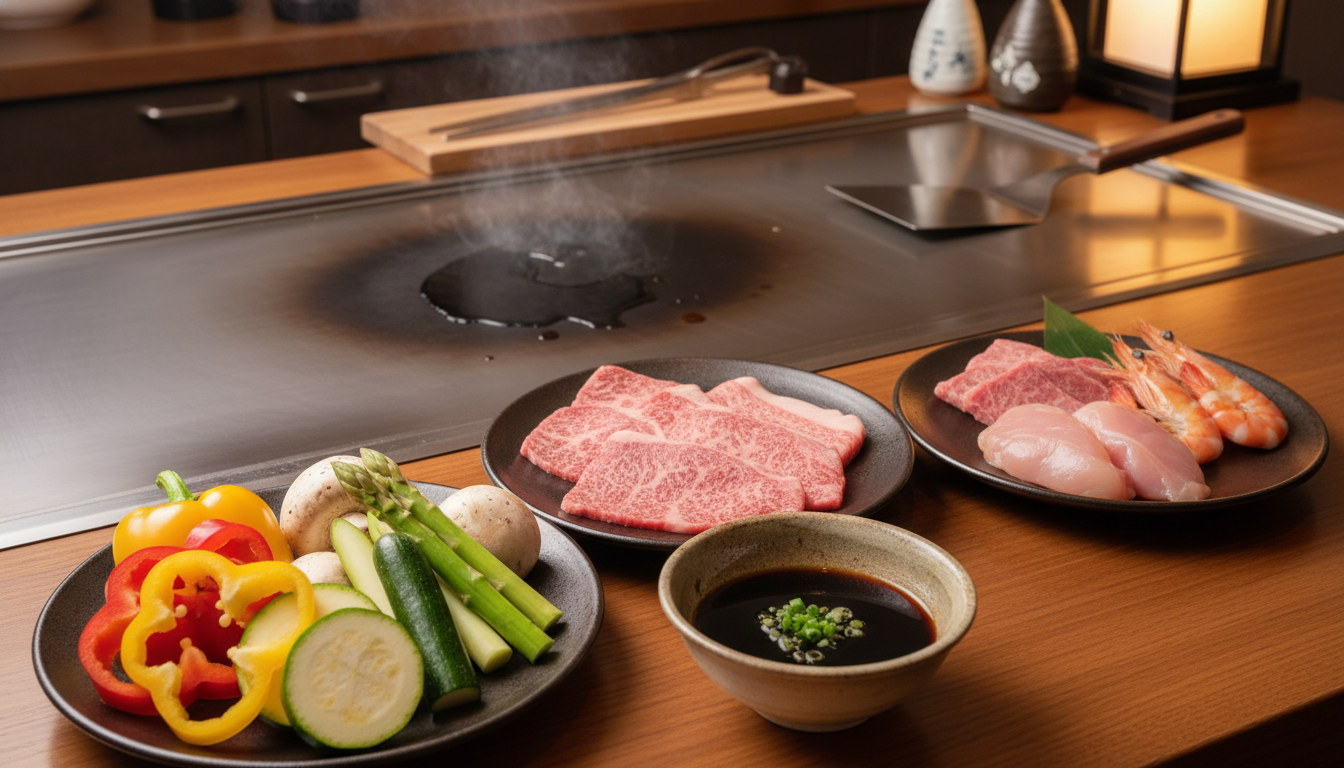
Bringing the excitement of a hibachi grill into your home is a rewarding culinary adventure. To truly master this style of cooking, you must focus on the quality of your components. Selecting the right items is the secret to turning a simple meal into a restaurant-quality event right in your own kitchen.
Authentic results rely on fresh, high-quality produce and proteins. When you prioritize exceptional sourcing, you enhance the natural flavors of your food during the searing process. This guide will help you navigate the market to find the best supplies, ensuring your next dinner party is a memorable success.
Key Takeaways
- Focus on sourcing fresh, high-quality proteins like wagyu or wild-caught seafood.
- Select seasonal vegetables that hold their texture well under high heat.
- Use high-smoke point oils to achieve the perfect sear without burning.
- Balance your flavor profile with authentic soy sauces and mirin.
- Prepare all components in advance to ensure a smooth cooking flow.
Understanding the Fundamentals of Teppanyaki Quality
When you cook on a hot, flat grill, there is nowhere for subpar ingredients to hide. Because the cooking process is so direct and transparent, every component must stand on its own merits. Choosing high-quality teppanyaki ingredients is the most effective way to ensure your final dish is both tender and flavorful.
The Philosophy of Minimalist Preparation
Teppanyaki is rooted in the idea that less is often more. By using a high-heat surface, chefs can sear proteins and vegetables quickly to lock in natural juices. This minimalist approach avoids heavy sauces that might mask the true character of the food.
When you select the best teppanyaki ingredients, you allow the natural sweetness of vegetables and the richness of premium meats to shine. This style of cooking respects the raw product, turning simple items into a gourmet experience through precise heat control.
Why Ingredient Integrity Matters on the Hot Plate
The integrity of your food is tested the moment it touches the searing steel. If a cut of meat is low-grade, the high heat will often reveal its toughness or lack of moisture immediately. Conversely, using superior items ensures a consistent texture that delights the palate.
Investing in quality pays off in the final presentation and taste. The following table highlights how ingredient selection directly influences your cooking results:
| Ingredient Type | Low-Quality Impact | High-Quality Benefit |
|---|---|---|
| Wagyu Beef | Chewy and flavorless | Buttery, melt-in-your-mouth |
| Fresh Seafood | Fishy odor and soft texture | Firm, sweet, and clean taste |
| Seasonal Vegetables | Watery and bland | Crisp, vibrant, and aromatic |
| Cooking Oils | Burnt, bitter aftertaste | Clean, neutral, and light |
By prioritizing the best teppanyaki ingredients, you create a meal that honors traditional Japanese techniques. Always remember that high-quality teppanyaki ingredients serve as the foundation for every successful dish you prepare.
Selecting Premium Ingredients for Teppanyaki Dishes
Achieving restaurant-quality results at home starts with choosing premium ingredients for teppanyaki dishes. Because the cooking process is fast and direct, the quality of your protein is immediately apparent in every bite. Selecting the right items ensures that your meal is both tender and flavorful.
Identifying High-Grade Wagyu and Beef Cuts
When working with beef, the goal is to find cuts that respond well to intense, short bursts of heat. Wagyu is often the gold standard because its unique fat structure melts quickly, creating a buttery texture that is hard to replicate.
Marbling Scores and Texture Expectations
Look for high marbling scores when shopping for beef. Intramuscular fat is the key to success, as it bastes the meat from the inside out while it sears on the hot plate. Thinly sliced beef allows the heat to penetrate evenly, ensuring a tender finish without overcooking the edges.
Sourcing Grass-Fed vs. Grain-Fed Options
Choosing between grass-fed and grain-fed beef depends on your flavor preference. Grain-fed options typically offer a richer, more consistent marbling, while grass-fed beef provides a deeper, more complex mineral taste. Both are excellent top-tier teppanyaki ingredients if sourced from reputable butchers.
Evaluating Seafood Freshness and Sustainability
Seafood requires a delicate touch on the iron plate. You must prioritize freshness to ensure the proteins remain firm and do not fall apart under high heat.
Criteria for Sashimi-Grade Scallops and Shrimp
Always opt for sashimi-grade scallops and shrimp to guarantee the highest safety and quality standards. These items should be firm to the touch and smell like the ocean, never fishy. When selecting these top-tier teppanyaki ingredients, consider the following checklist:
- Color: Scallops should be translucent or creamy white, not yellow.
- Texture: Shrimp should feel snappy and firm, not mushy.
- Origin: Prioritize wild-caught options for better sustainability.
Selecting Firm-Fleshed Fish for High-Heat Grilling
Not all fish can withstand the rigors of a teppanyaki grill. You should select varieties that hold their shape well, such as swordfish, mahi-mahi, or sea bass. These premium ingredients for teppanyaki dishes provide a satisfying, meaty texture that pairs perfectly with soy-based glazes and citrus aromatics.
Sourcing Authentic Teppanyaki Vegetables
Bringing the vibrant flavors of a Japanese grill home starts with sourcing the best vegetables. These items are not merely side dishes; they are essential elements that provide texture and balance to your meal. By choosing authentic teppanyaki ingredients, you ensure that every bite remains crisp and flavorful throughout the cooking process.
Seasonal Selection for Maximum Flavor
Prioritizing produce that is currently in season is the secret to achieving the most intense flavor profiles. Seasonal vegetables are harvested at their peak, meaning they possess a natural sweetness that holds up well against high heat. Always look for local farmers’ markets to find the freshest options available in your region.
Identifying Crispness and Quality in Root Vegetables
When selecting root vegetables like carrots, lotus root, or onions, structural integrity is paramount. You want produce that feels firm to the touch, as this ensures it will maintain a satisfying crunch rather than turning mushy on the hot plate. Avoid any items that show signs of wilting or soft spots, as these will fail to provide the desired texture required for fresh teppanyaki ingredients.
The Importance of Fresh Aromatics and Herbs
Aromatics such as ginger, garlic, and scallions serve as the backbone of your seasoning strategy. Using these ingredients at their freshest state allows their essential oils to release fully when they hit the steel surface. High-quality aromatics transform a simple dish into a professional-grade culinary experience that delights the senses.
Choosing Premium Oils and Seasonings
The secret to professional-grade teppanyaki lies in the specific oils and seasonings you choose for your kitchen. By selecting authentic teppanyaki ingredients, you ensure that every bite carries the signature savory depth found in the world’s best restaurants. These components act as the foundation for your culinary success.
Selecting High-Smoke Point Oils
Teppanyaki cooking involves intense heat that can quickly ruin delicate oils. You must prioritize fats that remain stable under high temperatures to prevent acrid, burnt flavors from ruining your meal.
Benefits of Grapeseed and Avocado Oil
Grapeseed and avocado oils are essential tools for any home chef. They possess high smoke points, allowing you to sear proteins without the oil breaking down or smoking excessively. Using these oils ensures a clean, neutral base that lets the natural flavors of your ingredients take center stage.
“Cooking is at once child’s play and adult joy. And cooking done with care is an act of love.”
The Role of Authentic Soy Sauce and Mirin
Beyond the oil, your choice of liquid seasonings defines the final profile of your dish. Mirin is particularly vital, as it gives ingredients a beautiful lustre while effectively sealing in moisture and flavor.
Distinguishing Between Naturally Brewed and Synthetic Options
When shopping for authentic teppanyaki ingredients, always check the labels on your soy sauce and mirin. Naturally brewed soy sauce offers a complex, fermented depth that synthetic versions simply cannot replicate. Similarly, look for “hon-mirin” to ensure you are getting a high-quality product that provides that perfect glossy finish to your proteins and vegetables.
Mastering the Art of Protein Preparation
Transforming raw cuts into a culinary masterpiece starts long before you turn on your grill. When you invest in top-tier teppanyaki ingredients, the way you handle them determines the final texture and flavor of your dish.
Proper Trimming and Portioning Techniques
Consistency is the hallmark of a great chef. By trimming away excess gristle or uneven fat caps, you ensure that every piece of meat cooks at the same rate.
Portioning your proteins into uniform sizes allows for even heat distribution across the steel surface. This simple step prevents smaller pieces from overcooking while larger chunks remain raw in the center.
Temperature Management Before Hitting the Grill
One of the most common mistakes is placing cold proteins directly onto a hot surface. Taking your meat out of the refrigerator about twenty minutes before cooking allows it to reach room temperature.
This practice ensures that the interior cooks gently while the exterior achieves a perfect sear. Remember that high heat is vital to seal in juices, while lower heat settings help develop the delicate aromas of your top-tier teppanyaki ingredients.
Seasoning Strategies for Enhancing Natural Flavors
The goal of seasoning is to highlight the quality of your protein rather than masking it. Start with a light dusting of sea salt to draw out moisture and create a beautiful crust.
Using top-notch teppanyaki essentials like high-quality soy sauce or mirin at the right moment adds depth without overpowering the dish. Always apply your final seasonings toward the end of the cooking process to maintain the integrity of the ingredients.
By following these preparation steps, you ensure that your meal is as tender as it is flavorful. Proper care during the prep phase is truly the secret to restaurant-quality results at home.
Essential Teppanyaki Cooking Supplies and Tools
To truly elevate your home cooking, you must invest in the proper teppanyaki cooking essentials. Having the right gear allows you to manage heat and ingredients with the precision of a professional chef. When you use the correct equipment, you unlock the full potential of your ingredients, such as the 30% increase in aroma found when using freshly grated garlic over jarred alternatives.
Selecting the Right Spatulas and Scrapers
A high-quality spatula is the most important tool in your kit. You need a blade that is thin enough to slide under delicate proteins but sturdy enough to flip heavy cuts of meat. Precision is key when you are working on a hot surface.
Scrapers are equally vital for managing your workspace. They help you clear debris and move ingredients around the grill efficiently. Investing in premium teppanyaki cooking supplies ensures that your tools will not bend or warp under high heat.
The Importance of Heavy-Duty Steel Surfaces
The cooking surface acts as the heart of your culinary setup. A heavy-duty steel plate provides superior heat retention, which is necessary for achieving a perfect sear. Thin surfaces often lead to uneven cooking and cold spots that ruin the texture of your food.
When your steel is thick and durable, it maintains a consistent temperature even when you add cold ingredients. This stability is what separates a good meal from a truly authentic experience. Always prioritize quality materials to ensure long-term performance.
Maintaining Your Cooking Surface for Optimal Results
Proper maintenance keeps your equipment in top shape for years. After every session, use your scraper to remove food residue while the surface is still warm. A clean surface prevents flavors from previous meals from tainting your fresh ingredients.
Regular seasoning of the steel is also a critical step. Applying a thin layer of oil prevents rust and creates a natural non-stick barrier. This simple habit ensures that your teppanyaki cooking essentials remain reliable and effective.
| Tool Name | Primary Function | Material | Maintenance Level |
|---|---|---|---|
| Steel Spatula | Flipping and searing | Stainless Steel | Low |
| Grill Scraper | Cleaning and clearing | Heavy-Duty Steel | Low |
| Oil Dispenser | Precision seasoning | Glass/Plastic | Medium |
| Tongs | Handling delicate items | Heat-Resistant Steel | Low |
Safety and Handling Tips for Raw Ingredients
Protecting your health starts with how you manage your fresh teppanyaki ingredients before they hit the grill. When working with raw proteins and vegetables, maintaining a clean workspace is the most effective way to prevent foodborne illness. By following these simple protocols, you ensure that your cooking remains a safe and delightful experience for everyone at the table.
Cross-Contamination Prevention Protocols
The golden rule of kitchen safety is to keep raw proteins strictly separated from ready-to-eat produce. Always use dedicated cutting boards for meat and seafood to avoid transferring harmful bacteria to your vegetables. Always wash your hands thoroughly with warm, soapy water after touching raw items.
You should also sanitize your knives and spatulas immediately after they come into contact with raw proteins. This simple habit prevents the spread of pathogens across your cooking surface. Keeping your tools organized is a hallmark of the best teppanyaki ingredients preparation process.
Proper Storage Techniques for Fresh Produce and Proteins
Proper storage is vital to maintain the quality of your ingredients until you are ready to cook. Store raw meats on the bottom shelf of your refrigerator to prevent juices from dripping onto other foods. Use airtight containers for your vegetables to keep them crisp and protected from odors.
- Keep proteins at 40°F or below.
- Store leafy greens in breathable bags.
- Label containers with dates to track freshness.
Temperature Control During Preparation
Temperature management is critical when you are prepping your ingredients for the hot plate. Keep your proteins chilled until the very last second to ensure they remain safe and firm. Interestingly, using fresh wasabi as a side can act as a natural bacteriostatic agent while also helping to enhance your appetite.
| Ingredient Type | Safe Temp Range | Storage Tip |
|---|---|---|
| Wagyu Beef | 32°F – 38°F | Wrap tightly |
| Fresh Seafood | 30°F – 34°F | Keep on ice |
| Root Vegetables | 45°F – 50°F | Cool, dark place |
| Leafy Greens | 35°F – 40°F | Crisper drawer |
Common Mistakes to Avoid When Shopping
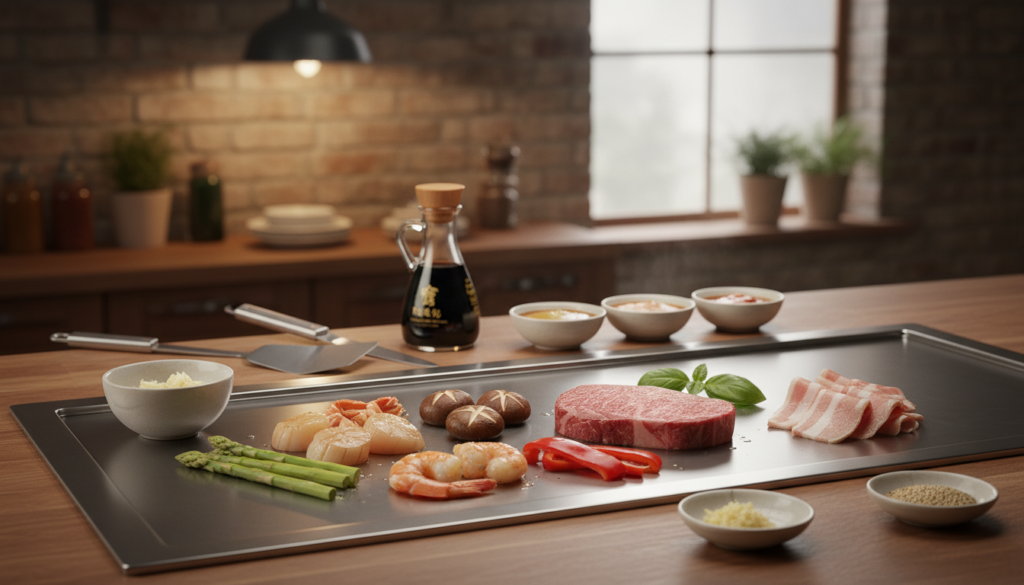
Building a collection of premium teppanyaki cooking supplies starts with knowing what to avoid at the store. Even experienced cooks can fall into traps that compromise the final flavor of their dishes. By staying vigilant, you ensure that every ingredient contributes to a professional-grade meal.
Overlooking the Importance of Origin
Many shoppers focus solely on the price tag rather than the source of their proteins and produce. Authentic teppanyaki cooking essentials often rely on specific regional standards for quality. Always check labels to verify that your beef or seafood comes from reputable suppliers who prioritize ethical practices.
Falling for Marketing Gimmicks in Specialty Stores
It is easy to be swayed by fancy packaging or labels that claim a product is “traditional.” Often, these items are mass-produced and lack the depth of flavor found in authentic alternatives. Always read the ingredient list rather than relying on bold marketing claims on the front of the box.
Ignoring the Impact of Ingredient Moisture Content
Excess moisture is the enemy of a perfect sear on a hot plate. If your vegetables or proteins are waterlogged, they will steam instead of caramelizing properly. Furthermore, be cautious with liquid seasonings; for example, aged mirin that has turned sour can ruin the entire flavor profile of your dish.
| Common Mistake | Negative Impact | Corrective Action |
|---|---|---|
| Ignoring Origin | Inconsistent quality | Verify supplier source |
| Marketing Gimmicks | Overpaying for labels | Read ingredient lists |
| High Moisture | Poor searing results | Pat ingredients dry |
| Expired Mirin | Sour flavor profile | Check for acidity |
Conclusion
Mastering the selection of ingredients serves as the foundation for your journey toward becoming a confident home chef. You now possess the knowledge to identify superior proteins and fresh produce that define authentic Japanese cooking styles.
Building a kitchen stocked with top-notch teppanyaki essentials changes how you approach every meal. High-quality tools and premium seasonings allow you to focus on the artistry of the hot plate rather than worrying about equipment failure.
Your guests will notice the difference when you serve dishes prepared with care and precision. Start sourcing your supplies from reputable vendors like Kikkoman for soy sauce or trusted local butchers for Wagyu beef.
Investing in top-notch teppanyaki essentials ensures your cooking sessions remain enjoyable and productive. Share your favorite recipes with friends and family to celebrate the vibrant flavors of this unique culinary tradition.
Keep exploring new seasonal vegetables and refined techniques to expand your repertoire. Every meal you prepare brings you closer to achieving professional results in your own home kitchen.

8 responses to “How to Choose Premium Ingredients for Teppanyaki Dishes”
[…] flaky, and delicious every single time you step into the kitchen. Before you begin, remember that choosing premium ingredients is the first step toward achieving professional […]
[…] elevate your culinary skills, it is essential to choose premium ingredients for teppanyaki dishes that maintain structural integrity under high heat. By focusing on the balance of flavors, you […]
[…] the right accompaniments can transform it into a truly flavorful seafood dish. When you prioritize premium ingredients, you ensure that every component of your plate shines with […]
[…] to achieving professional results lies in your selection process. Before you begin, it is vital to learn how to choose premium ingredients to ensure your dish stands out. High-quality beef requires very little effort to shine, as the […]
[…] you begin your culinary journey, it is vital to choose premium ingredients to guarantee the best results. Selecting high-quality cuts ensures that your final lamb recipe […]
[…] requires attention to detail and a clean workspace. Before you begin, ensure you understand how to choose premium ingredients to elevate the final flavor profile of your […]
[…] can refine your skills by learning how to choose premium ingredients for teppanyaki to ensure every meal reaches its full potential. Quality sourcing remains the most […]
[…] which can easily overpower the delicate nuances of a perfectly aged steak. Learning the art of choosing premium ingredients for teppanyaki dishes is the first step toward achieving this […]