Planning a gathering often feels like a balancing act between logistics and guest satisfaction. While traditional buffet lines serve a purpose, they rarely leave a lasting impression on your attendees. To truly elevate your event, you should consider moving toward an immersive approach that turns a simple meal into a memorable highlight.
Integrating unique culinary entertainment for parties allows you to break the mold of standard hosting. By focusing on interactive food stations or live chef demonstrations, you create a vibrant atmosphere that keeps people talking long after the event concludes. This shift transforms your role from a mere organizer into a curator of extraordinary experiences.
Thoughtful planning ensures your next celebration is both sophisticated and deeply engaging. Whether you are hosting a small dinner or a large celebration, these actionable steps will help you captivate your guests from the very first bite.
Key Takeaways
- Move beyond standard catering to create an immersive guest experience.
- Use interactive food stations to spark conversation and engagement.
- Focus on high-quality presentation to leave a lasting impression.
- Transform your event into a highlight that guests will remember for years.
- Prioritize thoughtful planning to ensure a sophisticated atmosphere.
Setting the Stage for a Memorable Event
The foundation of any successful celebration lies in the thoughtful arrangement of your physical space. Ambiance serves as the invisible thread that ties your vision together, dictating the mood from the moment guests walk through the door. Effective event planning requires a deep focus on how your environment influences the overall mood and success of the gathering.
Assessing Your Venue and Guest List
Before finalizing your plans, you must evaluate the physical limitations of your chosen location. A space that feels intimate for ten people might become chaotic for fifty, leading to unnecessary crowding. Proper spatial management ensures that your guest experience remains seamless and comfortable throughout the evening.
Consider the natural flow of movement within the room. You want to avoid bottlenecks near food stations or bars, as these can disrupt the social energy. By mapping out your floor plan early, you allow for natural interaction and easy access to all culinary highlights.
Establishing the Tone and Atmosphere
The atmosphere you cultivate acts as the backdrop for your entire culinary journey. Whether you aim for a sophisticated gala or a relaxed garden party, your decor and layout must align with that specific vision. Consistent event planning ensures that every detail, from lighting to table settings, reinforces the intended vibe.
When guests feel comfortable and welcomed, they are more likely to engage with the unique food experiences you provide. Thoughtful placement of furniture and lighting can transform a standard room into an immersive environment. Use the following table to understand how different venue layouts impact your event goals.
| Venue Style | Best For | Guest Experience Impact |
|---|---|---|
| Open Floor Plan | Networking Events | High interaction and fluid movement |
| U-Shaped Seating | Workshops | Focused attention on the chef |
| Lounge Arrangement | Cocktail Parties | Relaxed, intimate social atmosphere |
| Long Banquet Tables | Formal Dinners | Encourages communal conversation |
Defining Your Culinary Vision
Defining your culinary vision ensures that every bite served aligns with your party’s unique atmosphere. A clear plan acts as a roadmap, helping you focus your resources on what truly matters for your guests. Effective menu planning transforms a simple meal into a cohesive experience that reflects your personal style or event theme.
Identifying Your Target Cuisine
Selecting the right cuisine is about finding a balance between your vision and your audience’s expectations. Whether you choose rustic Italian, vibrant street tacos, or refined French fusion, the food should tell a story. Thoughtful menu planning allows you to curate flavors that resonate with the overall vibe of your celebration.
Consider the setting of your event when choosing your culinary direction. A formal gala might call for plated, elegant courses, while a backyard gathering thrives on bold, shareable plates. By narrowing your focus, you create a memorable narrative that keeps guests engaged from the first appetizer to the final dessert.
Balancing Dietary Restrictions and Preferences
Modern hosting requires a proactive approach to dietary needs to ensure every guest feels welcome. You do not want anyone to feel left out because of a food allergy or lifestyle choice. Providing a variety of options is the best way to show your guests that you care about their comfort.
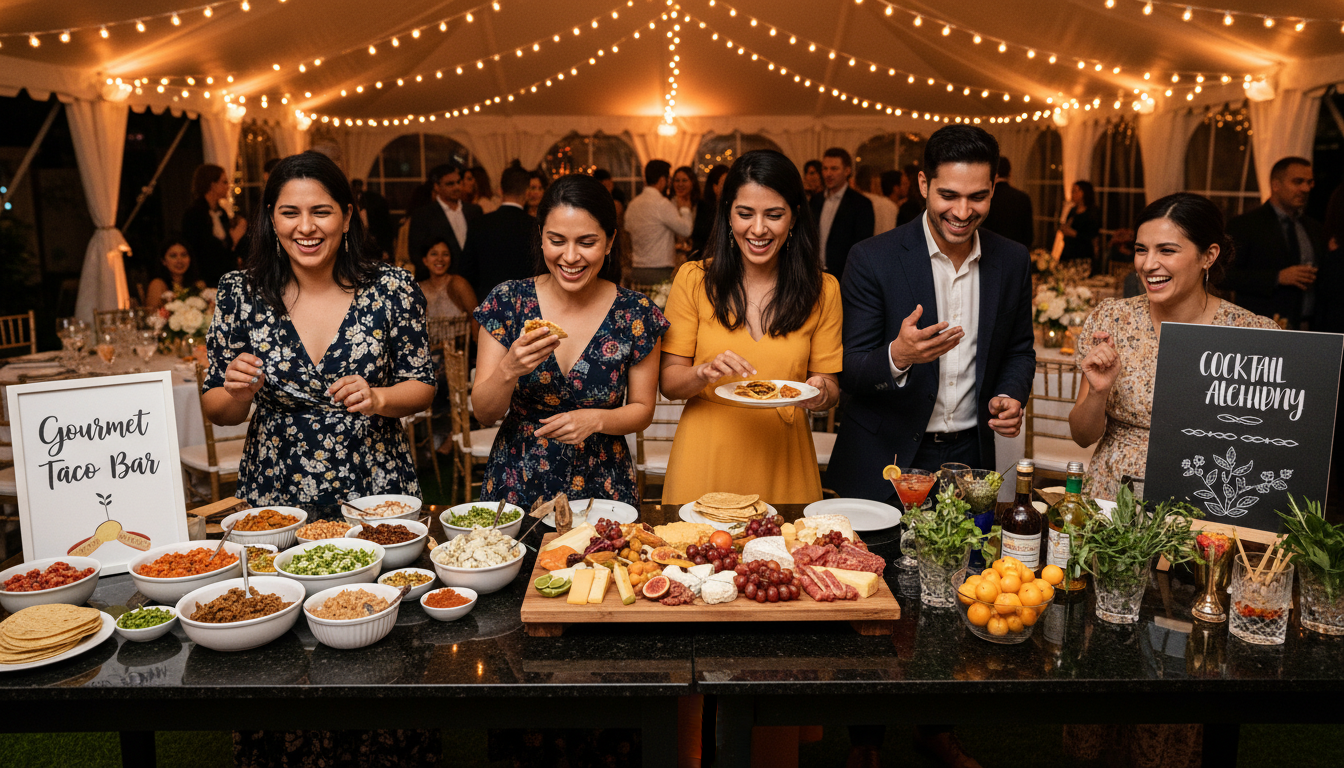
Interactive food stations are a fantastic solution for managing diverse dietary needs without sacrificing flavor. These stations allow guests to customize their plates, ensuring they get exactly what they enjoy while avoiding ingredients that do not suit them. Empowering your guests to build their own meals creates a fun, inclusive environment where everyone leaves satisfied.
Unique Culinary Entertainment for Parties
Transforming a standard meal into a vibrant social experience is the hallmark of modern event planning. By shifting the focus from passive consumption to active participation, you create an environment where guests feel truly involved. This approach serves as a unique culinary entertainment for parties that keeps the energy high from start to finish.
Why Interactive Food Stations Steal the Show
The rise of interactive food stations has changed how we think about catering. These setups allow guests to personalize their plates according to their own tastes, ensuring that every individual finds something they love. This level of customization removes the guesswork from hosting and guarantees high satisfaction.
Beyond the food itself, these stations act as natural social hubs. Guests often gather around these areas to chat while waiting for their custom creations. It is a brilliant way to break the ice and encourage mingling among people who might not know each other well.
Incorporating Live Performance Cooking
Adding a theatrical element to your menu takes the experience to the next level. When you hire a professional to prepare dishes right in front of your guests, you provide unique culinary entertainment for parties that is both visual and delicious. Whether it is a sushi chef slicing fresh fish or a pasta station tossing noodles in a flaming pan, the performance captivates the room.
These live demonstrations turn the act of cooking into a shared spectacle. Guests enjoy watching the skill and precision involved in their meal preparation. By utilizing interactive food stations that feature live chefs, you ensure that your event is remembered for its flair and attention to detail.
Hiring Gourmet Private Chef Services
When you decide to elevate your party, hiring gourmet private chef services becomes a game-changer for your guests. A professional culinary expert brings more than just recipes to your kitchen; they bring a sense of theater and sophistication that turns a simple meal into a memorable event.
Vetting Professional Culinary Talent
Finding the right person to lead your kitchen requires a bit of research. Start by reviewing portfolios and checking references to ensure their style matches your expectations. Professionalism and reliability are just as important as their ability to create delicious dishes.
Consider hiring multiple guest chefs if you want to offer a diverse range of flavors. This approach allows your guests to sample different cuisines throughout the evening, creating a dynamic and exciting atmosphere. It is a fantastic way to keep the energy high and the conversation flowing.
Collaborating on a Custom Menu
Once you have selected your talent, the real fun begins with menu planning. Collaborating on a custom menu ensures that every bite aligns with your specific event goals and guest preferences. Clear communication during this phase is the key to a seamless service.
Do not hesitate to share your vision for the evening with your chosen gourmet private chef services provider. Whether you prefer a multi-course tasting menu or interactive stations, a great chef will work with you to refine the details. This partnership guarantees that your culinary vision comes to life exactly as you imagined.
Designing Interactive Cooking Experiences
Interactive cooking experiences provide a unique way to turn passive observers into active participants. By inviting guests to step into the kitchen, you create a dynamic atmosphere that encourages collaboration and laughter. These activities transform a standard gathering into a memorable journey of discovery.
Hands-on Workshops for Small Groups
Small group workshops allow for personalized attention and a deeper connection among your guests. Whether you are hosting a pasta-making session or learning to prepare seasonal farm-to-table dishes, the focus remains on shared accomplishment. Guests leave with more than just a full stomach; they gain valuable culinary skills they can use at home.
These sessions work best when you keep the group size intimate. This ensures that everyone has enough space to work and can easily interact with the chef. Providing high-quality ingredients and professional tools makes the entire process feel luxurious and rewarding.
DIY Cocktail and Mocktail Bars
A DIY drink station adds a fun, social layer to any event. Guests love the freedom to experiment with fresh herbs, artisanal syrups, and premium spirits under the guidance of a professional mixologist. This creative outlet allows everyone to craft a signature concoction that perfectly suits their palate.
To make the experience even more special, consider providing custom labels and glass bottles. This allows your guests to take their unique creation home as a personalized souvenir. It is a fantastic way to ensure your party remains a topic of conversation long after the final toast.
Curating Themed Dining Experiences
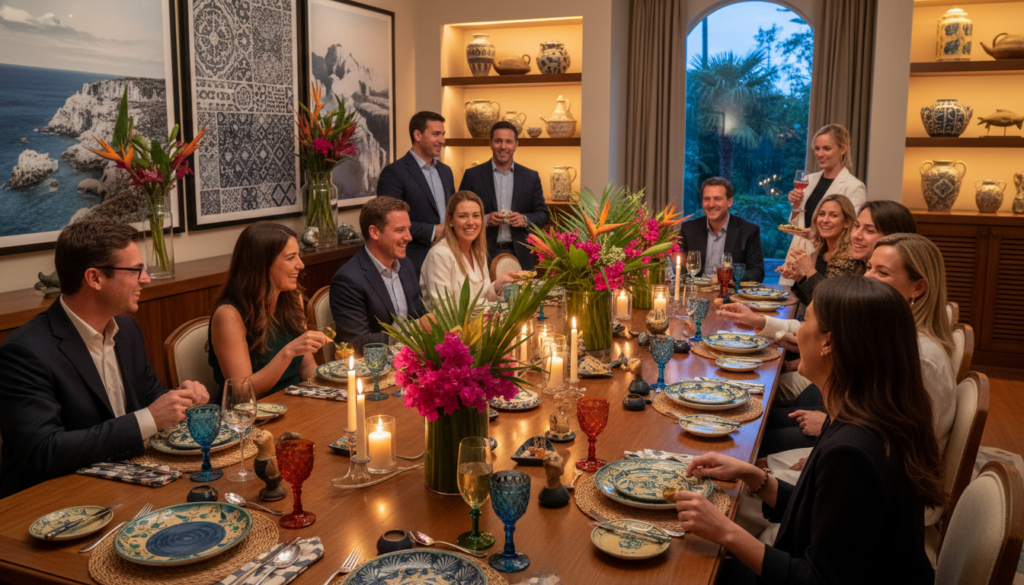
When you host a gathering, themed dining experiences offer a unique way to transport your guests to another world. By selecting a clear narrative, you turn an ordinary meal into an immersive journey that lingers in the memory long after the event concludes.
Transporting Guests Through Global Flavors
Cultural celebrations provide a wonderful foundation for your menu. You can honor traditions by serving authentic dishes that tell a story of heritage and craft. Authenticity is key when you want to make your guests feel like they have traveled across the globe without leaving the room.
Focus on sourcing high-quality, traditional ingredients to ensure the flavors are genuine. Whether you are hosting a Mediterranean feast or a vibrant street food festival, the food should act as the primary guide for your guests’ sensory experience.
Matching Decor to Your Culinary Theme
Once your menu is set, you must align your environment to match the chosen vibe. Cohesive design is essential for creating an atmosphere that feels intentional and well-planned. Using consistent colors, textures, and table settings helps reinforce the narrative you have built.
Lighting and music play a vital role in setting the mood for these themed dining experiences. Soft, warm lighting can create an intimate setting for a rustic Italian dinner, while upbeat, rhythmic music might better suit a lively tropical theme. By carefully curating these elements, you ensure that every detail works in harmony to elevate the overall guest experience.
Planning Bespoke Culinary Events
Bespoke culinary events transform standard parties into high-end experiences through meticulous attention to detail. By focusing on the specific desires of your guests, you create an atmosphere that feels both intimate and grand. This level of customization ensures that every moment of the gathering resonates with your audience.
Personalizing Every Detail of the Service
True bespoke culinary events rely on a seamless flow from the moment an invitation is sent to the final course. You should consider how each interaction reflects the overall theme of your party. Personalized touches, such as custom menu cards or tailored beverage pairings, show your guests that their presence is truly valued.
Managing these high-touch events requires a clear vision and constant communication with your service team. Consistency is the key to maintaining a sophisticated environment throughout the evening. When every staff member understands the specific needs of your guests, the entire experience feels effortless and professional.
“The secret to a successful event lies in the details that guests don’t expect but will never forget.”
Creating Exclusive Tasting Menus
One of the most effective ways to elevate your event is by crafting exclusive tasting menus. These curated selections allow the chef to showcase rare, seasonal ingredients that are not found on standard menus. By highlighting the chef’s unique culinary perspective, you provide a narrative that guides guests through a journey of flavors.
For your most discerning attendees, consider offering VIP tickets that grant access to special food and drink pairings. These exclusive additions provide a sense of luxury and exclusivity that sets your event apart from the rest. Thoughtful curation ensures that every bite serves a purpose in the overall story of your menu.
Mastering Gourmet Food and Wine Pairing
Elevating your event requires a deep understanding of how flavors interact on the palate. Mastering the art of gourmet food and wine pairing can significantly enhance the sophistication of your gathering. When you align the right vintage with the perfect dish, you create a truly memorable sensory experience for every guest.
Working with Professional Sommeliers
Collaborating with a professional sommelier takes the guesswork out of your beverage program. These experts possess the deep knowledge required to curate a selection that perfectly complements your specific menu. They understand how acidity, tannins, and sweetness interact with various ingredients to elevate the overall dining experience.
A sommelier does more than just pick bottles; they tell a story with every pour. By working with a pro, you ensure that your gourmet food and wine pairing strategy is both cohesive and impressive. This level of attention to detail shows your guests that you value quality above all else.
Educational Tasting Sessions for Guests
You can turn a standard meal into an informative exploration by hosting guided tasting sessions. These interactive moments allow guests to learn how to taste wine like a professional in a relaxed, social setting. It is a fantastic way to spark conversation while teaching attendees about regional characteristics and complex flavor profiles.
Providing a structured tasting helps guests appreciate the nuances of each selection. Whether you are serving bold reds or crisp whites, an educational approach adds significant value to your event. Below is a quick guide to some classic pairings that often delight guests at high-end events.
| Wine Variety | Food Pairing | Flavor Profile |
|---|---|---|
| Chardonnay | Buttery Lobster | Rich and Creamy |
| Cabernet Sauvignon | Grilled Ribeye | Bold and Tannic |
| Pinot Noir | Roasted Duck | Earthy and Light |
| Sauvignon Blanc | Goat Cheese Salad | Zesty and Fresh |
Organizing Culinary Team Building Activities
Culinary team building activities offer a unique blend of fun and professional development. By stepping out of the office and into a kitchen, colleagues can break down barriers and foster better communication in a relaxed, low-pressure environment.
These experiences are designed to highlight individual strengths while encouraging collective problem-solving. Whether you are planning a small retreat or a large corporate event, focusing on shared goals ensures that everyone feels like a valued member of the team.
Competitive Cooking Challenges
Adding a dash of friendly competition can significantly boost engagement during your event. Competitive cooking challenges force participants to think on their feet and manage time effectively under pressure.
You might consider organizing a high-stakes “mystery basket” challenge where teams must create a signature dish using limited, surprise ingredients. This format encourages quick decision-making and highlights how different personalities handle stress.
- Time Management: Teams must coordinate tasks to meet strict deadlines.
- Resource Allocation: Participants learn to use available tools and ingredients efficiently.
- Creative Problem Solving: Groups must adapt their plans when faced with unexpected culinary hurdles.
Collaborative Kitchen Projects
If your goal is to build deep trust and camaraderie, collaborative kitchen projects are an ideal choice. Instead of competing, teams work together to prepare a complex, multi-course meal that everyone will enjoy later.
These sessions often incorporate elements like team-building treasure hunts, where groups must search for specific ingredients or tools hidden throughout the venue. This playful approach keeps energy levels high and ensures that participants remain actively involved throughout the process.
By working toward a common, delicious result, your staff will naturally practice better communication and support. Culinary team building activities like these leave a lasting impact, as the shared success of a finished meal creates a sense of pride and unity that carries back into the workplace.
Managing Logistics and Safety
Behind every successful culinary event lies a foundation of meticulous planning and safety protocols. While the flavors and presentation capture the spotlight, the operational backbone ensures that everything runs without a hitch. Mastering event logistics is essential for creating a stress-free environment where both your staff and guests can thrive.
Ensuring Kitchen Safety and Sanitation
Maintaining rigorous food safety standards is non-negotiable when hosting a professional culinary experience. Every team member must adhere to strict hygiene practices, from proper temperature control to preventing cross-contamination. Cleanliness is the hallmark of a professional kitchen, and it builds immediate trust with your guests.
“Preparation is the only way to ensure that the magic of the kitchen remains focused on the plate rather than the problems.”
Implementing a clear sanitation schedule keeps the workspace organized throughout the event. By assigning specific roles for cleaning and waste management, you prevent clutter and hazards. This proactive approach to food safety allows the chefs to focus entirely on their craft, ensuring that every dish served is as safe as it is delicious.
Coordinating Staffing and Service Flow
Smooth service flow depends on clear communication and well-defined roles for every staff member. When your team understands the timeline, they can anticipate guest needs before they even arise. Utilizing modern tools, such as digital menu displays, allows for real-time updates and customization, which helps keep the event logistics aligned with the pace of the evening.
Effective coordination prevents the common pitfalls of long wait times or chaotic service transitions. By balancing the workload, you ensure that guests receive attentive service without feeling rushed. The following table outlines how to optimize your operational strategy for maximum efficiency.
| Operational Area | Primary Goal | Key Strategy |
|---|---|---|
| Kitchen Safety | Hygiene Compliance | Scheduled Sanitation Checks |
| Service Flow | Guest Satisfaction | Digital Menu Updates |
| Staffing | Operational Efficiency | Defined Role Assignments |
Ultimately, the goal of refined event logistics is to create a seamless experience that feels effortless to the guest. By prioritizing food safety and clear communication, you transform a complex gathering into a polished, professional event. Proper planning ensures that your vision comes to life exactly as you imagined.
Elevating the Guest Experience
Elevating your event hospitality means crafting an environment where every sight, sound, and scent works in harmony. When you look beyond the plate, you create a multi-dimensional atmosphere that resonates deeply with your attendees. This holistic approach ensures that your gathering is not just a meal, but a truly immersive journey.
Adding Sensory Elements Beyond Taste
The vibe of your event is heavily influenced by the subtle interplay of music and decor. Soft, acoustic melodies can encourage conversation, while curated lighting helps define the mood of the room. You might even consider using subtle, natural scents like fresh herbs or citrus to ground the space and stimulate the appetite.
These sensory layers work together to enhance the overall guest experience. By carefully selecting textures and colors that match your culinary theme, you provide a cohesive backdrop for the evening. Thoughtful design ensures that every moment feels intentional and polished.
Providing Take-Home Culinary Souvenirs
Extending the impact of your event is easy when you offer a meaningful parting gift. Providing take-home culinary souvenirs allows your guests to recreate a piece of the magic in their own kitchens. Consider items like custom-blended spices, artisanal salts, or beautifully printed recipe cards from the evening.
These small, intentional touches serve as a lasting reminder of the guest experience you worked so hard to curate. They show your appreciation and leave a positive, final impression on everyone who attended. High-quality event hospitality is often defined by these final gestures that make people feel valued long after the party ends.
Conclusion
Transforming a standard party into a legendary experience requires a blend of creativity and logistical precision. Your commitment to detailed culinary planning ensures that every guest feels valued from the moment they arrive.
Interactive food stations and professional chef services serve as the heartbeat of your event. These elements invite participation and spark joy among your attendees. Focus on these unique touches to guarantee true event success.
The path to a perfect celebration lies in the small details. From the initial menu design to the final takeaway gift, your choices define the atmosphere. Use these strategies to host your next gathering with confidence.
Your guests will appreciate the effort put into every bite and interaction. Start mapping out your vision today to create lasting memories that linger long after the party ends.