
The landscape of modern hospitality has shifted significantly since 2020. Today, patrons prioritize genuine comfort and personal connection over the flashy, concept-driven drama that once dominated the industry.
Creating an unforgettable dining experience for guests requires a deep understanding of these evolving expectations. It is no longer enough to simply serve high-quality food in a stylish room.
True hospitality now centers on making people feel seen and valued from the moment they walk through your doors. By focusing on these core principles, you can foster the kind of loyalty that turns casual visitors into lifelong fans.
Key Takeaways
- Modern patrons value comfort and authenticity over theatrical concepts.
- Hospitality success relies on building genuine human connections.
- Consistency in service quality fosters long-term customer loyalty.
- Understanding shifting consumer expectations is vital for business growth.
- Focusing on small, thoughtful details creates a lasting positive impression.
Setting the Stage for an Unforgettable Dining Experience for Guests
Crafting an unforgettable dining experience for guests requires a delicate balance of anticipation and surprise. When a restaurant moves beyond mere sustenance to provide a curated journey, it transforms a simple meal into a lasting memory. Success in this field often depends on how well a team can manage the environment and the emotional arc of the evening.
Defining the Concept of Luxury Dining
A true luxury dining experience is not just about expensive ingredients or white tablecloths. It is about the removal of unnecessary barriers that might distract a guest from the moment. For instance, the restaurant Saga in New York City intentionally avoids printed menus to prevent guests from ranking dishes before they even taste them.
By removing these traditional constraints, the kitchen encourages diners to trust the chef completely. This approach shifts the focus from expectation to pure discovery. It allows the culinary team to present their vision without the interference of preconceived notions.
“Hospitality is almost impossible to teach. It is a way of life that focuses on the comfort and happiness of others above all else.”
The Importance of First Impressions
The moment a guest steps through the door, the tone for the entire evening is set. A warm, genuine greeting acts as the first chapter of the story you are telling. If the staff appears rushed or disorganized, that energy will inevitably follow the guest to their table.
Professionalism during this initial interaction is vital. It signals to the patron that they are in capable hands. When you prioritize a seamless arrival, you build immediate trust and comfort.
Aligning Ambiance with Brand Identity
Your physical space must reflect the core values of your brand. If your concept is modern and minimalist, the lighting and music should mirror that aesthetic. Consistency across every touchpoint ensures that the luxury dining experience feels authentic and intentional.
| Service Element | Traditional Approach | Luxury Approach |
|---|---|---|
| Menu Delivery | Standard printed list | Curated storytelling |
| Guest Greeting | Transactional check-in | Personalized welcome |
| Table Setting | Functional basics | Thematic artistry |
| Staff Interaction | Reactive service | Anticipatory care |
Ultimately, creating an unforgettable dining experience for guests is about harmony. When the service, the environment, and the food align perfectly, you create a space where guests feel truly valued. This level of attention to detail is what separates a good restaurant from a legendary one.
Designing a Fine Dining Atmosphere That Captivates
Designing a space that captivates requires a deep understanding of how sensory details influence the luxury dining experience. Every element of your interior design plays a vital role in shaping the mood and comfort of your patrons. By carefully orchestrating these sensory layers, you create a sanctuary where guests feel truly special.
Lighting Techniques to Enhance Mood
Lighting serves as the heartbeat of your restaurant’s aesthetic. Soft, warm illumination creates an intimate glow that makes guests feel relaxed and welcome. Avoid harsh overhead lights, as they can shatter the sense of exclusivity you aim to provide.
Instead, focus on layered lighting that highlights specific areas like tables or artwork. This technique adds depth to the room and ensures that the fine dining atmosphere remains sophisticated throughout the evening. Dimmers are essential tools for adjusting the mood as the sun sets.
Acoustics and the Role of Background Sound
A truly captivating environment must manage sound with precision. Excessive noise can ruin even the most exquisite meal, so acoustic panels or soft furnishings are often necessary to dampen echoes. The goal is to allow for private, meaningful conversations without the need to raise voices.
Curated background music should complement the rhythm of the meal rather than compete with it. When the sound levels are perfectly balanced, guests feel a sense of tranquility and focus. This attention to detail ensures that the dining experience remains seamless and uninterrupted.
Selecting Furniture and Tableware for Comfort
Physical comfort is the foundation of a high-end visit. Ergonomic chairs that support long, leisurely meals are a non-negotiable investment for any luxury establishment. High-quality tableware, from the weight of the silverware to the texture of the linens, signals to the guest that every detail has been considered.
Beyond utility, your decor should spark inspiration. For instance, Red Horse in Rumson uses curated art to spark conversation and enhance decor, turning the walls into a gallery that elevates the entire space. By blending functional comfort with artistic flair, you ensure that your restaurant leaves a lasting impression on every visitor.
Crafting Gourmet Menu Options That Tell a Story
A truly memorable meal is much more than just food on a plate; it is a carefully crafted story. When you curate gourmet menu options, you are essentially writing the script for your guest’s evening. Each course should flow naturally into the next, creating a cohesive narrative that defines your brand.
Sourcing Seasonal and Local Ingredients
The foundation of any exceptional dish lies in the quality of its components. By prioritizing seasonal and local ingredients, you ensure that every bite reflects the peak of freshness and regional character. This commitment to quality resonates deeply with guests who value transparency and sustainability.
Working closely with local farmers allows your kitchen to adapt to the rhythm of the seasons. This practice not only supports the local economy but also provides a unique selling point for your fine dining atmosphere. Guests appreciate knowing that their meal was harvested at the perfect moment of ripeness.
Balancing Flavors and Textures
A successful menu requires a thoughtful interplay of contrasting elements. You must balance acidity, sweetness, saltiness, and umami to keep the palate engaged throughout the meal. Texture is equally vital, as the crunch of a garnish or the silkiness of a puree can transform a simple dish into a masterpiece.
“The secret to a great dish is not just the ingredients, but the harmony created when they meet on the plate.”
When you master this balance, you create a sensory journey that lingers in the guest’s memory. Every plate should offer a surprise, ensuring that the dining experience remains exciting from the first appetizer to the final bite.
The Art of Menu Engineering and Presentation
Menu engineering is the strategic process of designing your offerings to maximize both guest satisfaction and profitability. By placing your most compelling gourmet menu options in key visual areas, you guide the guest toward a curated experience. Thoughtful presentation acts as the final touch, elevating the perceived value of every course.
Smaller operators can build significant trust by implementing a no-menu dessert program. This back-end amuse-bouche allows the chef to surprise guests with a unique, off-menu creation that highlights their creativity. This personal touch fosters a strong connection and encourages guests to return for future culinary adventures.
Mastering Exceptional Customer Service Standards
Providing an elevated dining experience requires a team that understands the subtle art of human connection. True hospitality is often invisible, occurring when staff members anticipate needs before a guest even voices them. By focusing on these small, meaningful interactions, you can transform a standard meal into a lasting memory.
Training Staff in Anticipatory Service
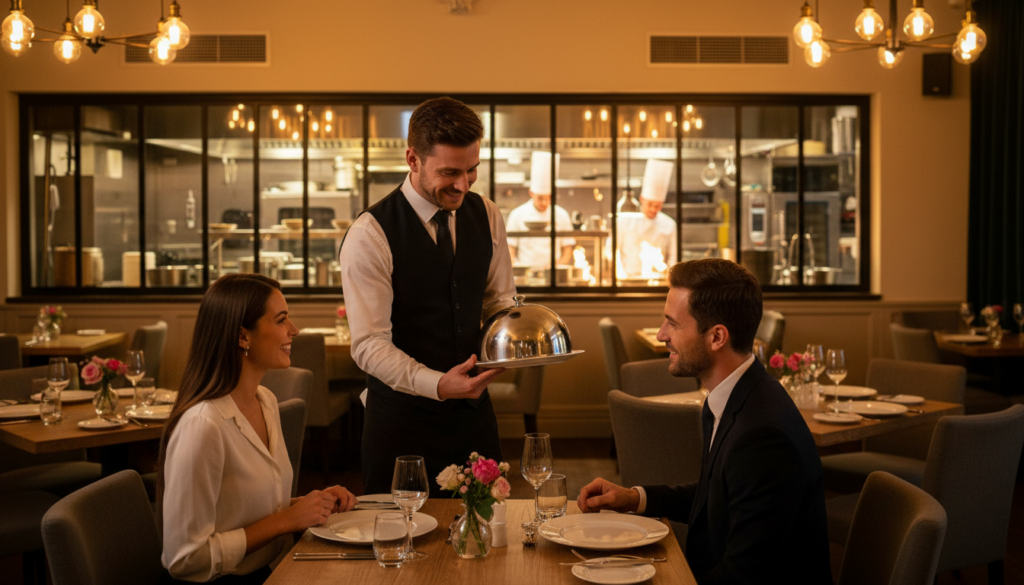
Anticipatory service is about reading the room and understanding the rhythm of a table. For instance, the team at Ever in Chicago is specifically instructed to avoid interrupting guests while they are eating. By waiting for a natural pause in conversation or a break in the meal, staff ensure that the guest never feels pressured or rushed.
Training your team to observe these subtle cues is essential for maintaining a high standard. When servers learn to time their approach perfectly, they create a seamless environment where the guest feels completely at ease. This level of awareness is a hallmark of exceptional customer service.
Handling Guest Requests with Grace
Every guest brings unique preferences and expectations to the table. Handling these requests with grace is what defines a truly professional establishment. Whether a guest asks for a specific seating change or a modification to a dish, the response should always be one of genuine willingness to assist.
Empower your staff to solve problems on the spot without needing constant manager approval. When a team member handles a request with confidence and a smile, it reinforces the guest’s trust in your brand. This flexibility is vital for maintaining a premium atmosphere.
The Role of Body Language and Professionalism
Non-verbal communication often speaks louder than words in a fine dining setting. A server’s posture, eye contact, and movement through the dining room contribute significantly to the overall mood. Staff should move with purpose but maintain a calm, composed demeanor that puts guests at ease.
Professionalism is also reflected in how staff members carry themselves during busy shifts. By maintaining an open and welcoming posture, your team signals that they are ready to serve without being intrusive. Consistent, polished body language ensures that every guest feels valued and respected throughout their visit.
Leveraging Personalized Guest Preferences
Modern restaurants are finding that the secret to loyalty lies in the details of personalized guest preferences. By focusing on the individual, you can transform a standard meal into a deeply meaningful and elevated dining experience. This proactive approach ensures that every guest feels truly seen and valued from the moment they book their table.
Implementing a Robust Guest Database
A reliable database serves as the foundation for exceptional customer service. It allows your team to store vital information that helps manage guest expectations before they even arrive. For instance, the Liholiho Yacht Club provides a dedicated website page to address walk-in anxiety, which helps set the right tone for the visit.
When you maintain a clean and organized system, your staff can access historical data with ease. This preparation prevents confusion and ensures that your front-of-house team is always ready to provide a seamless welcome. Consistency is the hallmark of a top-tier establishment.
Tracking Dietary Restrictions and Special Occasions
Recognizing a guest’s specific needs is a powerful way to build long-term loyalty. By tracking dietary restrictions and upcoming celebrations, you demonstrate that you care about their comfort and joy. Personalized guest preferences should always include notes on allergies or milestone events like anniversaries.
When a server acknowledges a guest’s birthday or dietary requirement without being prompted, it creates a sense of genuine care. This level of attention is what separates a good restaurant from a truly memorable one. It turns a simple transaction into a relationship built on trust.
Creating Tailored Recommendations
Once you have gathered enough data, you can offer suggestions that feel custom-made for each visitor. Using past order history allows your staff to provide exceptional customer service by suggesting wine pairings or dishes that align with the guest’s known tastes. This creates an elevated dining experience that feels both intuitive and sophisticated.
Tailored recommendations show that you are paying attention to the guest’s journey. When you suggest a favorite appetizer or a specific table preference, you make the guest feel like a regular, even on their second visit. Data-driven hospitality is the ultimate tool for creating lasting impressions.
Curating a Memorable Culinary Journey
Transforming a standard meal into a memorable culinary journey involves careful attention to the rhythm of the evening. Much like a well-rehearsed performance, the sequence of events should feel natural and effortless for the guest. By encouraging movement through different spaces, such as the terraces at Saga, you add a dynamic layer that keeps the experience fresh and exciting.
Pacing the Meal for Optimal Enjoyment
The secret to a successful evening lies in the delicate balance of timing. You want to ensure that guests remain engaged without ever feeling rushed or neglected by the service staff. Thoughtful pacing allows diners to savor their gourmet menu options while building anticipation for the next arrival.
Pairing Beverages to Complement the Menu
Expert beverage pairings serve as the bridge between individual flavors on the plate. A well-chosen wine or craft cocktail can highlight subtle notes in a dish that might otherwise go unnoticed. When the drink selection aligns perfectly with the food, it elevates the entire memorable culinary journey to a new level of sophistication.
Managing the Flow Between Courses
Seamless transitions are essential for maintaining the momentum of a high-end dining experience. Staff should monitor the table closely to clear plates and reset settings without interrupting the flow of conversation. Providing a variety of gourmet menu options requires a team that understands exactly when to step in and when to provide space.
| Pacing Style | Guest Experience | Service Focus |
|---|---|---|
| Relaxed | High comfort | Low intervention |
| Dynamic | High engagement | Active movement |
| Structured | Predictable | Precision timing |
Ultimately, the goal is to create a sense of discovery throughout the night. By managing the tempo and the environment, you ensure that every guest leaves with a lasting impression of excellence.
Developing Exclusive Dining Packages and Events
Crafting a truly memorable culinary journey requires thinking outside the box with limited-time offerings that excite your guests. By implementing exclusive dining packages, you can transform your restaurant into a destination for special occasions rather than just a place to eat. Much like the innovative approach taken by the ROY design studio, you might consider hybrid models, such as operating a juice bar by day and a sophisticated cocktail lounge by night, to maximize your square footage.
Designing Chef Table Experiences
A chef’s table experience offers an intimate connection between the kitchen and the guest. By placing diners in the heart of the action, you provide a front-row seat to the culinary process. This setup allows your team to explain the inspiration behind each dish, turning a standard meal into an educational and highly personal event.
Creating Seasonal Tasting Menus
Seasonal tasting menus are the perfect vehicle for showcasing the freshest ingredients available in your region. These menus create a sense of urgency and exclusivity, as guests know these dishes will only be available for a limited time. By rotating these offerings, you keep your regulars curious and eager to return for the next iteration of your kitchen’s creativity.
Marketing Exclusive Access to Loyal Patrons
Your most dedicated customers deserve to be the first to know about your upcoming events. Use your guest database to send personalized invitations for these exclusive dining packages before they are released to the general public. Providing this VIP treatment not only boosts your booking rates but also strengthens the emotional bond your patrons feel toward your brand, ensuring they continue to return for every new memorable culinary journey you curate.
Monitoring Feedback to Maintain Top-Rated Restaurant Reviews
Managing guest feedback is the secret ingredient to maintaining a stellar reputation in the culinary world. When you actively listen to your patrons, you gain invaluable insights that help refine your service and menu offerings. This proactive approach ensures that your establishment remains a favorite destination for food lovers.
Responding to Online Reviews Professionally
Every digital review acts as a public conversation between your brand and your guests. Responding with professionalism and empathy shows that you truly value every opinion shared. Whether the feedback is glowing or constructive, a thoughtful reply reinforces your commitment to excellence.
When you address comments promptly, you demonstrate that your team is attentive and engaged. This practice helps build trust with potential diners who are researching their next meal. Remember, your response is often seen by hundreds of future guests, making it a key part of your marketing strategy.
Using Internal Surveys to Gauge Satisfaction
Beyond public platforms, internal surveys provide a private space for guests to share their honest thoughts. Sanctuary Social successfully uses this method to track personalized guest preferences and refine their community-focused events. By asking the right questions, you can identify exactly what makes your patrons return time and again.
“The most important thing in communication is hearing what isn’t said.”
These surveys allow you to gather data on everything from the quality of your exclusive dining packages to the comfort of your seating. Consistent data collection helps you stay ahead of trends and maintain high standards. It turns raw information into a clear path for operational growth.
Turning Negative Feedback into Improvement Opportunities
Negative feedback should never be viewed as a failure, but rather as a golden opportunity for growth. When a guest expresses dissatisfaction, it highlights a specific area where your team can improve. Addressing these concerns quickly can often turn a disappointed visitor into a loyal advocate for your brand.
Use the following table to understand how different feedback channels contribute to your success:
| Feedback Channel | Primary Benefit | Action Required |
|---|---|---|
| Online Reviews | Public Reputation | Timely, polite replies |
| Internal Surveys | Operational Insight | Data analysis and changes |
| Direct Comments | Immediate Resolution | Empowered staff response |
| Social Media | Community Engagement | Active, friendly dialogue |
By systematically analyzing this data, you ensure that your restaurant continues to evolve. Staying responsive to your guests is the most effective way to secure your place as a top-rated destination in the competitive dining industry.
Conclusion
Building a reputation for excellence requires a commitment to constant growth. Every interaction serves as a chance to refine your craft and deepen your connection with patrons.
Creating an unforgettable dining experience for guests relies on your ability to listen and adapt. When you prioritize genuine hospitality, you turn casual visitors into loyal brand advocates.
Actively seeking feedback after each service provides the insights needed to evolve. This practice helps you maintain top-rated restaurant reviews while keeping your team focused on quality.
Successful establishments like The French Laundry or Eleven Madison Park prove that small details matter. Your dedication to these nuances ensures that every visitor feels valued from the moment they arrive.
Take these strategies and apply them to your daily operations. Your path to long-term success starts with the next plate you serve and the next guest you welcome through your doors.