
Introduction to Grilling High-Grade Wagyu Beef
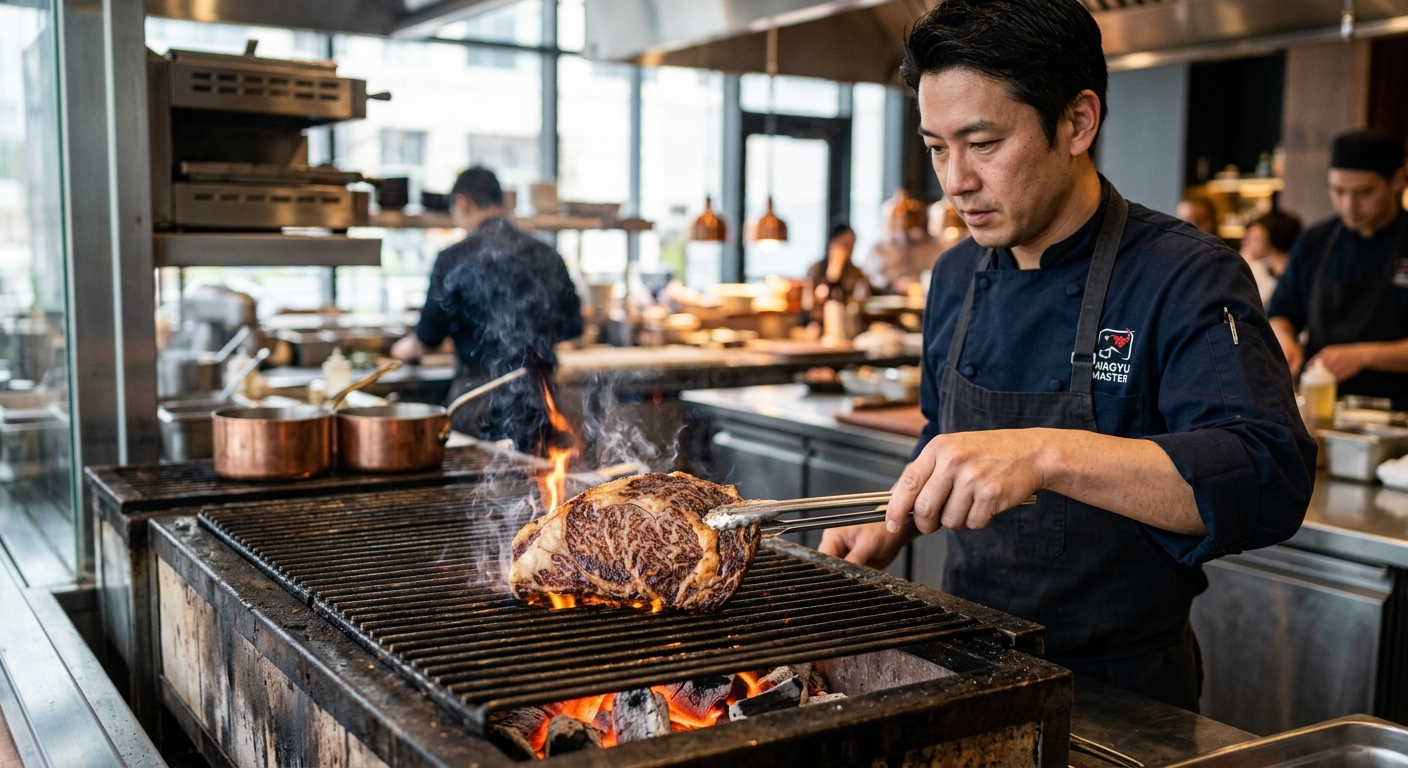
Grilling high-grade Wagyu beef is a culinary art that requires precision, respect for the ingredient, and a solid understanding of heat management. Unlike standard cuts of beef, Wagyu is renowned for its intense marbling, high fat content, and unparalleled tenderness. This unique composition means that traditional grilling methods must be adjusted to prevent flare-ups and ensure the fat renders perfectly without overcooking the meat. Whether you are hosting a sophisticated dinner party or simply treating yourself to a luxurious meal, mastering the technique of grilling Wagyu will elevate your culinary repertoire.
In this comprehensive guide, we will explore the essential steps to prepare, grill, and serve high-grade Wagyu beef. We will also touch upon some related culinary experiences, such as The Best Steak and Lobster Hibachi Recipe: A Professional Guide to Teppanyaki at Home, which pairs beautifully with premium beef cuts.
Understanding Wagyu Beef
Before placing your expensive cut of meat on the grill, it is crucial to understand what makes Wagyu so special. “Wagyu” translates simply to “Japanese cow,” but the term represents specific breeds known for their genetic predisposition to intense marbling. The intramuscular fat in Wagyu has a lower melting point than that of typical beef, meaning it melts at body temperature, creating a buttery, melt-in-your-mouth texture.
High-grade Wagyu, particularly A4 or A5 Japanese Wagyu, contains so much fat that cooking it requires a delicate touch. The goal is to sear the exterior quickly to create a savory crust while allowing the internal fat to warm and render just enough to flavor the meat without losing its structural integrity.
Preparation: Setting the Stage for Success
Thawing and Resting
Never cook Wagyu beef straight from the refrigerator, and certainly never from frozen. If your beef is frozen, thaw it slowly in the refrigerator for 24 to 48 hours. Once thawed, remove the meat from the fridge about 30 to 60 minutes before grilling. Allowing the beef to come to room temperature ensures even cooking. Because of the low melting point of Wagyu fat, you may notice the meat becoming soft and slightly glistening as it sits at room temperature; this is perfectly normal.
Seasoning
When it comes to high-grade Wagyu, less is more. The flavor of the beef itself is rich, nutty, and profound. Over-seasoning will mask these delicate flavors. A generous sprinkling of high-quality coarse sea salt (such as Maldon or flaked sea salt) is all you need before grilling. Apply the salt just moments before the beef hits the heat to prevent it from drawing out moisture prematurely. You may add freshly ground black pepper after cooking, as pepper can burn and turn bitter over high heat.
Choosing the Right Equipment
The equipment you use will significantly impact the final result. While a traditional charcoal grill imparts a wonderful smoky flavor, the high fat content of Wagyu makes flare-ups a serious risk on open grates. For this reason, many professionals prefer using a cast-iron skillet, a plancha, or a flat-top grill (teppanyaki style) placed over the heat source.
Using a flat surface allows the beef to cook in its own rendered fat, creating an exceptional crust. If you are interested in exploring flat-top grilling further, you might enjoy reading about The Best Teppanyaki Restaurants in Los Angeles to see how professionals handle premium ingredients on a teppan. Alternatively, for a unique home experience, consider Elevating Your Next Event: Backyard Hibachi Chef Parties in the San Fernando Valley.
Here is a comparison of different cooking surfaces for Wagyu beef:
| Cooking Surface | Heat Distribution | Crust Formation | Flare-up Risk |
|---|---|---|---|
| Cast-Iron Skillet | Excellent | Superior | Low |
| Open Charcoal Grates | Variable | Good | High |
| Stainless Steel Plancha | Very Good | Excellent | Low |
| Gas Grill Grates | Good | Moderate | Medium |
The Grilling Process
Temperature Control
You need high heat to sear Wagyu quickly. If using a cast-iron skillet or plancha, preheat it until it is smoking hot. If you must use open grates, ensure you have a two-zone fire setup: one side with intense direct heat and the other side with indirect heat to move the meat if flare-ups occur.
Cooking Time
Because Wagyu is so rich, it is traditionally cut thinner than a standard Western steak—often around 3/4 to 1 inch thick. At this thickness, it requires very little time on the grill.
- Sear: Place the seasoned beef on the hot surface. Do not add oil; the fat from the beef will render immediately and provide all the lubrication needed.
- Timing: Cook for approximately 1 to 2 minutes on the first side until a deep brown crust forms.
- Flip: Flip the steak and cook for another 1 to 2 minutes.
- Target Doneness: High-grade Wagyu is best served rare to medium-rare. Cooking it past medium will melt away all the precious fat, leaving the meat dry and diminishing its value.
If you are cooking a thicker cut (1.5 inches or more), use the reverse sear method. Slowly bring the internal temperature up to 110°F using indirect heat, then finish with a blazing fast sear on both sides. For the best equipment and catering options for your grilling needs, you can visit Fujioka Teppanyaki.
Resting and Serving
Resting the meat is a critical step that should never be skipped. Remove the Wagyu from the heat when it is about 5 degrees below your target temperature, as carryover cooking will bring it up to perfect doneness. Let the meat rest on a warm plate for 5 to 10 minutes. This allows the muscle fibers to relax and the rendered fat and juices to redistribute evenly throughout the cut.
When slicing, always cut against the grain in small, bite-sized strips. Wagyu is incredibly rich, and a standard 8-ounce portion may be too heavy for one person. It is often best served tapas-style, shared among guests, accompanied by light, acidic sides to cut through the richness. Fresh wasabi, soy sauce, or a simple yuzu kosho make excellent accompaniments.
Conclusion
Grilling high-grade Wagyu beef is a rewarding experience that requires attention to detail and respect for the ingredient. By ensuring the meat is properly thawed, using the right cooking surface to manage the high fat content, and adhering to brief cooking times over high heat, you can achieve a perfect sear and a melt-in-your-mouth texture. Remember to keep seasonings simple and allow the meat to rest before serving. With these professional techniques, you will be well-equipped to serve an unforgettable Wagyu masterpiece.
Frequently Asked Questions (FAQ)
Can I grill Wagyu beef on a regular gas grill?
Yes, but you must be extremely careful of flare-ups due to the high fat content. It is highly recommended to place a cast-iron skillet or a plancha on the grill grates rather than cooking the meat directly over the open flames.
What is the best doneness for high-grade Wagyu?
High-grade Wagyu is best enjoyed rare to medium-rare. Cooking it beyond medium causes the delicate intramuscular fat to render out completely, which compromises the texture and flavor of the beef.
Should I marinate Wagyu beef before grilling?
No. High-grade Wagyu possesses a distinct, rich flavor that should not be masked by marinades. A simple seasoning of high-quality coarse sea salt just before cooking is all that is required to enhance its natural taste.
Why is resting the beef so important?
Resting allows the juices and melted fat to redistribute evenly throughout the meat. If you slice into the beef immediately after cooking, those flavorful juices will run out onto the cutting board, resulting in a drier piece of meat.
One response to “How to Grill High-Grade Wagyu Beef: A Professional Guide”
[…] to quality. If you are passionate about premium meats, you might also be interested in learning How to Grill High-Grade Wagyu Beef: A Professional Guide to replicate the steakhouse experience at […]