Introduction to Teppanyaki Cooking
Teppanyaki, derived from the words teppan (iron plate) and yaki (grilled, broiled, or pan-fried), is a popular style of Japanese cuisine that has captured the hearts and palates of food enthusiasts worldwide. Originating in Japan after World War II, this culinary art form combines precision cooking with theatrical presentation. For beginners looking to replicate this experience at home, mastering teppanyaki requires an understanding of the right equipment, ingredient preparation, and fundamental grilling techniques. This professional guide will provide you with the essential Japanese teppanyaki cooking tips needed to elevate your home dining experience.
Essential Equipment for Teppanyaki
Before you begin your teppanyaki journey, you must invest in the appropriate equipment. The centerpiece is, of course, the griddle. While professional chefs use large, built-in iron plates, home cooks can achieve excellent results with a high-quality electric teppanyaki grill or a cast-iron griddle that spans across two stovetop burners. Ensuring your cooking surface retains heat evenly is crucial for achieving the perfect sear.
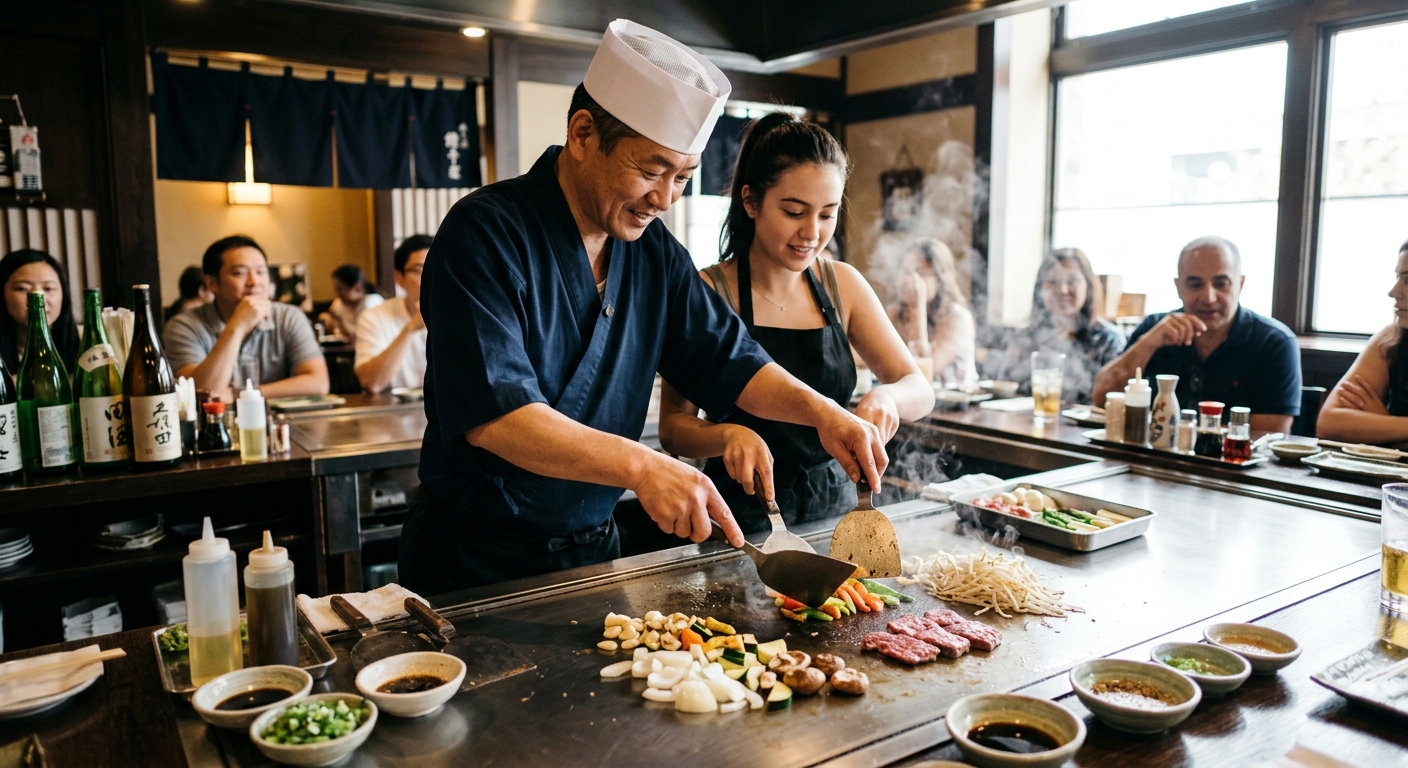
In addition to the grill, you will need a few specialized tools. A pair of heavy-duty spatulas is essential for flipping, cutting, and tossing ingredients directly on the grill. A scraper helps keep the surface clean between courses, preventing flavors from mixing undesirably. Finally, a cloche or basting dome is necessary for steaming vegetables and melting cheese. If you are looking to hire a professional for inspiration or an event, consider services like Private Party Teppanyaki Chef Malibu: Elevate Your Next Event.
Selecting and Preparing Ingredients
The success of teppanyaki relies heavily on the quality and preparation of the ingredients. Since the cooking process is fast and utilizes high heat, ingredients must be prepped in advance—a practice known as mise en place. Bite-sized pieces ensure even and rapid cooking, allowing you to manage multiple ingredients on the grill simultaneously.
Proteins
When selecting proteins, choose high-quality cuts of meat and fresh seafood. Beef, particularly Wagyu or thinly sliced ribeye, is a teppanyaki staple. If you are interested in working with premium cuts, reading How to Grill Wagyu Steak Teppanyaki Style: The Ultimate Guide can provide valuable insights. Chicken, shrimp, and scallops are also popular choices. Ensure that all proteins are patted dry before grilling to promote a proper sear rather than steaming.
Vegetables and Starches
Classic teppanyaki vegetables include zucchini, onions, mushrooms, carrots, and bean sprouts. Cut these into uniform shapes and sizes. For starches, day-old cooked rice is ideal for making fried rice, as it is less sticky and fries up beautifully on the hot plate. Yakisoba noodles are another excellent addition to any teppanyaki meal.
Mastering Temperature Control
One of the most critical aspects of teppanyaki cooking is temperature management. A teppanyaki grill typically has varying heat zones. The center is usually the hottest, ideal for searing meats, while the outer edges are cooler, perfect for keeping cooked food warm or gently cooking delicate vegetables. Understanding these zones allows you to orchestrate a multi-course meal seamlessly.
For those interested in exploring different grilling styles, learning How to Cook Wagyu on a Hibachi Grill: A Comprehensive Professional Guide can broaden your culinary repertoire, even though hibachi utilizes open grates over charcoal rather than a solid iron plate.
Fundamental Teppanyaki Techniques
Searing and Flipping
Achieving a golden, caramelized crust on your proteins requires high heat and patience. Place your meat or seafood on the hottest part of the grill and let it sear without moving it for a few minutes. Use your dual spatulas to confidently slide under the food and flip it once. Avoid pressing down on the meat, as this releases flavorful juices.
Steaming on the Grill
Teppanyaki isn’t just about frying; steaming is a vital technique for cooking vegetables efficiently. Place your vegetables on the grill, add a splash of water, broth, or sake, and immediately cover them with a basting dome. This traps the steam, cooking the vegetables quickly while retaining their vibrant color and crunch.
Seasoning and Sauces
Simplicity is key in teppanyaki seasoning. Coarse sea salt, freshly ground black pepper, and a touch of garlic butter are often all you need. However, dipping sauces (tare) are an integral part of the experience. Common sauces include a ginger sauce for seafood and vegetables, and a mustard sauce for meats. Keep your sauces prepared in small bowls for dipping at the table. For more professional tips and equipment, you can visit our professional website to explore further.
To better understand the common dipping sauces used in teppanyaki, refer to the comparison table below.
| Sauce Type | Primary Ingredients | Best Paired With | Flavor Profile |
|---|---|---|---|
| Ginger Sauce | Soy sauce, fresh ginger, onion, vinegar | Seafood, Vegetables | Tangy, bright, zesty |
| Mustard Sauce | Dry mustard, soy sauce, sesame, garlic | Beef, Chicken | Creamy, savory, slightly sharp |
| Yum Yum Sauce | Mayonnaise, tomato paste, garlic powder | Fried Rice, Shrimp | Sweet, creamy, rich |
Maintaining Your Teppanyaki Grill
Proper maintenance of your grill is essential for both hygiene and longevity. After cooking, while the grill is still warm, use your scraper to remove food debris. Pour a small amount of water or club soda onto the surface to lift stubborn spots, then wipe it down with a thick cloth or paper towels held by tongs. Finally, apply a thin layer of vegetable oil to season the plate and prevent rusting before storing.
Conclusion
Teppanyaki cooking at home is an engaging and rewarding culinary endeavor that brings the excitement of a Japanese steakhouse right to your dining room. By investing in the right equipment, preparing your ingredients meticulously, and mastering heat control and fundamental techniques, beginners can quickly become proficient at this dynamic cooking style. Remember that practice is key, and the joy of teppanyaki lies as much in the process as it does in the delicious results.
Frequently Asked Questions (FAQ)
What kind of oil should I use for teppanyaki?
It is best to use an oil with a high smoke point, such as vegetable, canola, soybean, or safflower oil. Avoid olive oil or butter for the initial cooking, as they will burn at the high temperatures used in teppanyaki. Butter can be added at the very end for flavor.
Can I use a regular frying pan instead of a teppanyaki grill?
While a large cast-iron skillet or a wide frying pan can mimic the high-heat searing of teppanyaki, they lack the expansive surface area needed to cook multiple ingredients simultaneously and manage different heat zones. An electric griddle or stovetop cast-iron griddle is a much better alternative.
How do I make teppanyaki fried rice not stick to the grill?
The key to perfect teppanyaki fried rice is using day-old, chilled cooked rice. The rice grains dry out slightly in the refrigerator, which prevents them from clumping together and sticking to the grill when fried with oil at high heat.