Introduction to Hosting a Luxury Dinner Party at Home
Hosting a luxury dinner party at home is an art form that combines exquisite culinary curation, impeccable ambiance, and flawless execution. Unlike a casual gathering, a luxury dining experience requires meticulous planning and an unwavering attention to detail. From the moment the invitations are sent to the final digestif served, every element must reflect sophistication and elegance. Whether you are celebrating a milestone or simply gathering esteemed colleagues and friends, transforming your personal space into a five-star dining venue offers a level of intimacy and exclusivity that traditional restaurants cannot match.
This comprehensive guide will walk you through the essential steps of orchestrating a high-end dinner party. We will explore everything from conceptualizing an elegant theme and designing a bespoke menu to setting a breathtaking table and integrating unique, interactive culinary experiences. By following these professional insights, you will ensure your guests leave with lasting memories of a truly spectacular evening.
Setting the Foundation: Planning and Invitations
The success of any luxury event lies in the preparation. Begin by carefully curating your guest list. For an intimate, high-end dinner party, seating between six and twelve guests is ideal. This number allows for meaningful conversation and ensures that every guest receives personalized attention. Once the guest list is finalized, consider the tone you wish to set.
Your invitations should be the first indicator of the evening’s exclusivity. Opt for heavy-stock, letterpress invitations sent via mail, or utilize premium digital invitation services that offer bespoke design options. Clearly outline the dress code, timing, and any specific themes. Furthermore, proactively request information regarding dietary restrictions and allergies, demonstrating your commitment to accommodating each guest’s individual needs with grace.
Designing an Unforgettable Menu
The menu is the centerpiece of your dinner party. When aiming for luxury, a multi-course tasting menu paired with fine wines or signature cocktails is the standard. Start with light, palate-awakening hors d’oeuvres, progress to an elegant appetizer, a rich and complex main course, and conclude with a visually stunning dessert. When sourcing ingredients, prioritize seasonal, local, and premium products. If you are looking for menu inspiration, you might draw from LA Hidden Culinary Gems Worth Visiting to recreate exclusive restaurant flavors right in your own kitchen.
Wine pairings elevate the dining experience exponentially. Consult with a sommelier or a knowledgeable wine merchant to select vintages that complement the flavor profiles of each course. Alternatively, hiring a professional mixologist to craft custom cocktails tailored to the evening’s theme adds a layer of personalized luxury that guests highly appreciate.
Ambiance and Table Setting
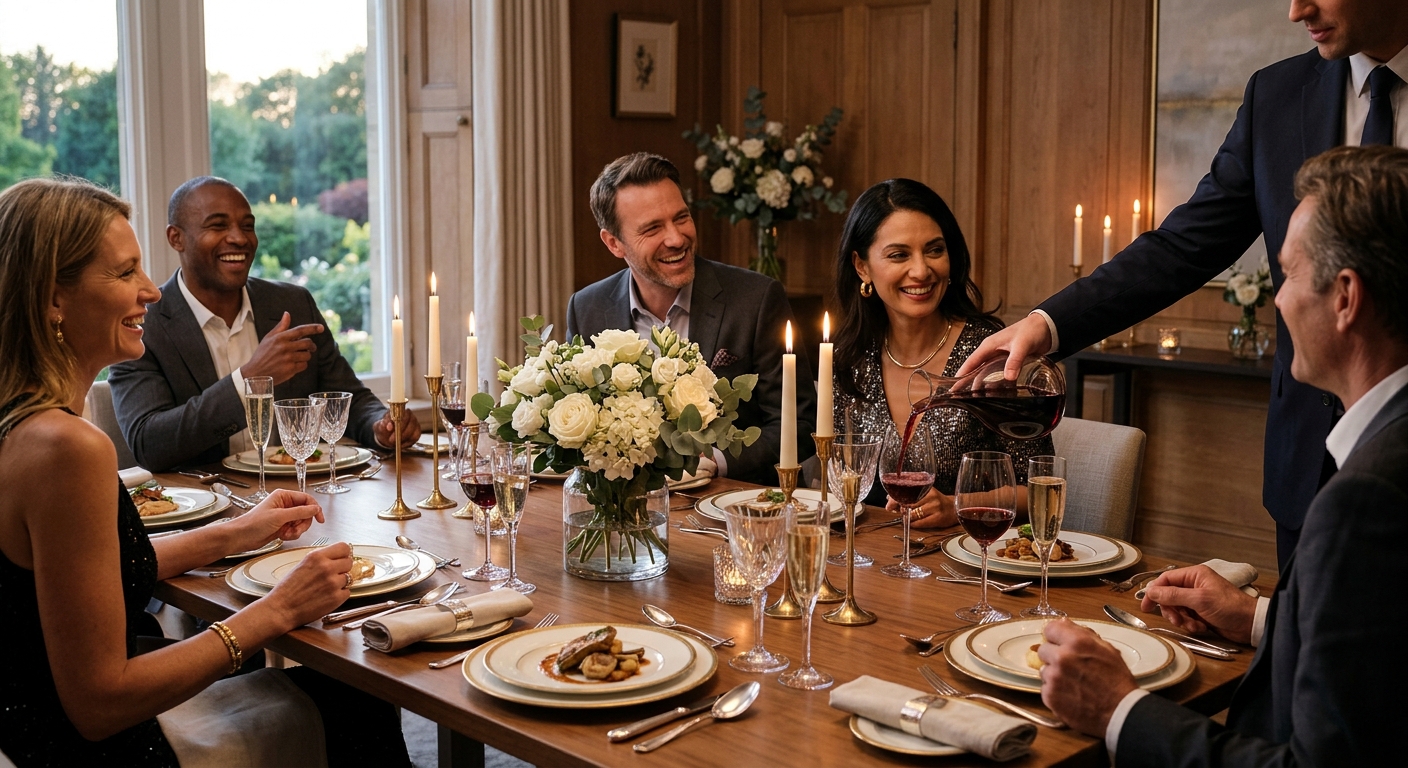
Creating the right atmosphere is just as critical as the food itself. The ambiance should appeal to all the senses. Begin with lighting; harsh overhead lights should be dimmed in favor of soft, warm illumination. Strategically placed candles, elegant chandeliers, and subtle accent lighting can transform a standard dining room into an opulent sanctuary. Complement the visual aesthetic with a carefully curated playlist of soft jazz, classical music, or instrumental covers playing at a volume that encourages, rather than drowns out, conversation.
Your table setting should be a masterpiece of design. Invest in high-quality linens, such as crisp Egyptian cotton or heavy linen tablecloths and napkins. Utilize your finest china, crystal glassware, and polished silver or gold-plated flatware. Centerpieces should be low enough to allow guests to see each other across the table. Floral arrangements featuring orchids, peonies, or classic roses add a touch of natural beauty and refinement.
Elevating the Experience: Private Chefs and Interactive Dining
While preparing the meal yourself is commendable, hosting a truly luxurious dinner party often involves outsourcing the culinary duties so you can focus entirely on your guests. Hiring a private chef or a specialized catering team ensures a flawless dining experience. But beyond traditional plated service, the trend in luxury home entertaining is leaning heavily toward interactive, experiential dining.
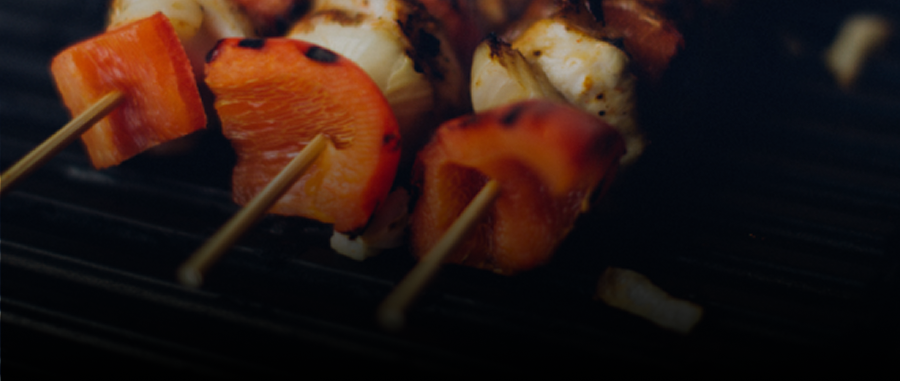
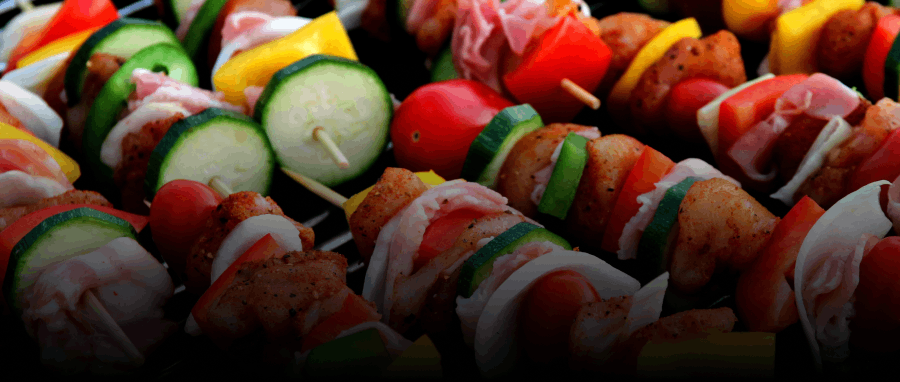
For instance, bringing a high-end teppanyaki or hibachi experience to your backyard or large dining area combines world-class cuisine with private entertainment. Guests who have frequented The Best Teppanyaki Restaurants in Los Angeles will appreciate the high-end, interactive dining experience in the privacy of your home. To elevate your backyard or dining room, consider reading about On Site Hibachi Catering with Bartenders in LA: The Ultimate Event Experience. For a seamless integration of entertainment and fine dining, you can also hire premium teppanyaki catering services to bring the chef directly to your guests, complete with fiery displays and top-tier ingredients like Wagyu beef and lobster.
To help you decide which style of catering fits your vision, review the comparison below detailing the differences between traditional fine dining and interactive teppanyaki catering.
| Catering Style | Interaction Level | Space Requirement | Menu Focus |
|---|---|---|---|
| Traditional Plated Service | Low (Behind the scenes) | Standard kitchen setup | Complex, multi-course French or New American |
| Interactive Teppanyaki | High (Chef performs for guests) | Outdoor patio or large ventilated area | Premium meats, seafood, and grilled vegetables |
Flawless Execution and Pacing
On the day of the event, preparation is your greatest asset. Create a detailed timeline outlining when the table will be set, when the drinks will be chilled, and the exact moment each course will be served. When guests arrive, greet them personally with a welcome cocktail or a glass of champagne. This immediate hospitality sets a warm and inviting tone for the rest of the evening.
Pacing the dinner is crucial. Courses should not be rushed, nor should guests be left waiting for extended periods. Allow approximately 20 to 30 minutes between major courses to facilitate conversation and digestion. As the host, your demeanor will dictate the mood of the room; remain relaxed, attentive, and engaged.
Conclusion
Hosting a luxury dinner party at home is a magnificent way to celebrate life’s special moments while showcasing your personal style and hospitality. By meticulously planning the guest list, curating a sophisticated menu, setting an elegant table, and considering high-end catering options, you can create an unforgettable evening. Remember that true luxury lies in the details—from the personalized invitations to the seamless flow of the evening. With careful preparation and a focus on experiential dining, your home can rival the finest restaurants, offering your guests a night of unparalleled elegance and joy.
Frequently Asked Questions
How far in advance should I send invitations for a luxury dinner party?
For a high-end, formal dinner party, invitations should be sent out three to four weeks in advance. This provides guests with ample time to RSVP, arrange their schedules, and inform you of any dietary restrictions.
Is it necessary to hire a professional server or bartender?
While not strictly necessary if you have a small group and a highly organized plan, hiring a professional server and bartender significantly elevates the experience. It allows you, the host, to remain present with your guests rather than constantly managing drinks and clearing plates.
How do I handle guests with severe dietary restrictions at a luxury dinner?
Request dietary information on the invitation. Once known, work with your chef to create a bespoke alternative dish that matches the luxury and presentation of the main menu. A guest with a restriction should feel equally pampered, not like an afterthought.
What is a good timeline for a multi-course dinner party?
A standard timeline includes 45 to 60 minutes for cocktails and hors d’oeuvres upon arrival. The seated dinner should take roughly 1.5 to 2 hours, depending on the number of courses, followed by 45 minutes for dessert, coffee, and digestifs in a separate seating area if possible.