Introduction to Teppanyaki Style Grilled Lobster Tail
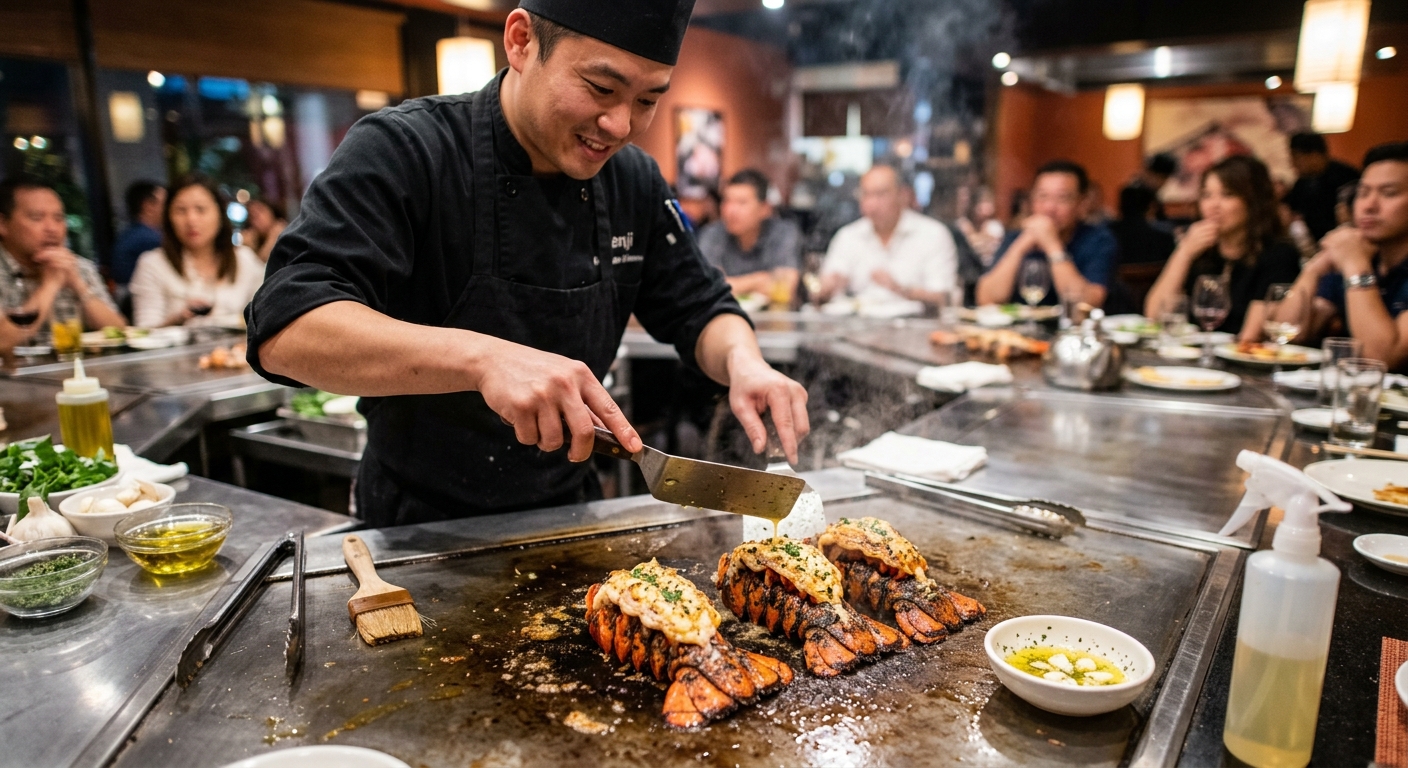
Teppanyaki, the Japanese style of cooking on an iron griddle, is celebrated for its ability to sear ingredients rapidly while locking in moisture and flavor. When it comes to seafood, particularly luxurious items like lobster tails, the teppanyaki method offers an unparalleled culinary experience. The high, even heat of the griddle allows the lobster meat to caramelize beautifully on the outside while remaining succulent and tender on the inside. This article delves into the nuances of preparing the best grilled lobster tail teppanyaki style, ensuring your next meal is both impressive and delicious.
Selecting the Best Lobster Tails
The foundation of any exceptional seafood dish is the quality of the primary ingredient. For teppanyaki grilling, cold-water lobster tails, such as those from Maine or South Africa, are generally preferred over warm-water varieties. Cold-water lobsters tend to have firmer, whiter meat that holds up well to the intense heat of the teppanyaki grill. When purchasing, look for tails that are firm to the touch and have a clean, oceanic aroma. Avoid tails with discoloration or a strong fishy odor, as these are signs of age.
Preparation: Butterflying the Lobster Tails
Proper preparation is crucial for teppanyaki grilling. Butterflying the lobster tails not only enhances the presentation but also ensures even cooking and allows marinades and garlic butter to penetrate the meat deeply.
- Step 1: Using sharp kitchen shears, cut down the center of the hard top shell, stopping just before the tail fin.
- Step 2: Gently pry the shell open with your thumbs.
- Step 3: Carefully lift the lobster meat up through the slit, resting it on top of the shell.
- Step 4: Make a shallow slit down the center of the meat to remove the digestive tract, if visible.
The Teppanyaki Cooking Process
Cooking on a teppanyaki grill requires attention to temperature and timing. Before you begin with the lobster, you might want to consider pairing it with other classic dishes. For instance, you could review a Japanese Steakhouse Style Hibachi Chicken Recipe to create a spectacular surf and turf experience.
Preheat your teppanyaki grill or a heavy cast-iron griddle to medium-high heat. You want the surface hot enough to sear the meat quickly without burning the butter or oil. Add a small amount of clarified butter or high-smoke-point oil (such as avocado or grapeseed oil) to the grill. Place the butterflied lobster tails meat-side down on the griddle to achieve a golden-brown sear. This usually takes about 3 to 4 minutes. Flip the tails so the shell side is down, and continue cooking for another 3 to 5 minutes, basting frequently with a mixture of melted butter, minced garlic, a splash of soy sauce, and a squeeze of fresh lemon juice.
If you are planning a larger gathering, you might find inspiration from DIY Hibachi Backyard Dinner Party Ideas: Host a Spectacular Event. Hosting a teppanyaki night at home can be incredibly rewarding, though it does require some planning and equipment.
Elevating the Experience
To truly capture the essence of a high-end teppanyaki restaurant, consider the accompanying dishes and the overall ambiance. Sometimes, the best way to enjoy this style of dining is to hire professionals. For example, engaging a Private Party Sushi Chef San Fernando Valley: Elevate Your Next Event can provide appetizers that complement your grilled lobster perfectly. Furthermore, if you decide to outsource the main event, understanding Why You Need a Licensed and Insured Mobile Hibachi Caterer for Your Event is vital for peace of mind and ensuring a flawless dining experience.
Below is a comparison of common cooking fats used in teppanyaki cooking and how they affect the lobster tail.
| Cooking Fat | Smoke Point | Flavor Profile | Best Used For |
|---|---|---|---|
| Clarified Butter | 450°F (232°C) | Rich, nutty, classic | Searing and basting lobster |
| Avocado Oil | 520°F (271°C) | Neutral, light | Initial high-heat searing |
| Sesame Oil (Toasted) | 350°F (177°C) | Nutty, bold, Asian-inspired | Finishing drizzle (not searing) |
Conclusion
Mastering the best grilled lobster tail teppanyaki style is an endeavor that rewards you with a dish of profound elegance and flavor. By selecting high-quality cold-water lobster tails, mastering the butterflying technique, and managing the intense, even heat of the teppanyaki grill, you can recreate the magic of a Japanese steakhouse in your own home. Whether you are cooking for a quiet dinner or hosting a grand backyard event, teppanyaki lobster is guaranteed to leave a lasting impression.
Frequently Asked Questions
What is the difference between teppanyaki and hibachi?
While often used interchangeably in the West, teppanyaki refers to cooking on a flat, solid iron griddle, whereas traditional hibachi utilizes an open grate over charcoal. The flat surface of teppanyaki is ideal for cooking smaller, delicate items and retaining juices.
How do I know when the lobster tail is fully cooked?
Lobster meat turns from translucent to opaque white when fully cooked. The internal temperature should reach 140°F (60°C). Be careful not to overcook, as the meat can become tough and rubbery.
Can I use frozen lobster tails for teppanyaki?
Yes, you can use frozen lobster tails. However, it is imperative that they are completely thawed before cooking. The best method is to thaw them slowly in the refrigerator overnight to preserve the texture of the meat.