
Introduction to Japanese Steakhouse Style Hibachi Chicken
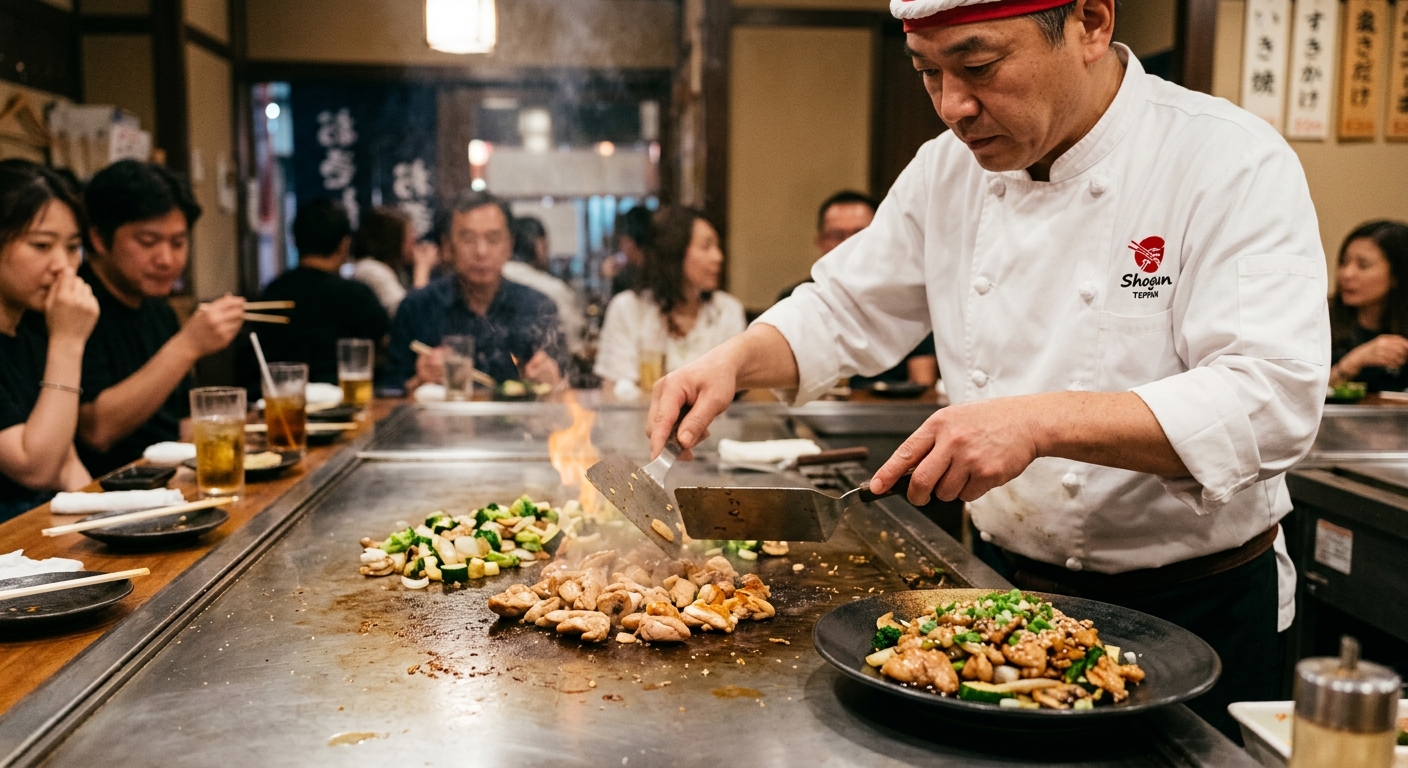
Recreating the magic of a Japanese steakhouse in your own kitchen is a rewarding culinary endeavor. The sizzling sounds, the savory aromas, and the tender, flavorful chicken cooked on a hot griddle are hallmarks of the teppanyaki experience. While you might not have the theatrical knife skills of a professional chef, achieving that authentic hibachi flavor is entirely possible with the right ingredients, equipment, and techniques.
This comprehensive guide will walk you through a professional-grade Japanese steakhouse style hibachi chicken recipe. We will cover everything from the essential ingredients and the perfect marinade to the ideal cooking surfaces and techniques. Whether you are hosting a small family dinner or looking to impress guests, mastering this dish will elevate your home cooking repertoire.
Understanding Hibachi vs. Teppanyaki
Before diving into the recipe, it is important to clarify the terminology. In Western cultures, “hibachi” is often used to describe the dining experience where a chef cooks on a large, flat iron griddle in front of guests. However, in Japan, this style of cooking is actually called “teppanyaki” (teppan meaning iron plate, and yaki meaning grilled or pan-fried). A traditional Japanese hibachi is a small, open-grate charcoal grill used primarily for heating or cooking small items.
For the purpose of this article, we will use the term “hibachi” as it is commonly understood in the United States—referring to the delicious, soy-and-butter-infused grilled meats and vegetables popularized by Japanese steakhouses. If you are looking to expand your teppanyaki skills beyond chicken, you might also want to explore a Teppanyaki Style Grilled Shrimp Recipe: A Professional Guide to complement your meal.
Essential Ingredients for Hibachi Chicken
The secret to authentic hibachi chicken lies in the quality of the ingredients and the precise balance of flavors. Here is what you will need:
The Protein
- Chicken Breasts or Thighs: 1.5 to 2 pounds of boneless, skinless chicken. Thighs are generally preferred for their higher fat content, which keeps them juicy on the hot grill, but breasts work well if cooked carefully to avoid drying out.
The Marinade and Sauce
- Soy Sauce: 1/4 cup. Use a high-quality, naturally brewed soy sauce for depth of flavor.
- Mirin: 2 tablespoons. This sweet Japanese rice wine balances the saltiness of the soy sauce.
- Sake: 2 tablespoons. Japanese rice wine adds complexity to the marinade.
- Garlic: 3 cloves, minced.
- Ginger: 1 tablespoon, freshly grated.
- Sesame Oil: 1 teaspoon, for a nutty aroma.
- Brown Sugar: 1 tablespoon, to aid in caramelization.
The Cooking Fat
- Butter: 2 tablespoons, unsalted. This is crucial for achieving that authentic steakhouse richness.
- Vegetable Oil: 2 tablespoons. Use an oil with a high smoke point, such as canola, safflower, or avocado oil, for the initial sear.
Equipment Recommendations
To replicate the teppanyaki experience, you need a cooking surface that can retain high heat. While a traditional teppanyaki grill is ideal, home cooks have several viable alternatives.
Below is a comparison of common cooking surfaces used for making hibachi chicken at home:
| Cooking Surface | Heat Retention | Surface Area | Ideal For |
|---|---|---|---|
| Cast Iron Skillet | Excellent | Small to Medium | Cooking single portions or small batches. |
| Carbon Steel Wok | Good | Large (curved) | Tossing ingredients quickly over high heat. |
| Electric Griddle | Moderate | Large (flat) | Cooking multiple components (chicken, veggies, rice) simultaneously. |
| Outdoor Flattop (e.g., Blackstone) | Excellent | Extra Large | Authentic teppanyaki-style cooking for large groups. |
Step-by-Step Cooking Instructions
Follow these steps to prepare your Japanese steakhouse style hibachi chicken:
1. Preparation and Marination
Begin by cutting the chicken into bite-sized cubes, approximately 1-inch thick. In a large bowl, whisk together the soy sauce, mirin, sake, minced garlic, grated ginger, sesame oil, and brown sugar. Add the chicken cubes to the marinade, ensuring they are evenly coated. Cover and refrigerate for at least 30 minutes, or up to 4 hours. Do not over-marinate, as the soy sauce can make the chicken too salty and alter its texture.
2. Heating the Cooking Surface
Whether you are using a cast-iron skillet, an electric griddle, or an outdoor flattop, preheat it over medium-high heat. The surface must be very hot to achieve a proper sear. Add the vegetable oil and let it heat until it shimmers and just begins to smoke.
3. Searing the Chicken
Remove the chicken from the marinade, allowing any excess liquid to drip off. Discard the remaining marinade. Place the chicken onto the hot cooking surface in a single layer. Do not overcrowd the pan; if necessary, cook in batches. Let the chicken sear undisturbed for 2 to 3 minutes until a golden-brown crust forms on the bottom.
4. The Signature Hibachi Technique
Once the bottom is seared, use a spatula to flip the chicken pieces. At this point, add the butter to the pan. As the butter melts and foams, toss the chicken continuously to coat it evenly. The combination of high heat, soy sauce residue, and melting butter creates the signature savory glaze that defines hibachi chicken. Cook for an additional 3 to 4 minutes, or until the chicken is cooked through and reaches an internal temperature of 165°F (74°C).
Serving Suggestions
Serve your hibachi chicken immediately while it is hot and sizzling. For a complete Japanese steakhouse experience, pair it with:
- Hibachi Fried Rice: Cooked with egg, peas, carrots, soy sauce, and a touch of butter.
- Sautéed Vegetables: Zucchini, onions, and mushrooms cooked on the same griddle.
- Dipping Sauces: Provide traditional steakhouse sauces, such as a mustard sauce or a creamy “Yum Yum” sauce, on the side.
If you are planning a larger event and want to provide a true steakhouse experience without the stress of cooking, you might consider professional services. For instance, Calabasas Catering Services for Dinner Parties: Elevate Your Event can offer exceptional culinary solutions. Alternatively, for outdoor gatherings, Outdoor Teppanyaki Catering in Westlake Village: The Ultimate Event Experience provides an unforgettable live cooking show right in your backyard. You can always visit their main website for more details on booking a private chef.
Conclusion
Mastering a Japanese steakhouse style hibachi chicken recipe allows you to bring the exciting flavors and aromas of teppanyaki dining into your home. By utilizing high-quality ingredients, understanding the importance of heat control, and incorporating the signature butter and soy sauce finish, you can achieve professional-level results. Whether cooked on a humble cast-iron skillet or a large outdoor flattop, this dish is sure to impress family and friends alike.
Frequently Asked Questions
What is the best cut of chicken for hibachi?
Boneless, skinless chicken thighs are generally preferred for hibachi cooking because their higher fat content keeps them juicy and flavorful over high heat. However, chicken breasts can also be used if they are cut uniformly and not overcooked.
Can I make this recipe without sake or mirin?
While sake and mirin add authentic depth to the marinade, you can substitute dry sherry or even a mixture of white wine and a pinch of extra sugar if you do not have them on hand. The flavor profile will shift slightly, but the chicken will still be delicious.
Why is butter used in hibachi cooking?
Butter is a key ingredient in Americanized Japanese steakhouses. It is added near the end of the cooking process to create a rich, savory glaze when it mixes with the soy sauce and meat juices, contributing significantly to the signature hibachi flavor.
How do I prevent the chicken from sticking to the pan?
Ensure your cooking surface is adequately preheated before adding the oil. Once the oil is hot and shimmering, add the chicken. Let the chicken sear undisturbed for a few minutes; it will naturally release from the pan once a crust has formed.
One response to “Japanese Steakhouse Style Hibachi Chicken Recipe”
[…] you might want to consider pairing it with other classic dishes. For instance, you could review a Japanese Steakhouse Style Hibachi Chicken Recipe to create a spectacular surf and turf […]